
Culinary Colors of Juneteenth: Celebrating Resilience with Red
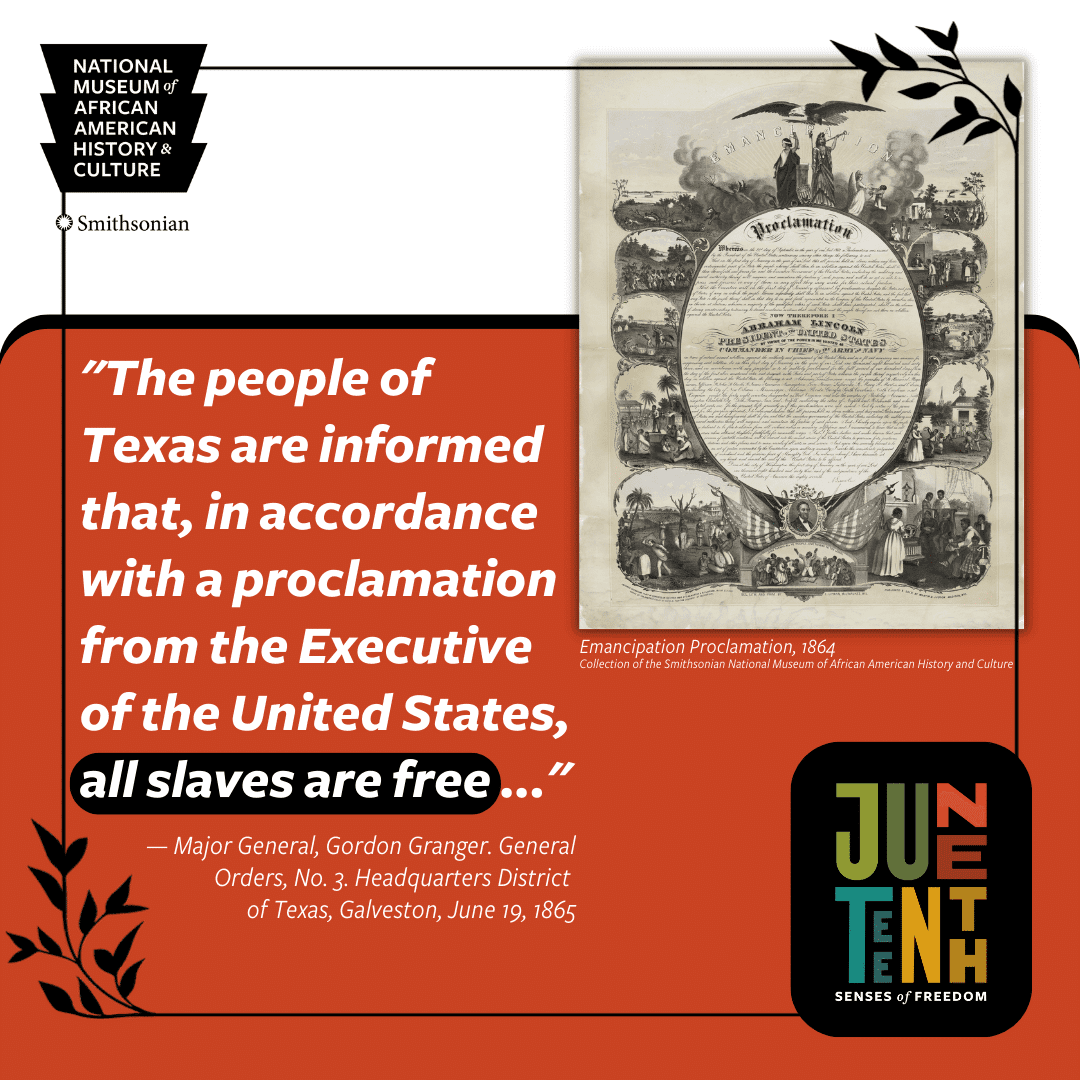
Juneteenth, celebrated on June 19th, marks an important date in American history, commemorating the day in 1865 when the last enslaved African Americans in Galveston, Texas, were informed of their freedom, two years after the Emancipation Proclamation was signed. This day has evolved into a nationwide celebration of freedom, with its own unique customs and foods that reflect both the significance of the occasion and the cultural heritage of the African American community.
Food plays a central role in Juneteenth festivities, symbolizing both the struggle and the triumph associated with this date.

Red foods are particularly significant on Juneteenth, symbolizing the blood and resilience of enslaved ancestors. Items like Strawberry Preserves, Strawberry Ice Cream, and Cherry Cobbler are popular recipes for their taste and symbolic meanings. These foods are a nod to the sacrifices that were made for freedom and a reminder of the strength and perseverance of those who fought for equality.
Barbecue is a staple at these celebrations for its delicious flavors and historical connections to gatherings among African American communities during the post-emancipation era. The act of barbecuing, which involves slow-cooking meat over an open flame, is a communal and celebratory practice that allows people to come together to share stories and honor their ancestors.
Additionally, dishes like collard greens and black-eyed peas are commonly served during Juneteenth. These foods are rooted in African American culinary traditions and are thought to bring good luck and prosperity. Collard greens are associated with wealth, while black-eyed peas are considered a symbol of good fortune, reflecting hopes for a prosperous future without oppression.
Based on time-honored recipes updated for today’s palate, NMAAHC Curator Joanne Hyppolite and Sweet Home Executive Chef Ramin Coles discuss how at-home audiences can design and cook a delicious Juneteenth Day menu for family and friends.
National Museum of African American History and Culture
Cherry Cobbler – 2:41
Red Beans and Rice – 10:51
Cherry Cola BBQ sauce – 17:03
Stewed Okra w/ Tomatoes and Corn – 24:00
BBQ Chicken – 29:14
As Juneteenth continues to be recognized across the United States, it serves as a day of reflection, celebration, and an ongoing fight for equality. The foods served are not only a feast for the palate but also carry deep significance, honoring the past and looking forward to a future of freedom and equality for all.