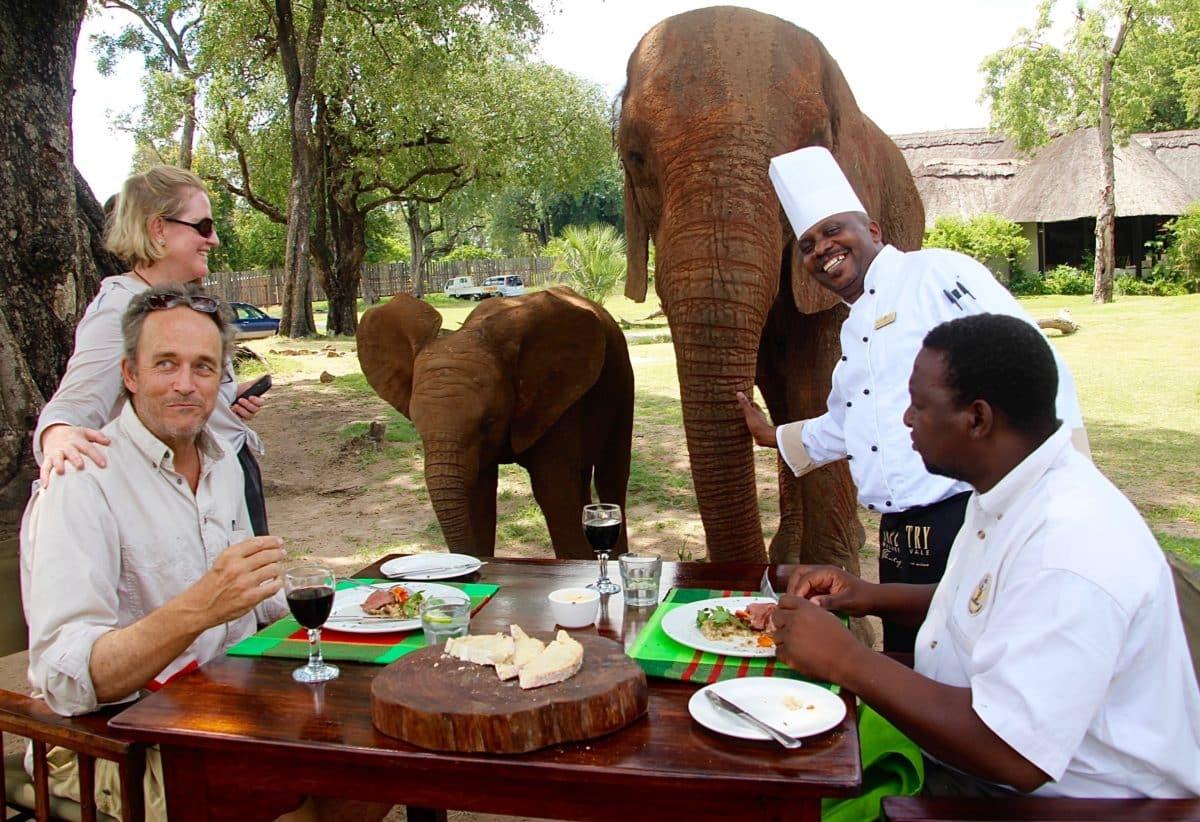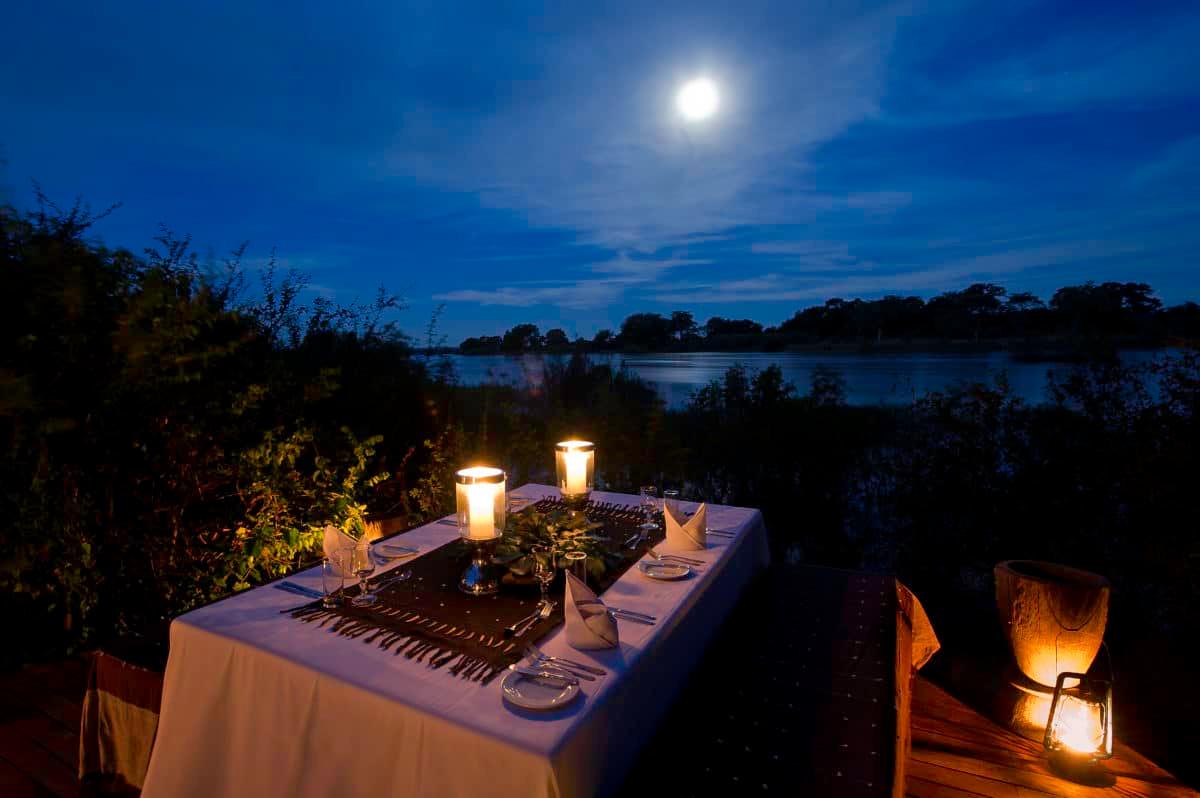

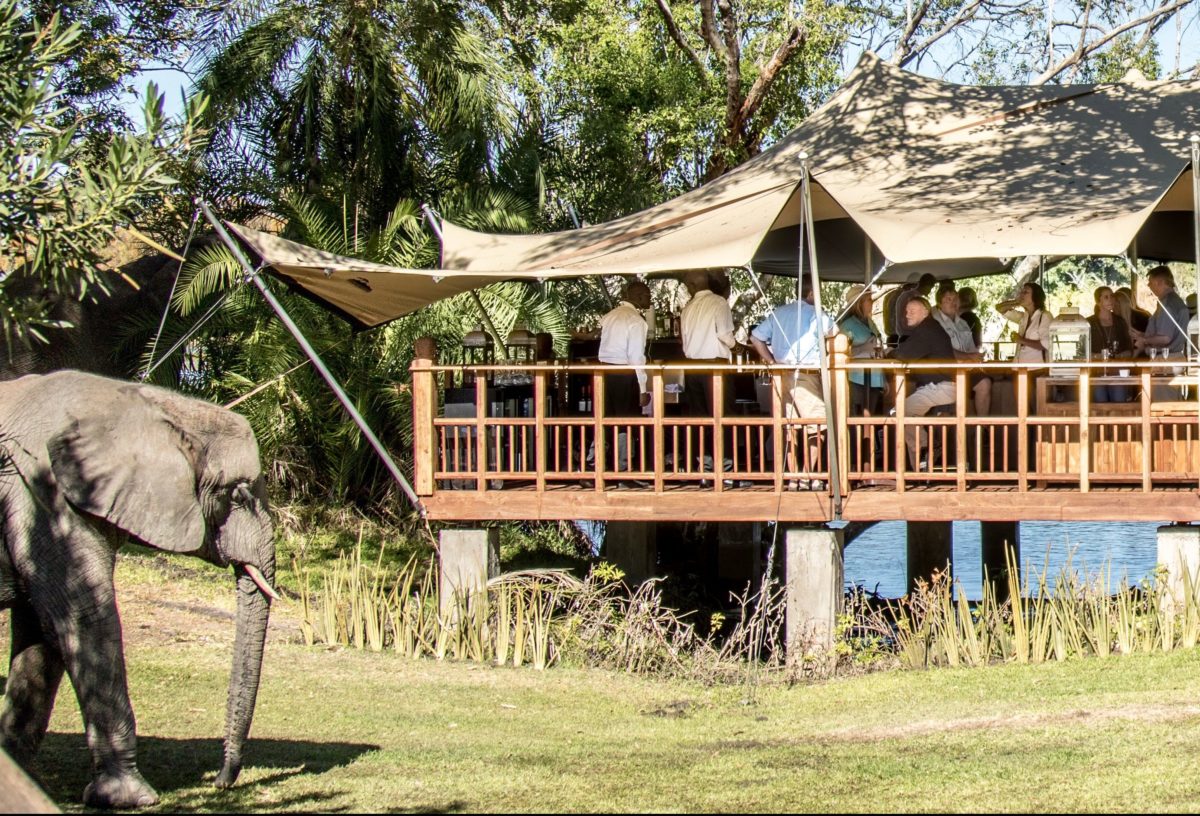
Four months ago I moved out of my cramped open-air bush kitchen to launch The Elephant Café, a restaurant built on a wooden deck in the Zambezi River, set among a resident herd of rescued elephants in Livingstone, Zambia.
Designed and built by the Explorer Club Africa, The Elephant Café sits twenty-four guests under a Bedouin tent, positioned beneath ancient riverine trees alive with native birds and vervet monkeys. Guests have the option of arriving by jet boat — a thrilling thirty-minute ride upriver from Victoria Falls, providing the opportunity to see hippos, crocodiles, giraffe and zebra — or they can travel by vehicle through the scenic Mosi-oa-Tunya National Park inhabited by wild elephants, rhinos, antelope, baboons, and other bush wildlife.
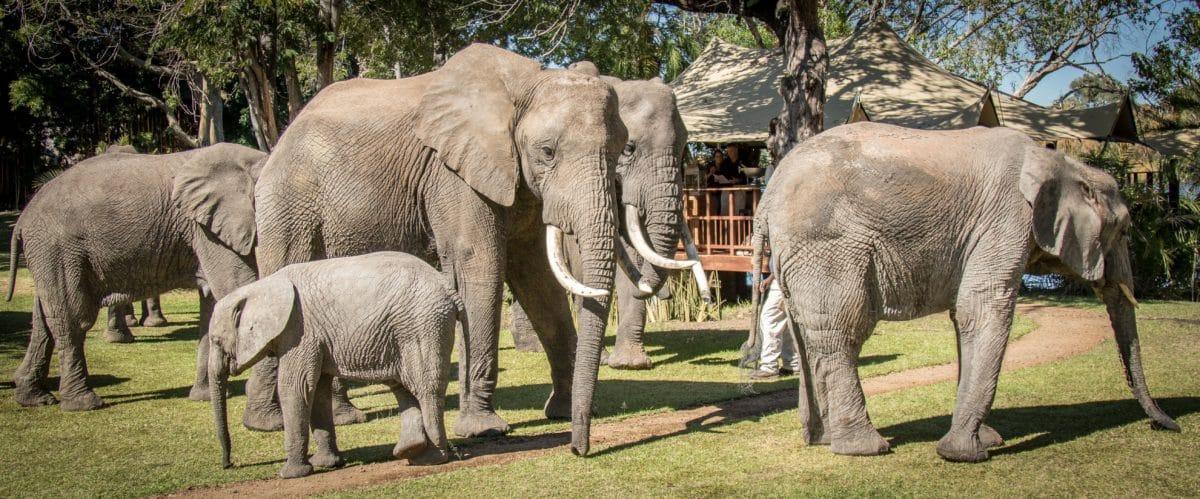
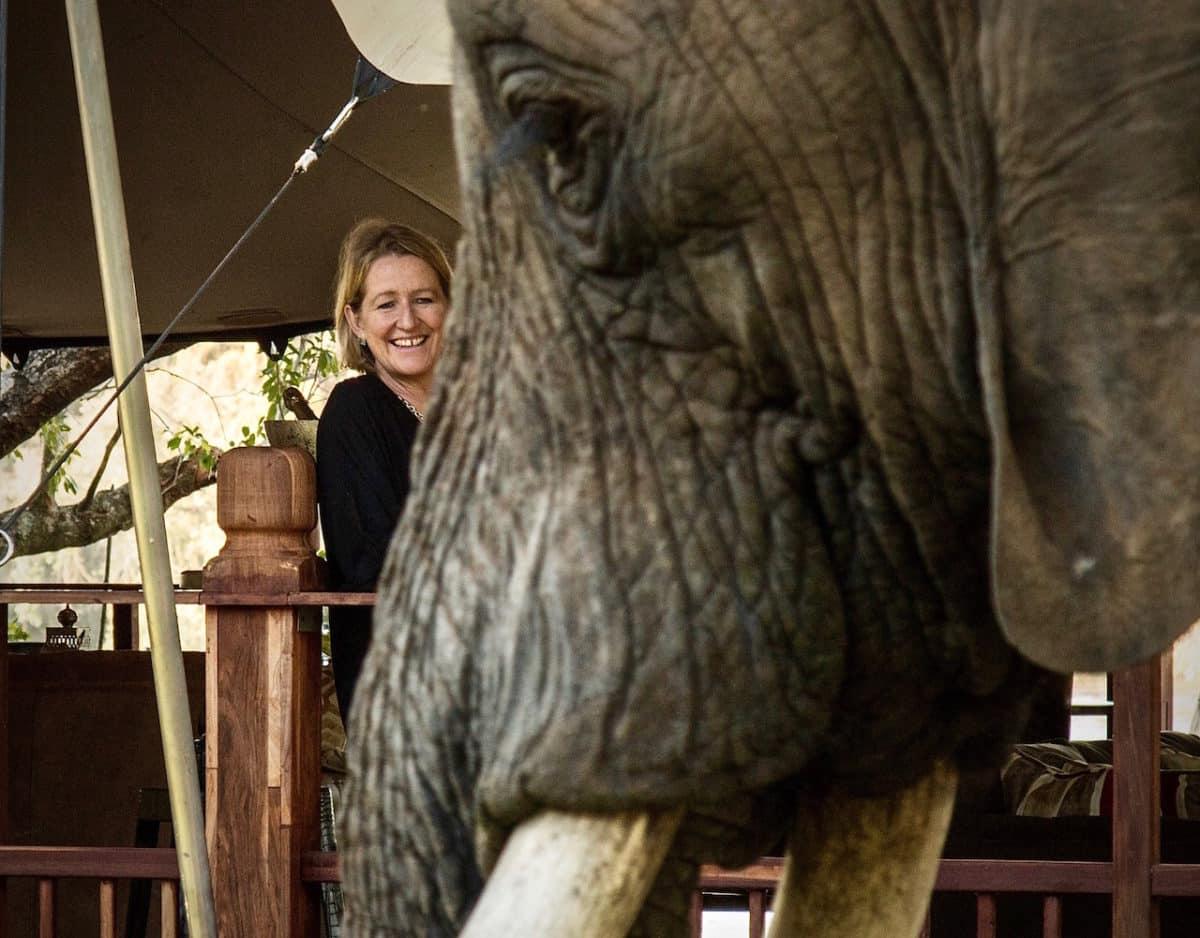
On arrival, guests are welcomed to the Café by the resident elephant herd and their handlers. Comprising ten elephants of varying ages, each with their own story — some were rescued from drought or were orphaned babies, others were assimilated from the wild or were born into the herd — all have grown up with safe human support using the “positive reinforcement method.” The introduction to the elephants is a special experience. To be around the elephants in close vicinity, discerning the rumble of their songs from deep within them, sensing their wildness and enormity, touches something primal and very old within.
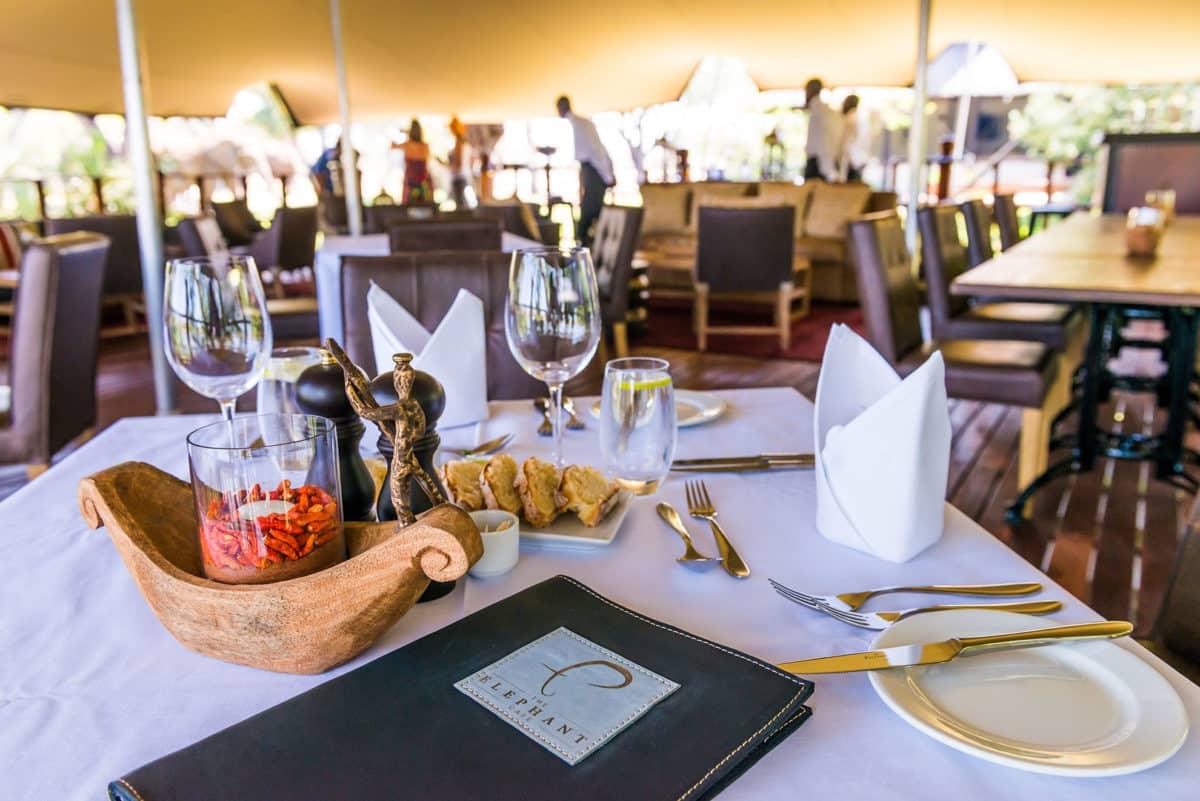
Following the elephant interaction, guests are escorted to the Café’s well-appointed deck. It’s at this stage that my team of three chefs and four servers and I move in.
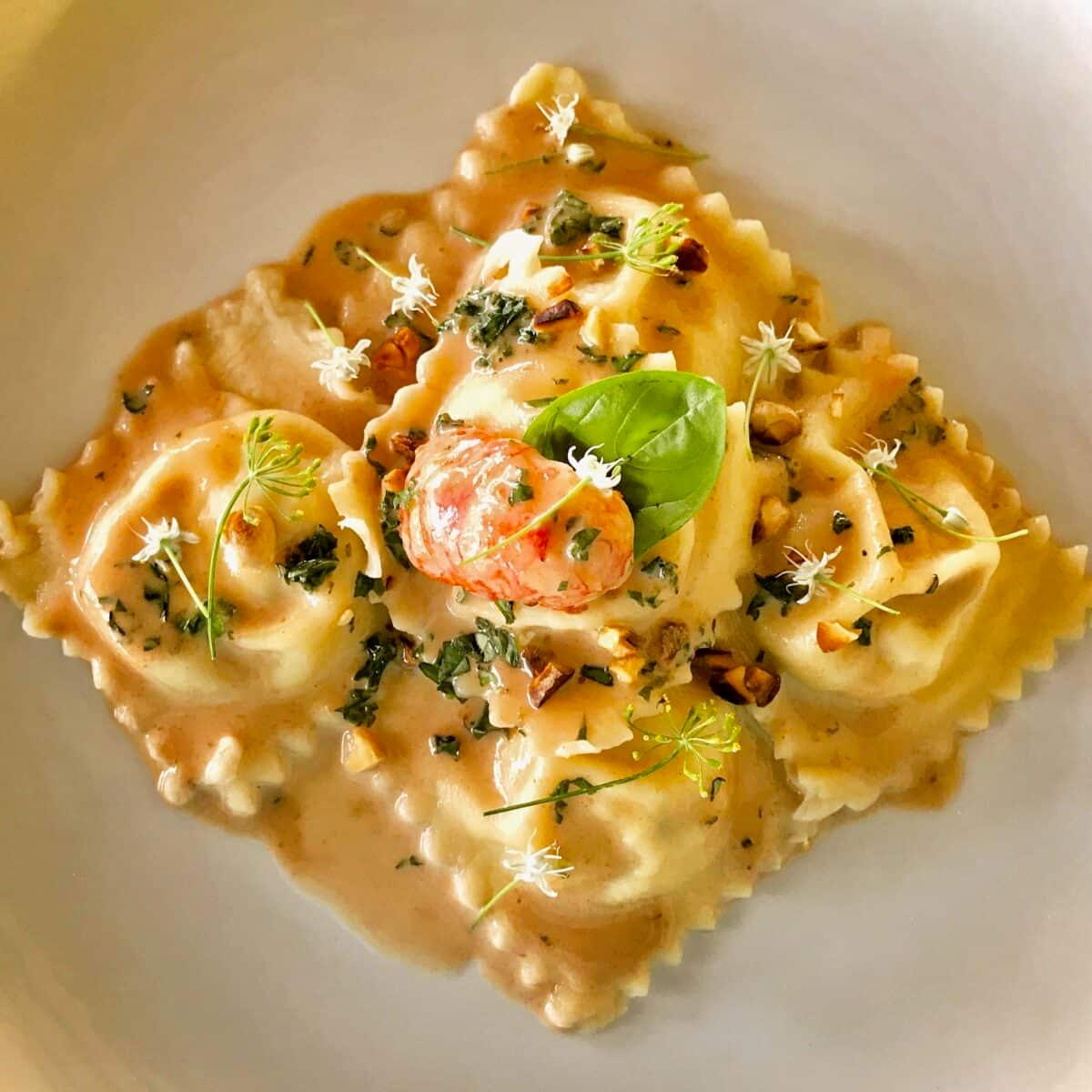
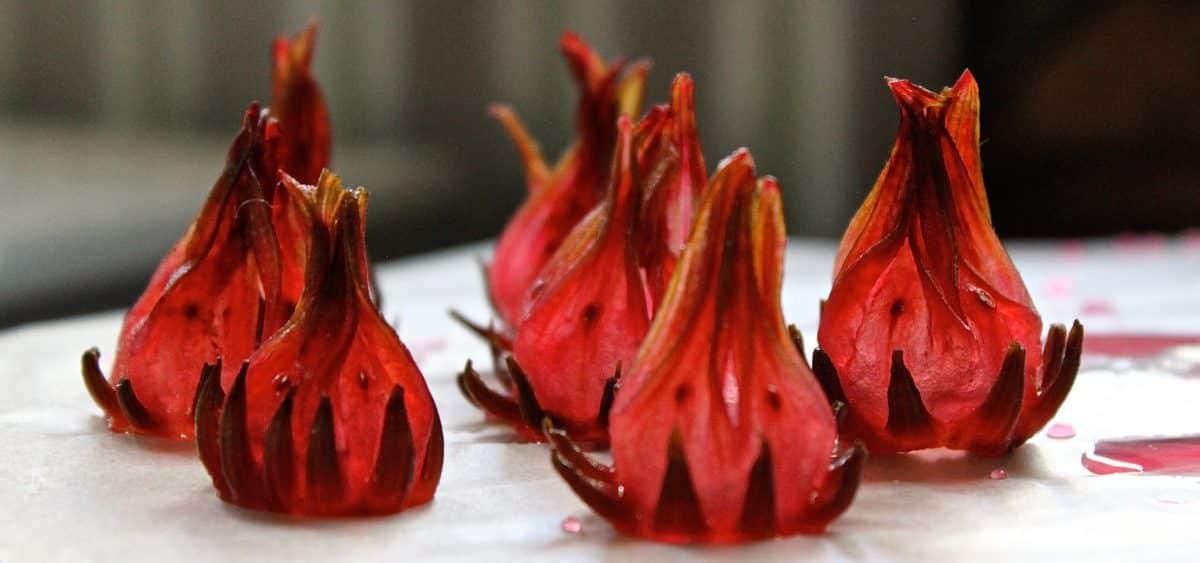
Before sitting down to a three-course prix fixe menu, guests are offered a Wild Kir Royale, a champagne aperitif made with scarlet sindambi (wild hibiscus) syrup instead of cassis. Each dish on the menu is crafted with ingredients that are locally-produced or are indigenous to the Zambezi Valley. The fresh produce we use is grown in my organic vegetable garden or by small-scale farmers servicing our tourist industry. The wild edibles are bought in Livingstone’s native markets, or are foraged from the bush surrounding our farm. It is my hope that by promoting these diverse and previously unexplored natural resources, our impoverished riverside communities will see economic growth.
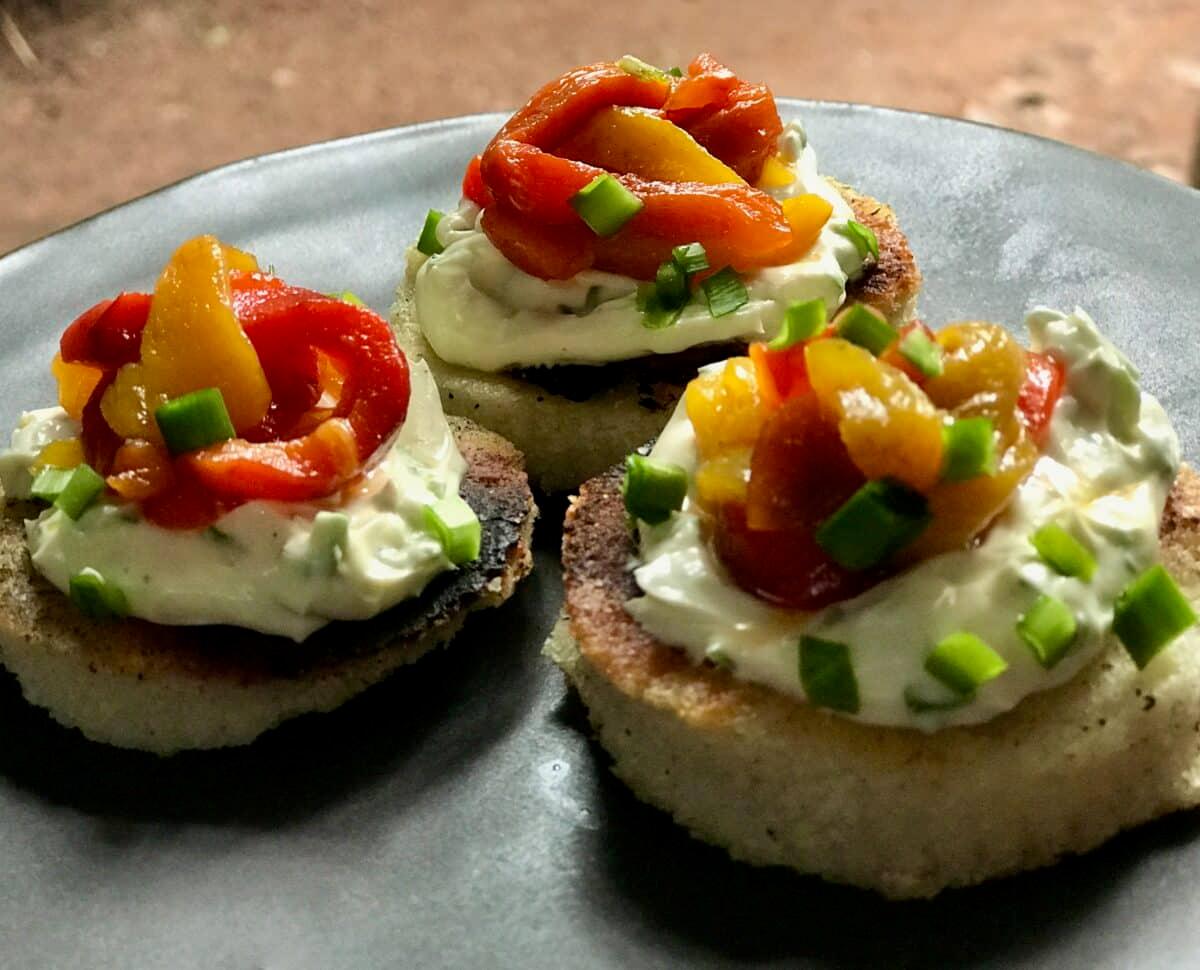
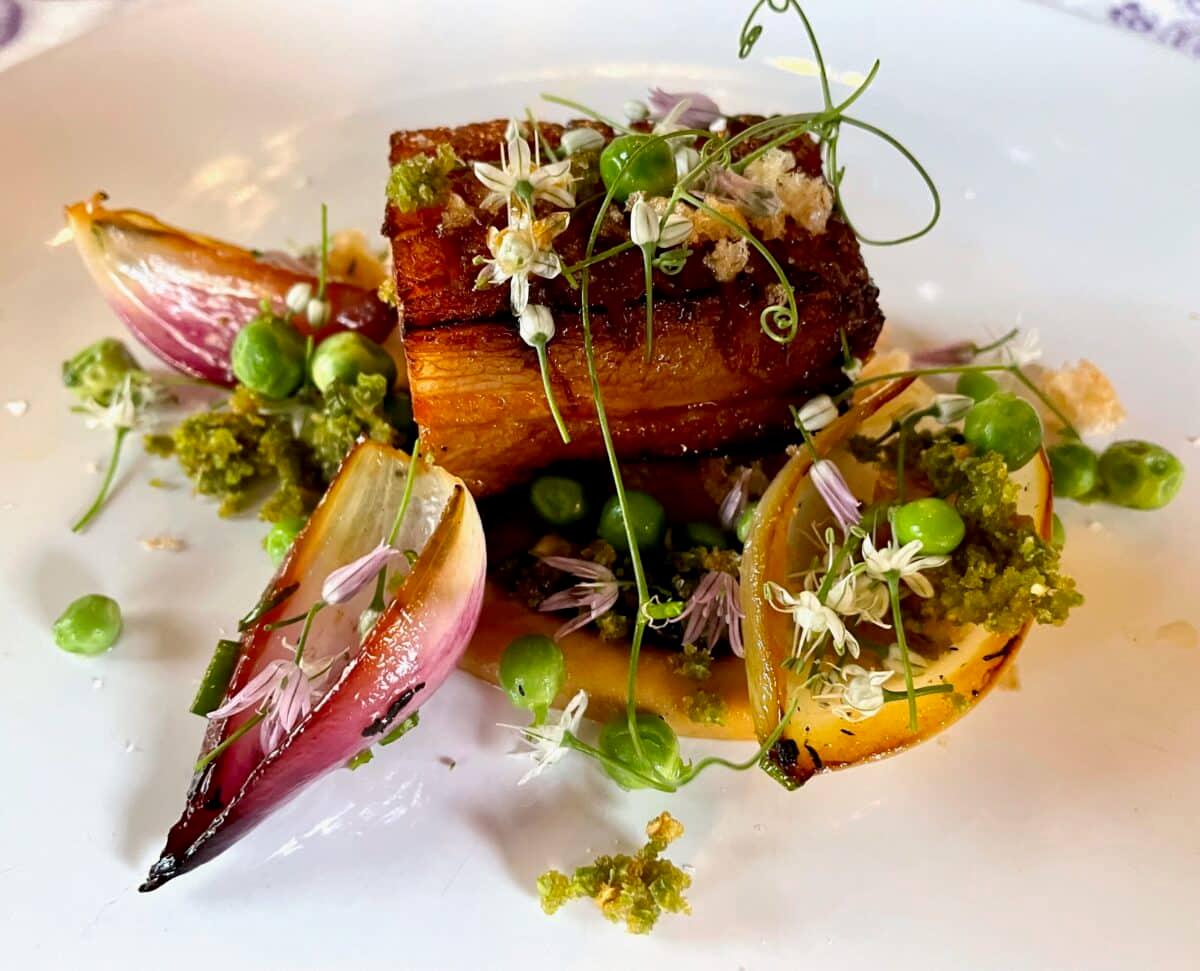
I develop all the recipes myself, and our menus showcase the freshest food available at any given time. The recipes are inspired by European, Asian and Middle Eastern cuisines, especially Israeli chef Yotam Ottolenghi and his team’s creative use of flavors, textures and colors.
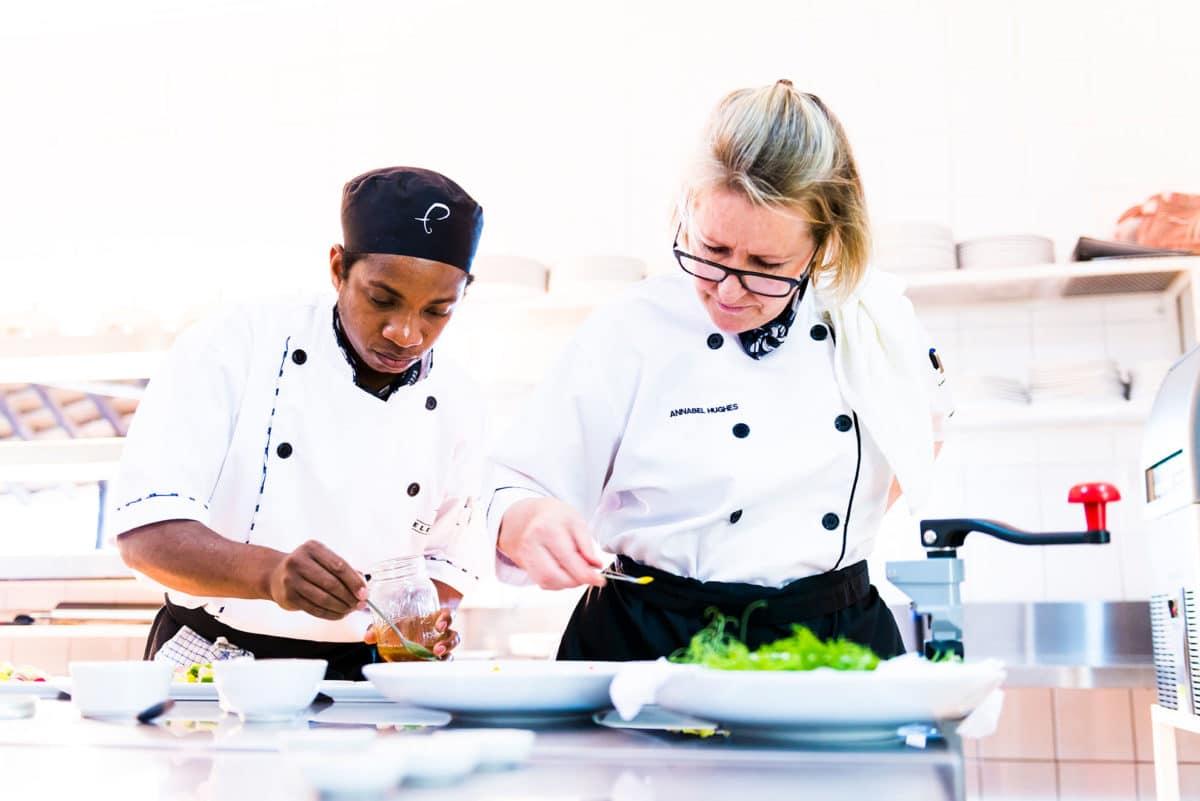
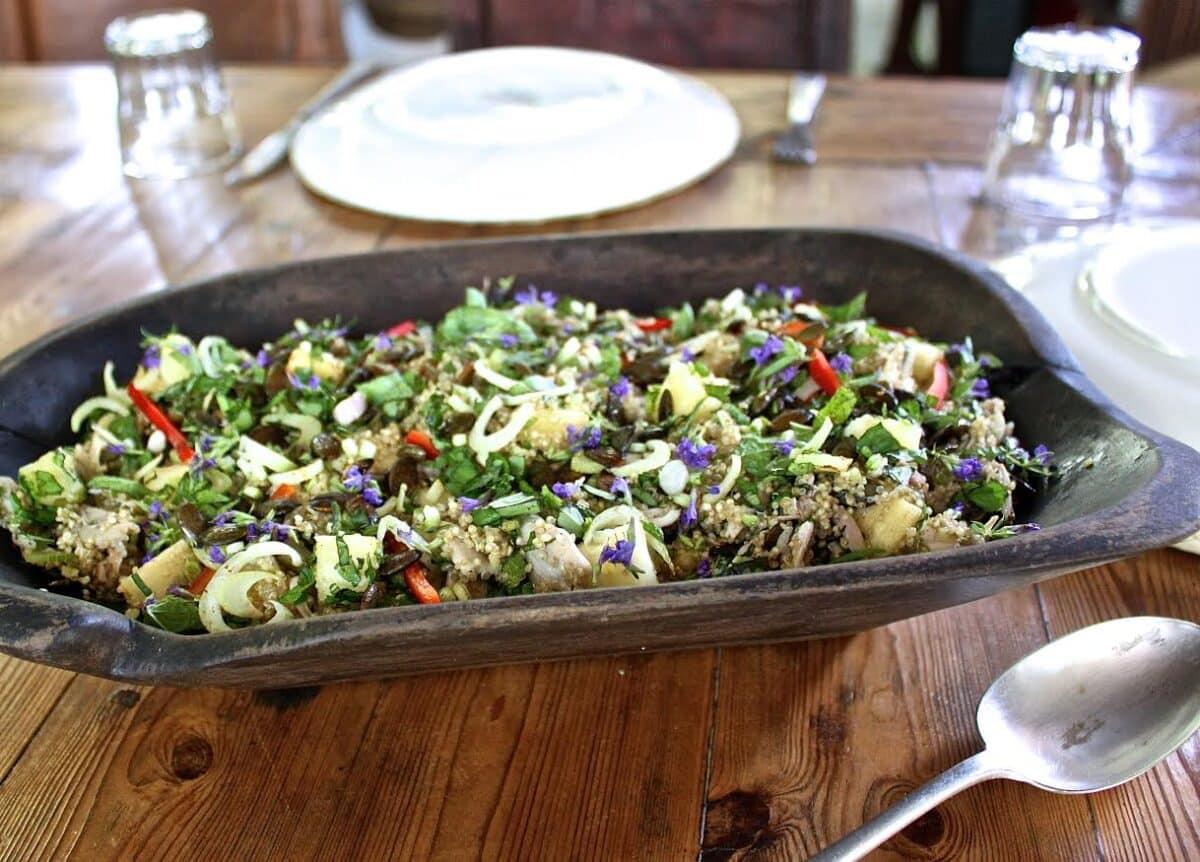
I’m assisted by my senior chef, Adelina Banda, who has taught me much about Zambian food. Our day begins in the vegetable garden picking the ingredients for the day’s dishes, as well as a selection of edible flowers, leaves, and shoots for plating. We are fortunate to be able to grow a large selection of produce most of the year round — ,mixed greens, herbs, squash, tomatoes, onions, aubergines (eggplant), peppers, brassicas, peas, carrots, beets, edible flowers, citrus, mangoes, pineapples, bananas, strawberries — and supplement these with wild nuts, fruits, seeds, and fungi. What is noticeably absent from our garden are apples and stone fruit. It’s just too hot to grow them here. That said, I’ve found wild alternatives to replace some of these flavors.
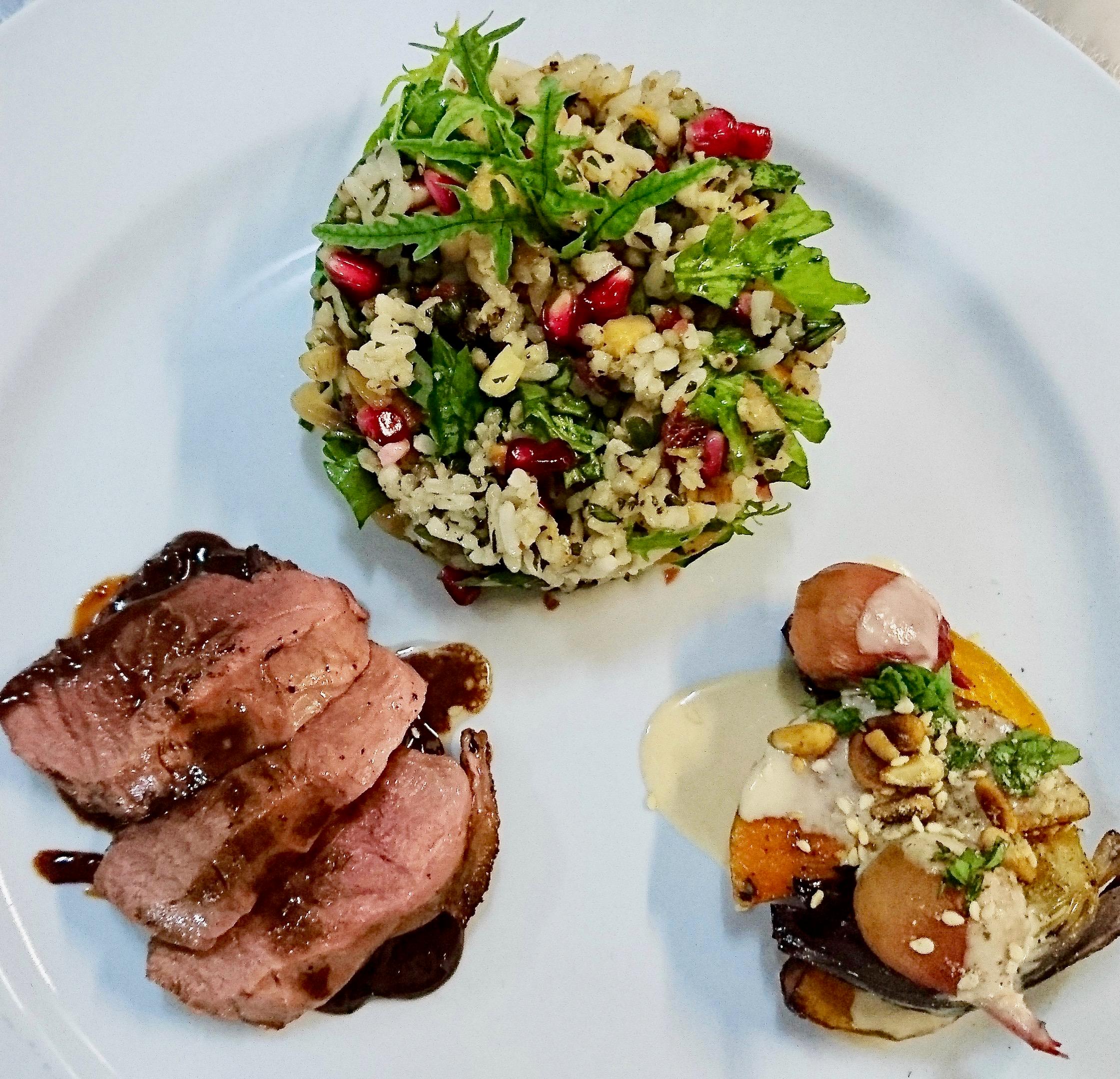
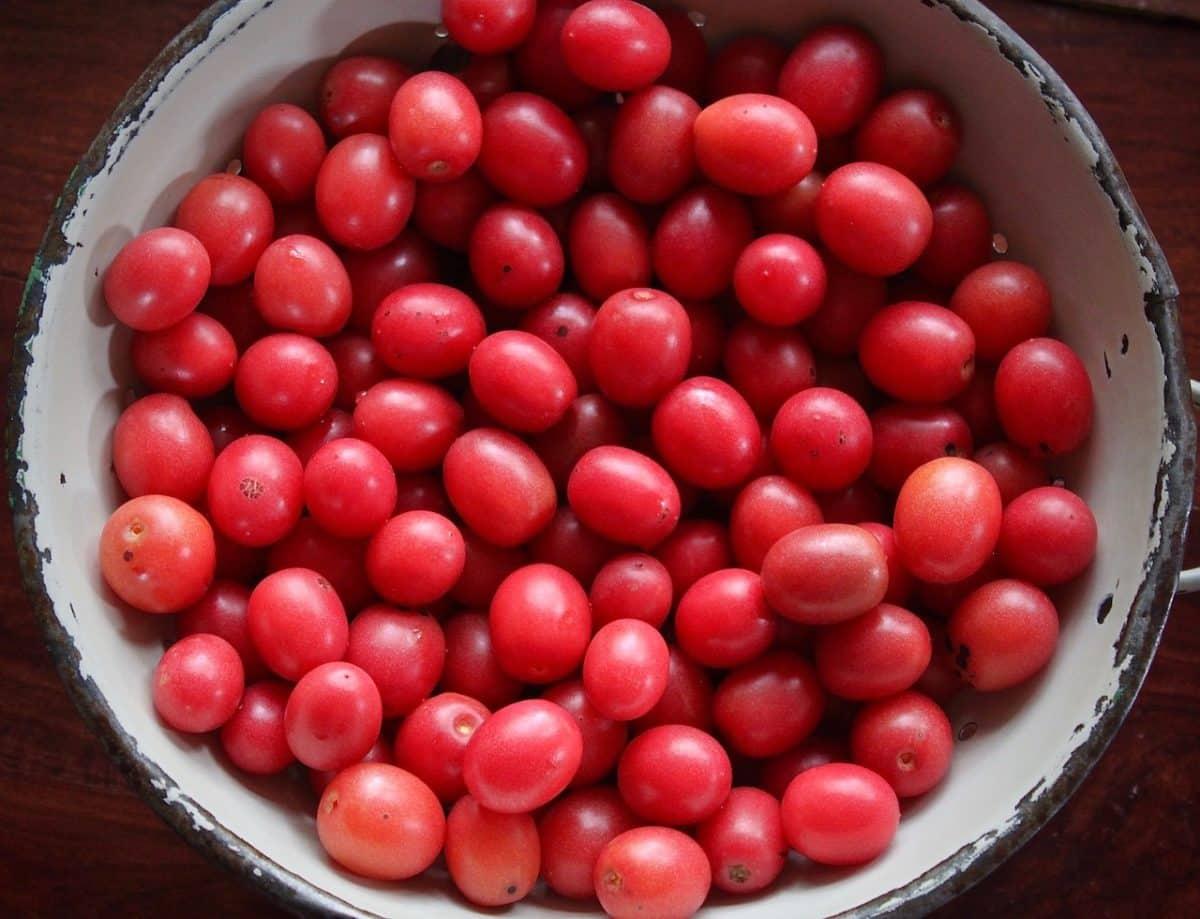
Every Zambian with whom I work, at the restaurant or on the farm, is aware of my enthusiasm in learning about indigenous ingredients I haven’t used before. Just the other day, a young kitchen assistant, whom I employed at the Café in his first job, brought me a handful of wild fruit from the market he’d paid for with his own money. “Here,” he said. “Try these. They are called masawa.” Raw, the grape-sized wild fruit hinted of apple; boiled down into a purée, masawa WAS apple. Since then I’ve showcased the fruit in one of my most popular recipes, Slow-Roasted Duck with Masawa, Ginger & Star Anise. I’ve used it in a roasted pepper soup, a gluten-free cheesecake, and it is a key ingredient in our wild fruit and nut ice cream.
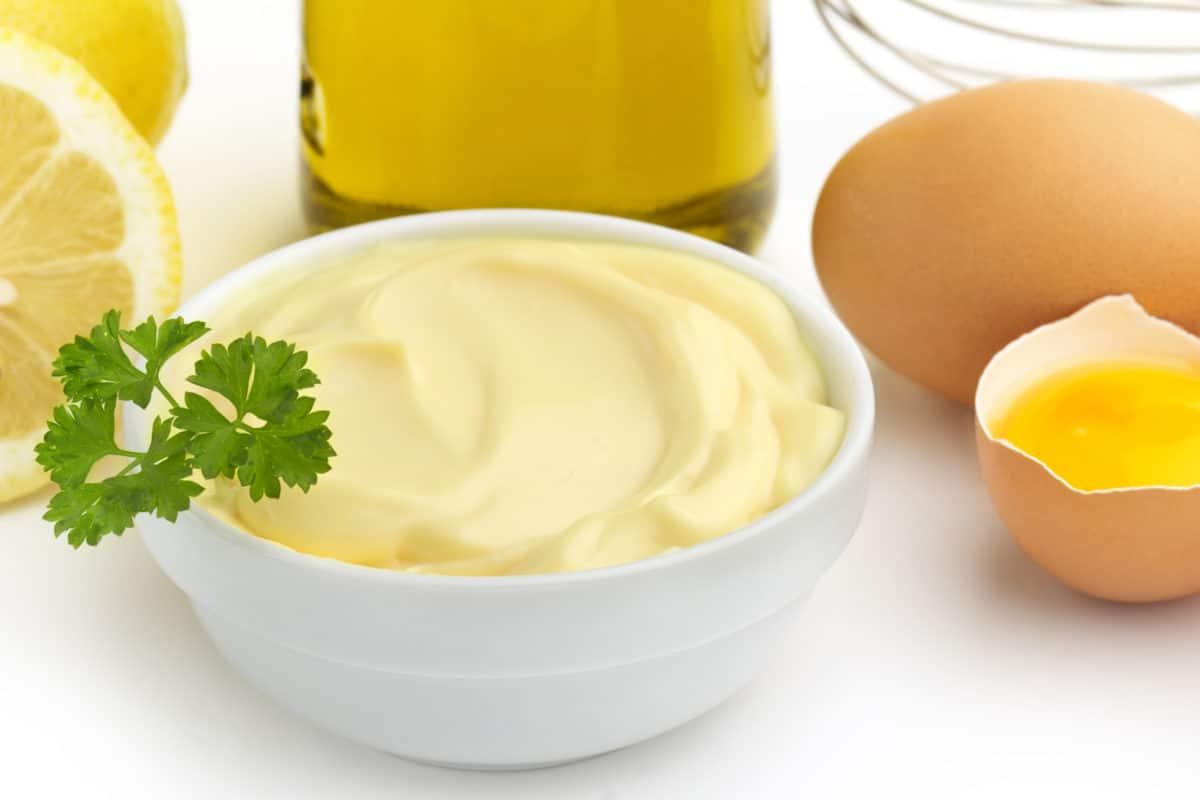
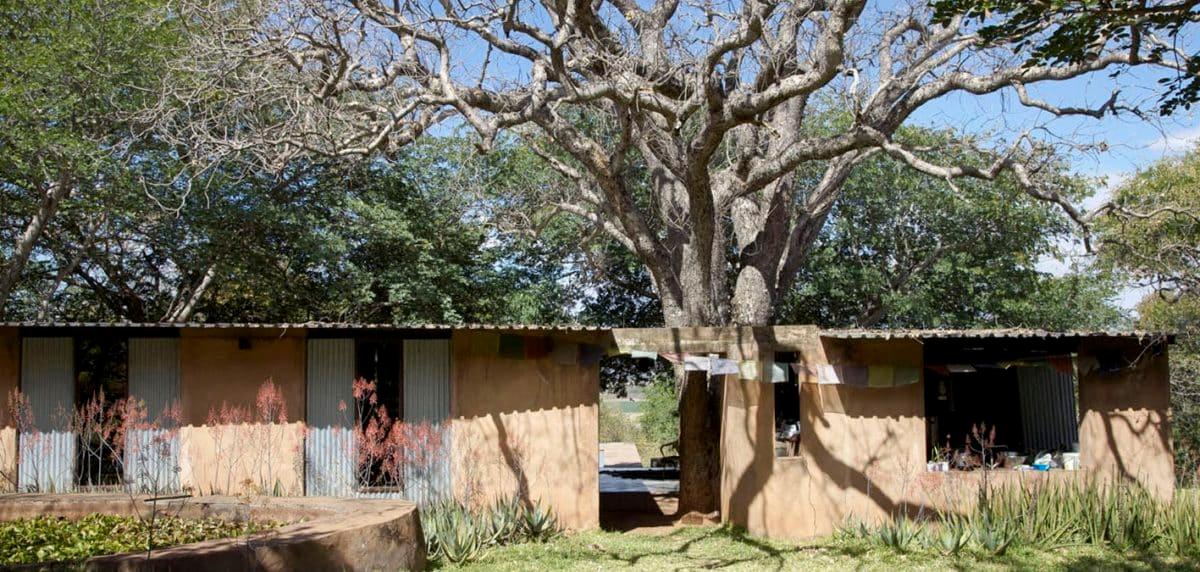
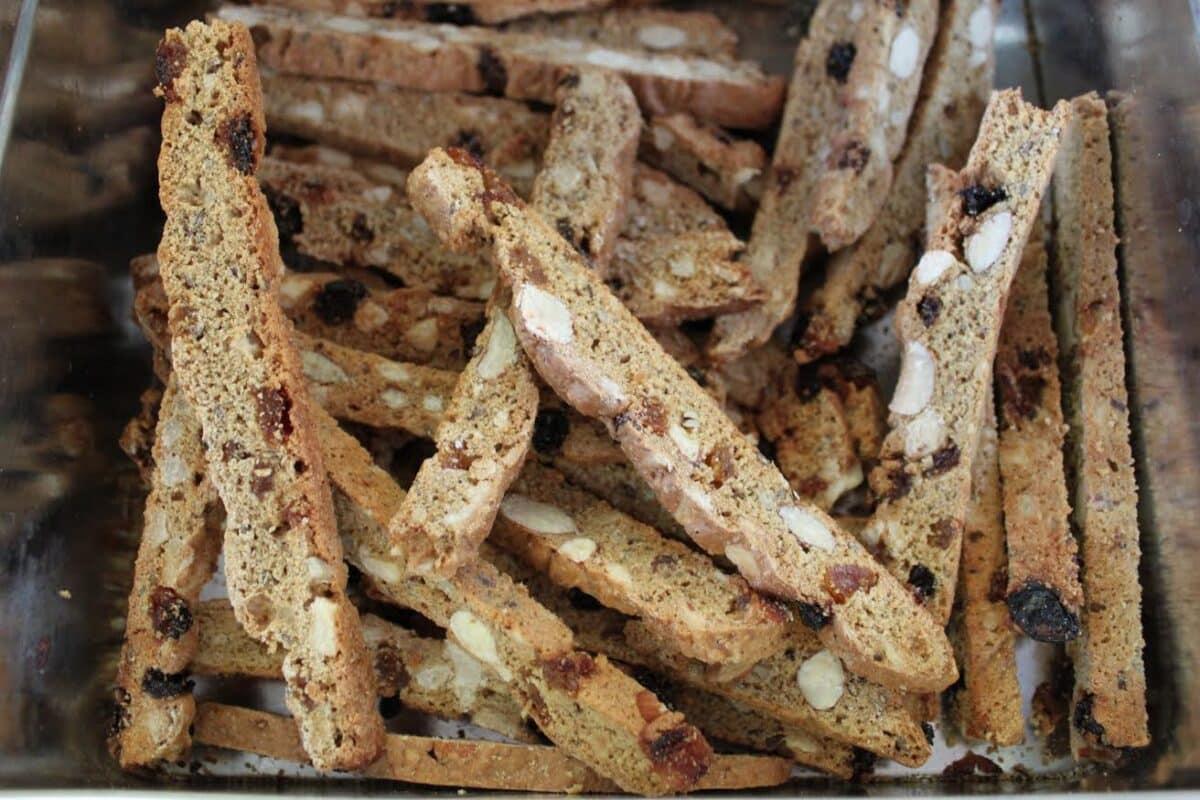
Many wild edibles grow in the bush just beyond our house. Our house is built around a massive mongongo tree, and in May each year it rains hundreds of nuts down on to our roof and floor. They are a highly nutritious annual gift from nature. We use these oily, soft nuts, similar in size to a hazelnut, in dishes ranging from biscotti, to tagines, to ice cream, to vegan mayonnaise.
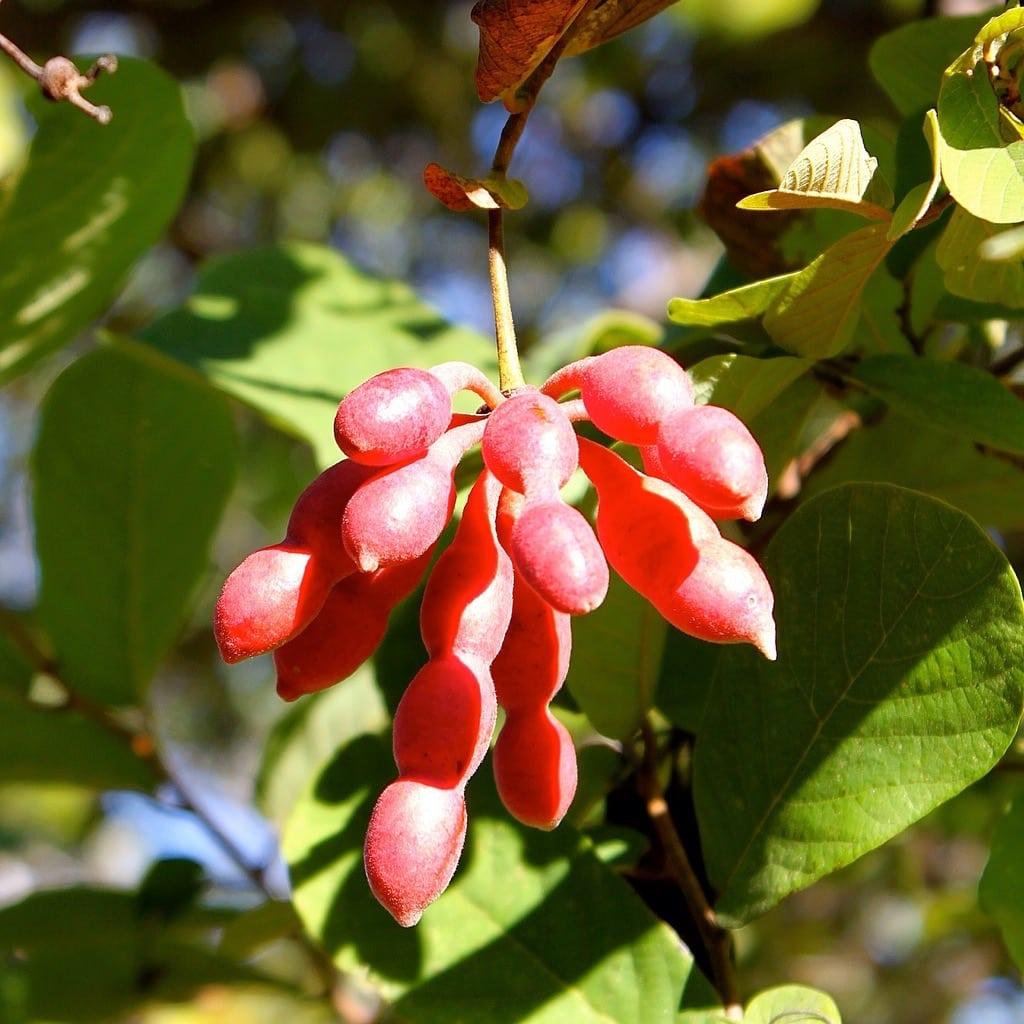
Not long after the mongongo nuts begin to fall from the trees, the muchingachinga fruit — colloquially known as “monkey fingers” because the bunches look like small hands — appear in the scrubby bush surrounding our garden. The blood-red fruit is sharp, almost peppery, and was once described by a visiting two-star Michelin chef as akin to licking a nine-volt battery. I use muchingachinga fruit in salad dressings, coulis, syrups and glazes. It’s versatile, interesting, and a gorgeous color.
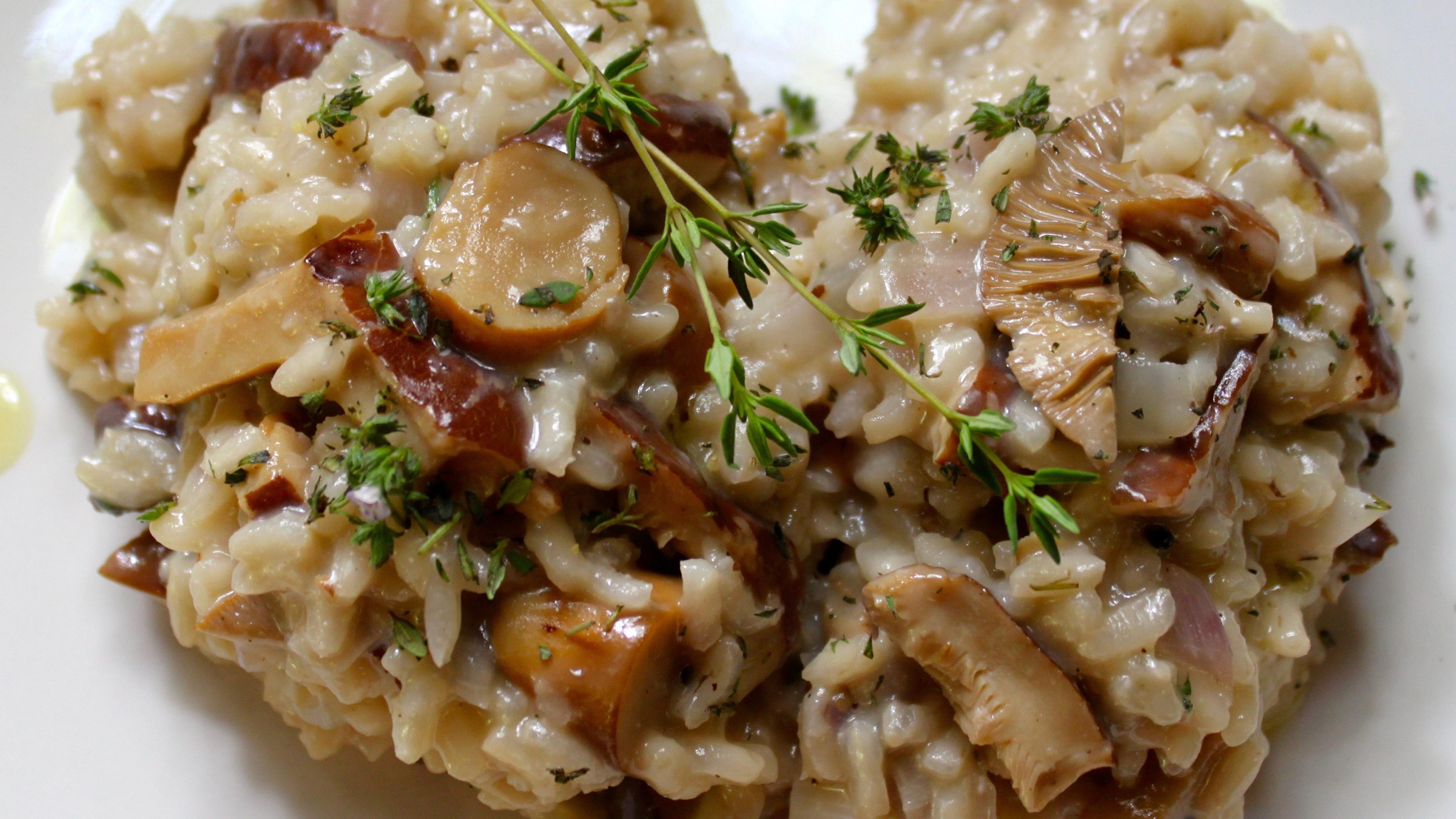
In the heavy rains of summer, from November to March, wild mushrooms begin to push their way through the soggy dead mulch left behind by the dry season. There are a number of edible mushrooms in Zambia, but here we eat chinyika, a russet and white meaty mushroom not unlike a shiitake in texture, as well as high-vis orange chanterelles called kapuipui, which are so delicate and so pretty it’s almost a shame to cook them.
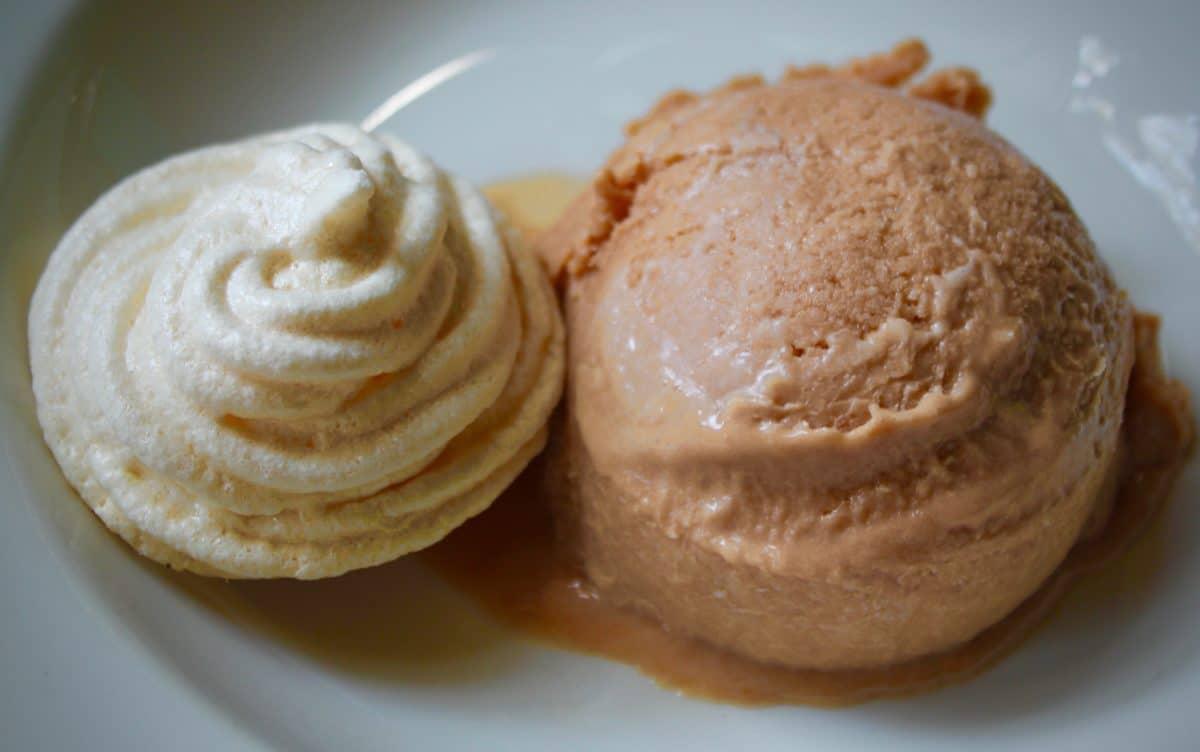
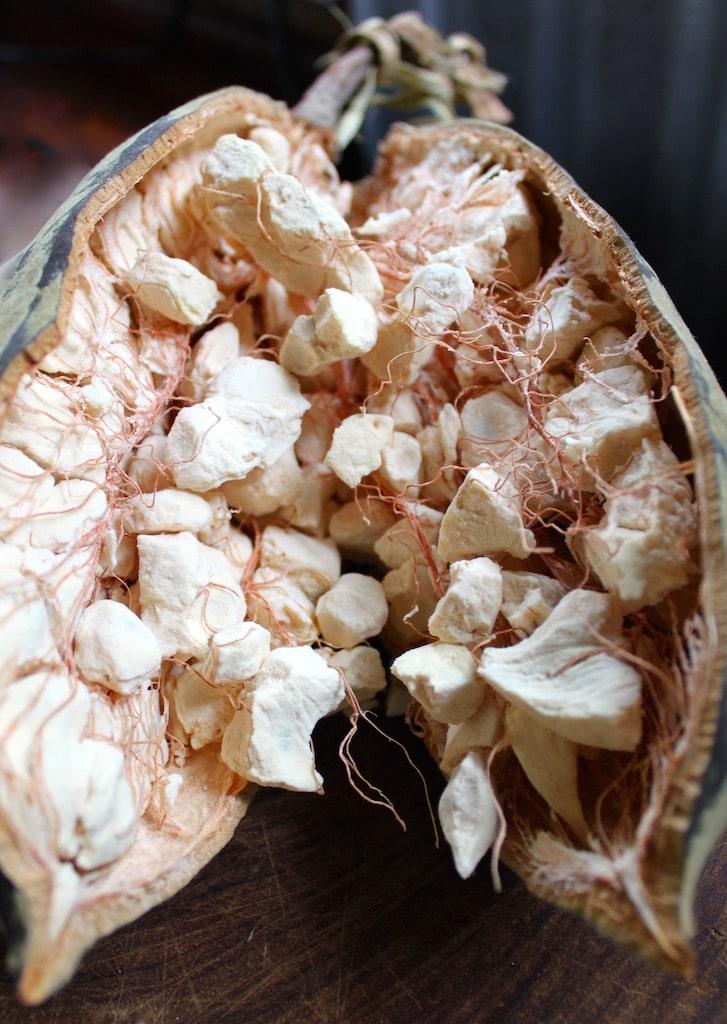
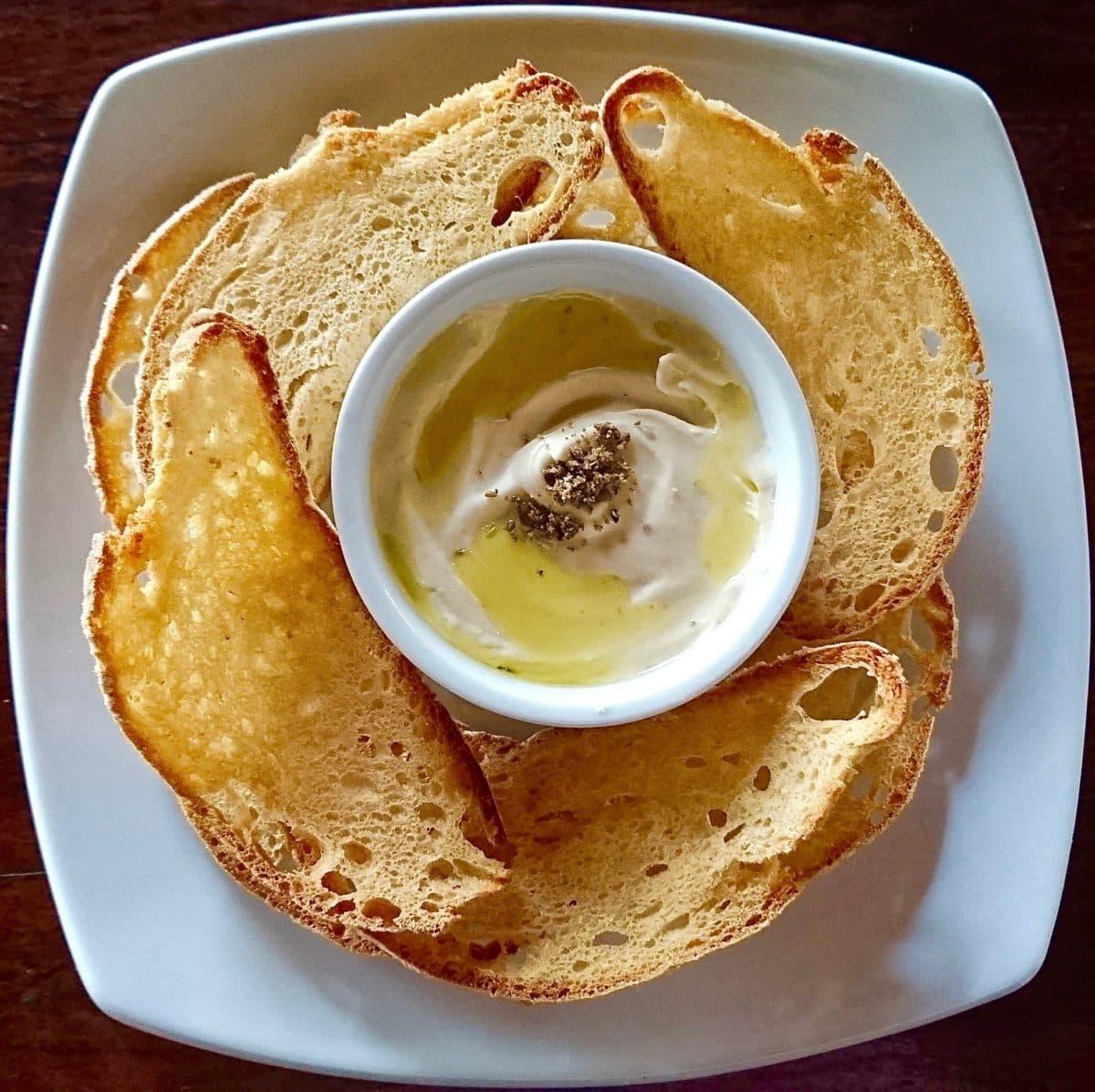
Many of the wild flavors we work with will never have been tasted outside of Africa. We have legumes called mbwiila, the indigenous equivalent of black eyed peas that make a killer hummus; nsumo fruit, which when dried resemble prunes, and are perfect in a boozy wild Christmas cake. We have sour, pale pink mubuyu, or baobab, powder that I use in place of sumac; the wild sourplum, or mungomba, fruit that transforms into a superlative burnt orange ice cream; and gluten-free nzembwe, a native millet, I use instead of quinoa.
The discovery of these wild foods, combined with my recipe development and testing, is creative and exhilarating. The fusing together of these ingredients with our organic garden produce has birthed what I refer to as “bush gourmet cuisine.”
And while we’re busy foraging and cooking, the elephants too are contributing to the uniqueness of our cuisine. We collect truckloads of the processed tons of food they eat in a day — much of which are the same wild edibles we use in our recipes — to add to our compost heaps that help fertilize the farm’s bananas and pineapples, as well as our vegetable garden. It’s a most rewarding synergy!
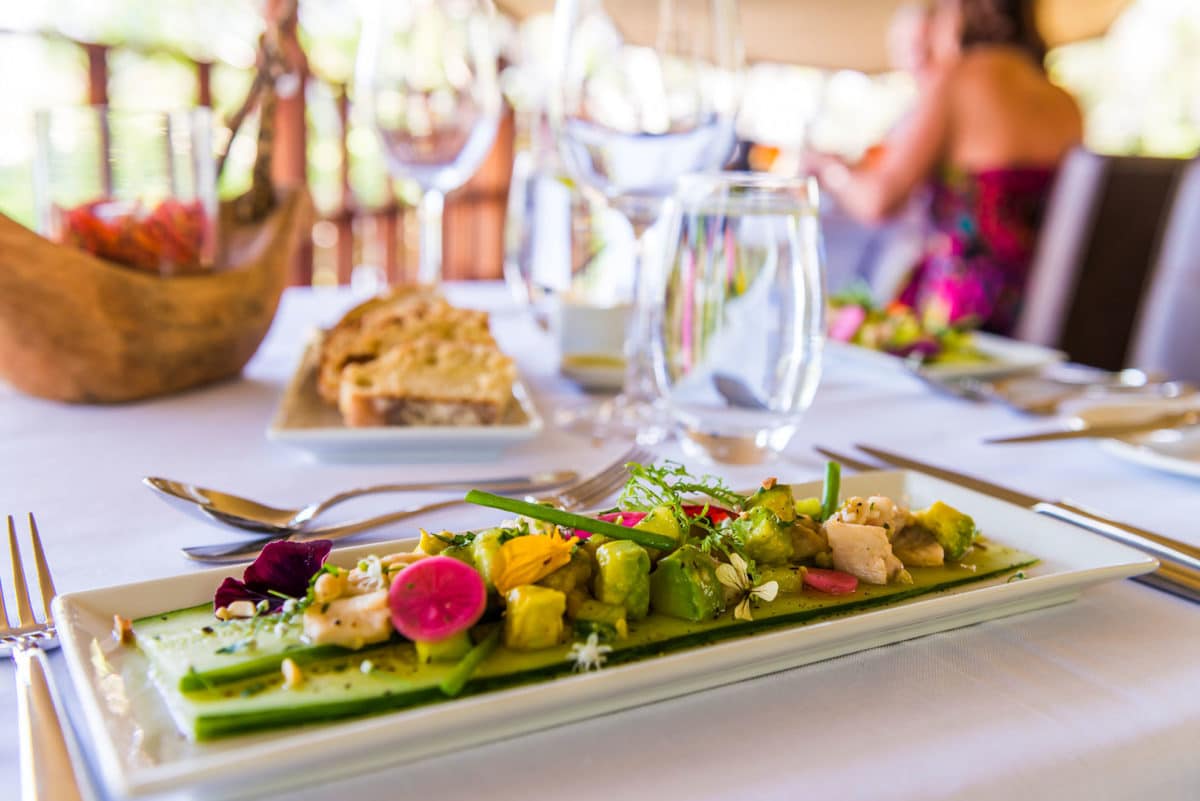
Thai-inspired Tilapia Ceviche with Sesame-Infused Lime, Cucumber, Avocado & Pickled Radish

Ingredients
For the tilapia ceviche:
- •6 fresh tilapia fillets, or a soft white fish of your choice (about 50 grams each)
- •1 stalk fresh lemongrass, white part only, thinly sliced
- •3 medium cloves garlic, minced
- •Juice and zest of 1 lime
- •45 ml (3 tablespoons) fish sauce
- •7.5 ml (1½ teaspoons) palm sugar
- •1 bird’s eye red chili, thinly sliced (with some seeds removed if too hot)
- •2 shallots, thinly sliced
For the sesame salad dressing:
- •1 garlic clove, minced
- •22.5 ml (1½ tablespoons) fish sauce, or to taste
- •10 ml (2 teaspoons) unseasoned rice vinegar
- •5 ml (1 teaspoon) runny honey
- •177 ml (¾ cup) olive oil
- •5 ml (1 teaspoon) toasted sesame oil
- •Freshly ground black pepper, to taste
For the salad:
- •1 medium lime
- •1 medium avocado, cut into small, neat cubes
- •1 English cucumber, finely sliced into 12 long pieces on a mandolin, and the remainder cut into small, neat cubes
- •237 ml (½ cup) peanuts, roasted and roughly chopped, for garnish
- •15 ml (1 tablespoon) fresh cilantro, roughly chopped, for garnish
- •Black and red pickled radishes, finely sliced, for garnish
- •4 edible flowers (viola petals, nasturtium flower petals, cilantro flowers), for garnish
- •2 small green onions, cut into 7.6 cm (3-inch) lengths, for garnish


Preparation
For the tilapia ceviche:
Fillet the tilapia and refrigerate while preparing the rest of the ingredients.Put the lemongrass, garlic, lime juice and zest, fish sauce, and palm sugar into a blender and puree until smooth.
Pour this mixture over the fish, with the chili and shallots, making sure all of it is well-covered. Let the mixture soak for at least 4 hours, or up to 24 hours, in the refrigerator.
For the sesame salad dressing:
Whisk all the salad dressing ingredients together until the oil is fully incorporated. Set aside.For the salad:
Top and tail the lime. Using a serrated knife, cut down the sides, following the natural curve, to remove the skin and pith. Over a small bowl, remove the segments by slicing between the membranes. Squeeze out any remaining juice over the segments and discard the rest. Soak the lime segments and juice in 3-4 tablespoons of the sesame salad dressing. Set aside.Just before serving, carefully mix the avocado and cucumber cubes in with the lime segments and dressing, making sure not to break up the avocado.
To plate:
Strain the tilapia ceviche, shallots and chili out of its marinade, and discard the marinade.Lay two slices of cucumber neatly on a serving plate. Carefully portion out the avocado and cucumber on to each plate, the length of the cucumber slices. Add the ceviche and spoon a little more of the Asian dressing over the top. Sprinkle the roasted peanuts and chopped cilantro over the salad, and finish garnishing each plate with pickled radish slices, edible flowers, and lengths of green onion.

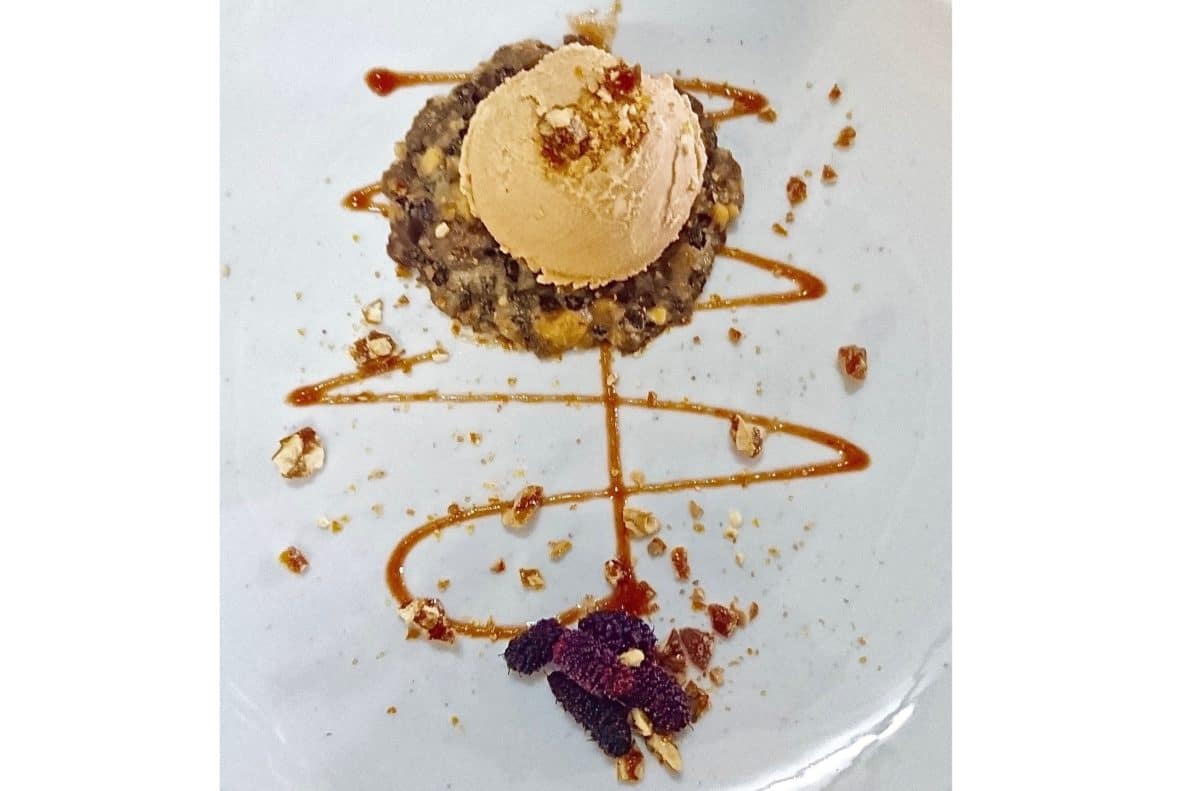
Mongongo Nut Florentines
Ingredients
- •Oil or nonstick spray, for greasing baking sheet
- •50 grams (½ cup) all-purpose flour
- •1.25 ml (¼ teaspoon) salt
- •150 grams (1 cup) raisins
- •200 grams (1½ cups) mongongo nuts (or flaked almonds or other nuts), roughly chopped
- •120 grams (4 ounces) butter
- •160 grams (¾ cup) caster (superfine) sugar
- •50 ml (¼ cup) cream
- •150 grams (5.3 ounces) dark chocolate
Preparation
Preheat the oven to 180° C (350° F), and lightly grease a baking sheet or nonstick baking liner.
Sieve the flour and salt into a large bowl, and then mix in the raisins and nuts.
Melt the butter and sugar in a heavy-based saucepan over a low heat until the sugar has dissolved completely.
Remove from the heat and stir in the cream. Add to the flour mixture and combine well. (It will resemble a sticky dough.)
Scoop out the mixture, a teaspoon at a time, onto the baking sheet, pressing it down into an oval as flat as you can. Be sure to leave ample space between each one because the mixture spreads while cooking.
Bake in the middle of the preheated oven, about 12-15 minutes. (Keep a close eye on them; they burn easily.)
Remove and cool, quickly reshaping the cookies into circles if they have spread awkwardly. Transfer to a cooling rack, and repeat the process until you have used up all the mixture.
Melt the dark chocolate in a heatproof bowl over simmering water, making sure it isn’t in any way submerged. Stir occasionally while it is melting. Remove from the heat after it has melted and cool until the chocolate has thickened a little. Very gently paint the bottom of the Florentine with the chocolate. Allow to cool and set. Store in an airtight container in a cool place.