


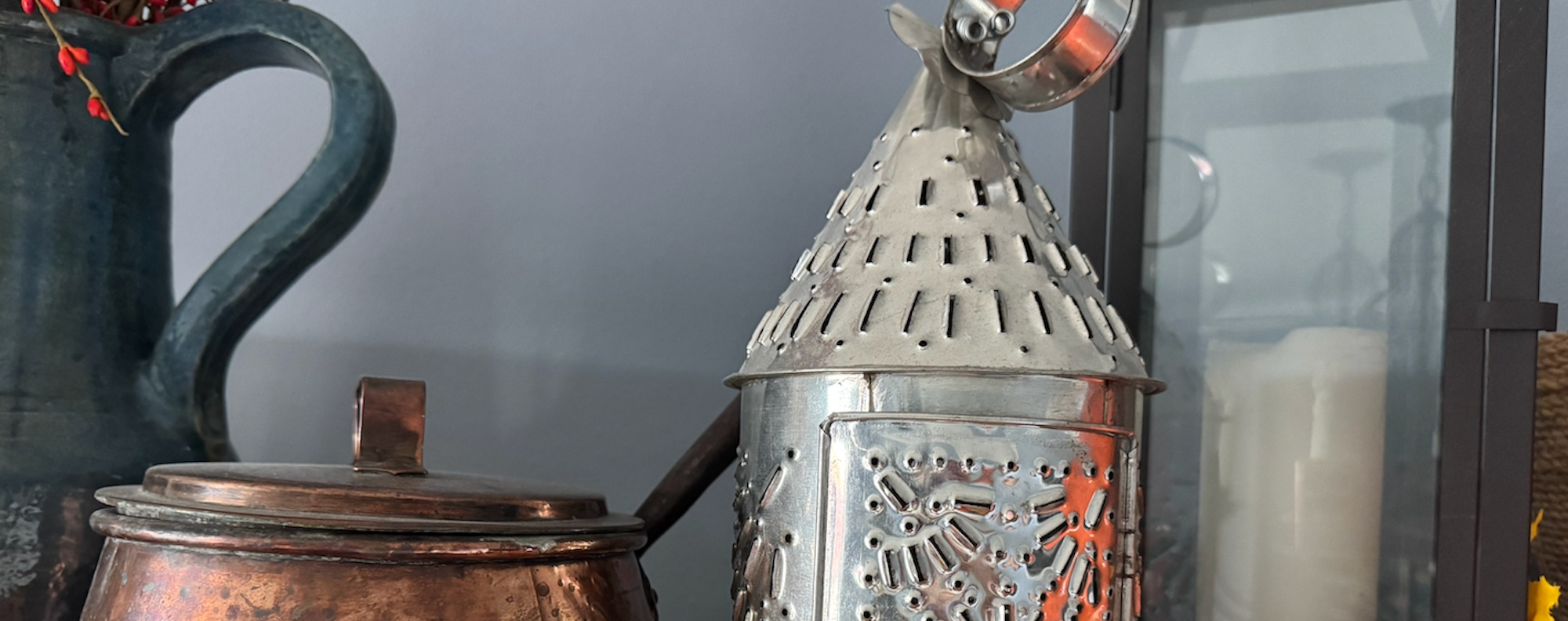
Though most of my work is in copper, I sometimes work in tinplate. Traditional tinplate was made from sheets of steel, which were dipped in thin vats of molten tin and cut specifically to rectangles of 14” x 10”. After cooling, the newly tinned steel plate would be ‘polished’ by the hired girls with flour.
(I don’t know why it was girls. The history books just specifically say girls did this job. Maybe they were just better at making things shine than rambunctious boy apprentices?)
Hot dip tin was never the same, sheet by sheet. It would have wavy lines or be a little yellowed if the tin had become too hot during the dipping process. It wasn’t as shiny as it is today, with our fine electroplating that leaves the sheets large and pristine.
But for a few hundred years, tin plate was the metal of choice for making lighting.
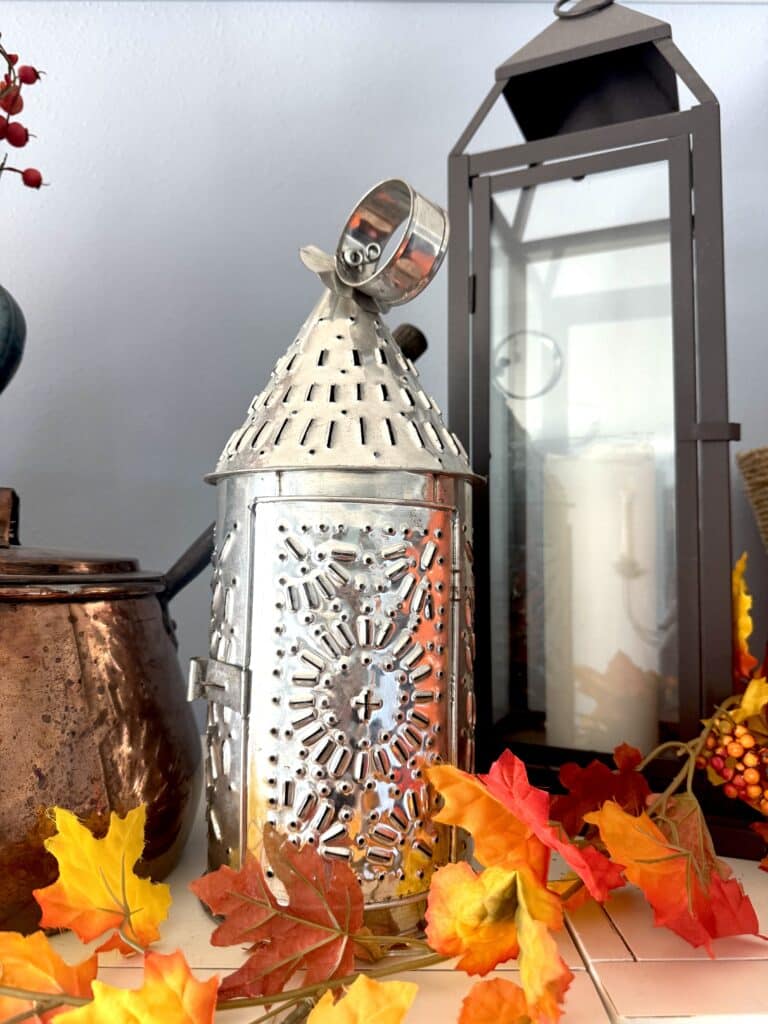
That’s right. No crystal chandeliers, no wrought iron lights swinging from the ceiling. Tin plate made the lights by which to cook, by which to read, and how to see in the barn when milking cows. Tin plate was the go-to because it was relatively inexpensive and the tinsmiths (and coppersmiths) could easily bend it, too. Tin was used to make lanterns for the home, the barn and even the ships. Chandeliers were made from tin, as were little pocket lanterns and wall sconces for candles.
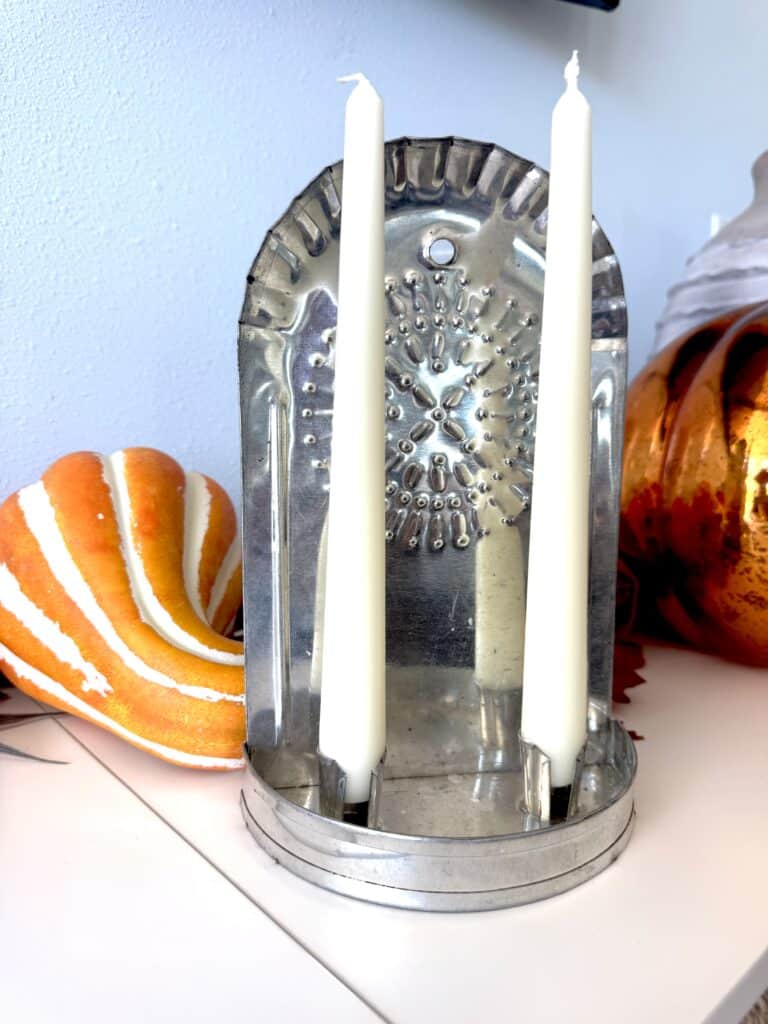
To this day, we have several authenticated patterns for lanterns from the 1700s and 1800s. We know the type of lantern Paul Revere would have used and can replicate it. We can rebuild intricate punched barn lanterns, which were used to help with farm chores in the dark with less risk of certain designs starting a fire if a cow kicked them over.
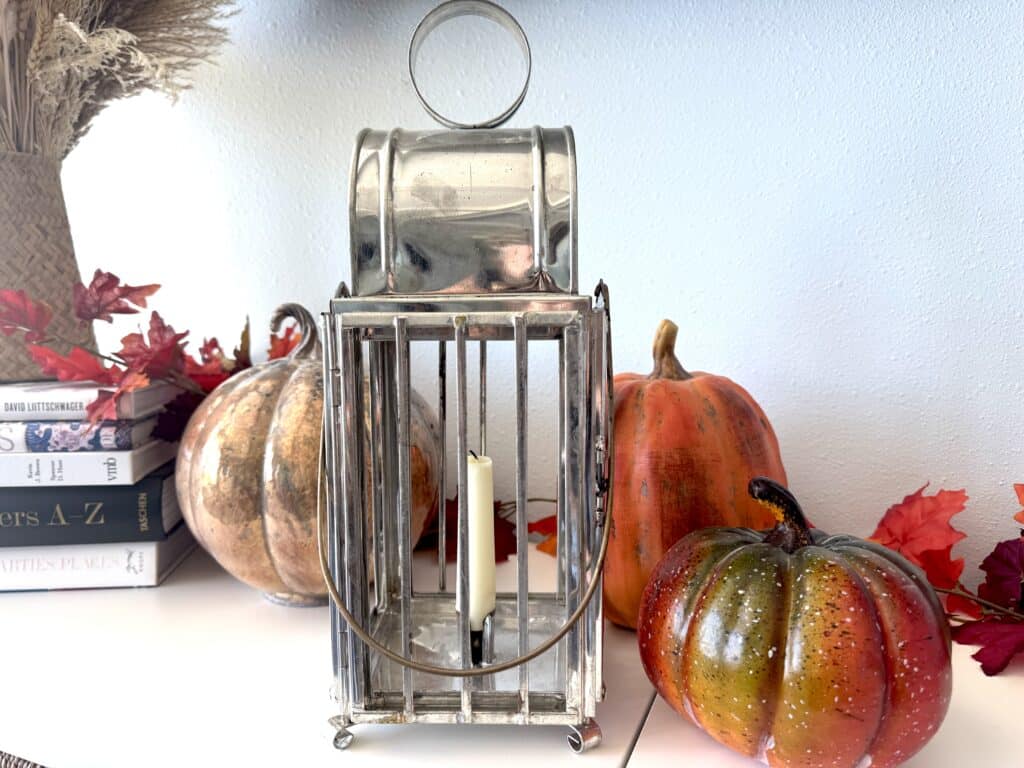
And let’s be real—without light in the kitchen, there would be no reading recipes, no chopping of vegetables, no cooking in the wee hours before the rest of the house wakes up. Cooks need light to live by, maybe more than most, and the smith made that possible with all sorts of lighting options.
That’s what I love about working the metal. It can be used for making cookware, which lets us make meals for those we love, which in turn nourishes our souls as well as our bodies. But it can be used for tangential things, too, such as all sorts of lighting options. And without a little light in the kitchen, the bread is burnt, the pot boils over, the recipe is lost, and everyone starts their day sour and angry.
So it’s all linked, you see? Having a light to cook by keeps the world turning and happy. And that is no small thing. 
