

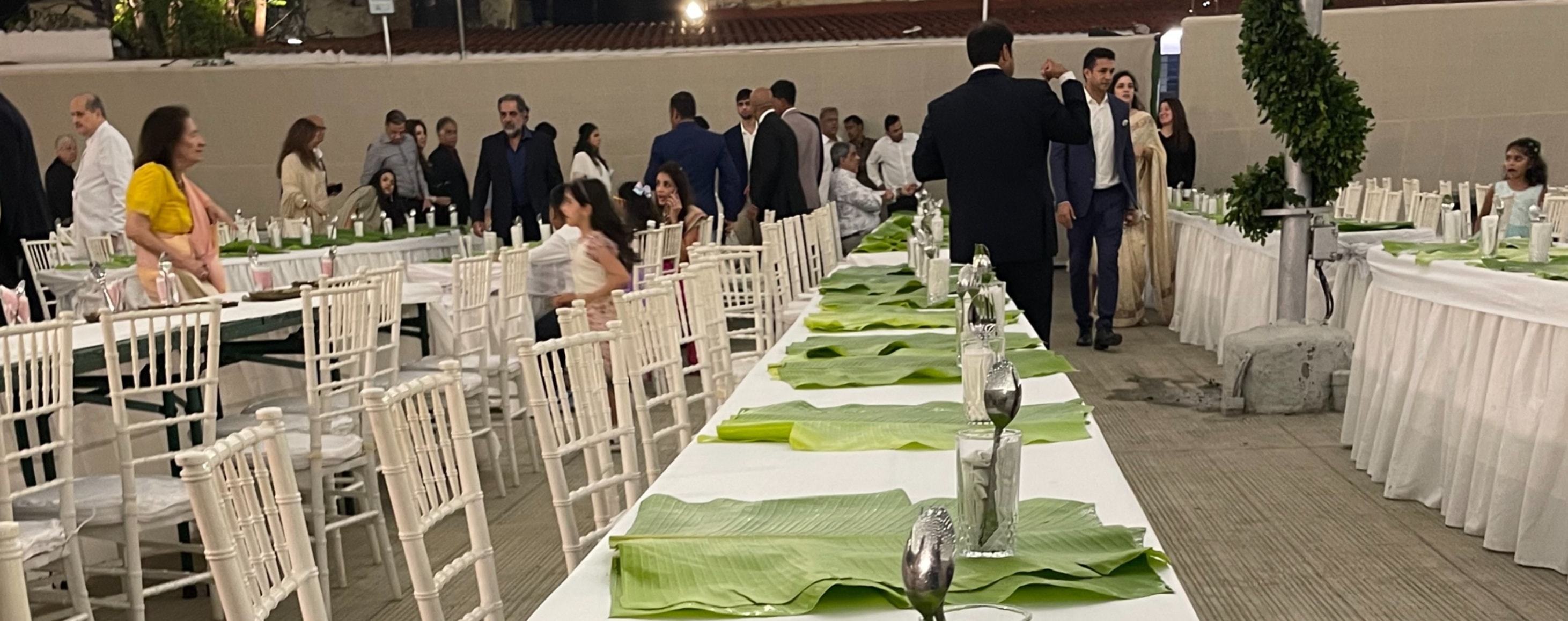
Like many other South Asian tribes, Parsis believe that serving meals on a banana leaf is both nutritious and auspicious, allowing people to reconnect with nature. It is a clean, sanitary manner to serve a thousand people, as is common at a Parsi feast, while also conserving water, which is scarce and hence precious in that region of the world. We are a community that considers the environment and its bounty a gift to humanity that must be protected and well cared for. Furthermore, banana leaves retain moisture (ideal for the traditional Parsi dish patra ni macchi) and are waterproof, acting as a barrier between the gravy of the meal and the table surface. The banana leaf is thick and broad enough to accommodate a multi-course meal, making it perfectly ideal for a grand Parsi culinary gathering.

Eating on a banana leaf has significance, as do most other centuries-old customs. What I found most interesting, and which I was unaware of until recently, is the significance of folding your leaves after finishing your meal! It is customary to fold it towards you, bringing the top of the leaf over in thanks. It is a symbolic gesture expressing one’s gratitude for the wonderful meal while indicating contentment and satiation. Folding it away from you and bringing the leaf to the top says, “I am done; farewell, a final goodbye,” and is used in nations where people eat on banana leaves at funerals.
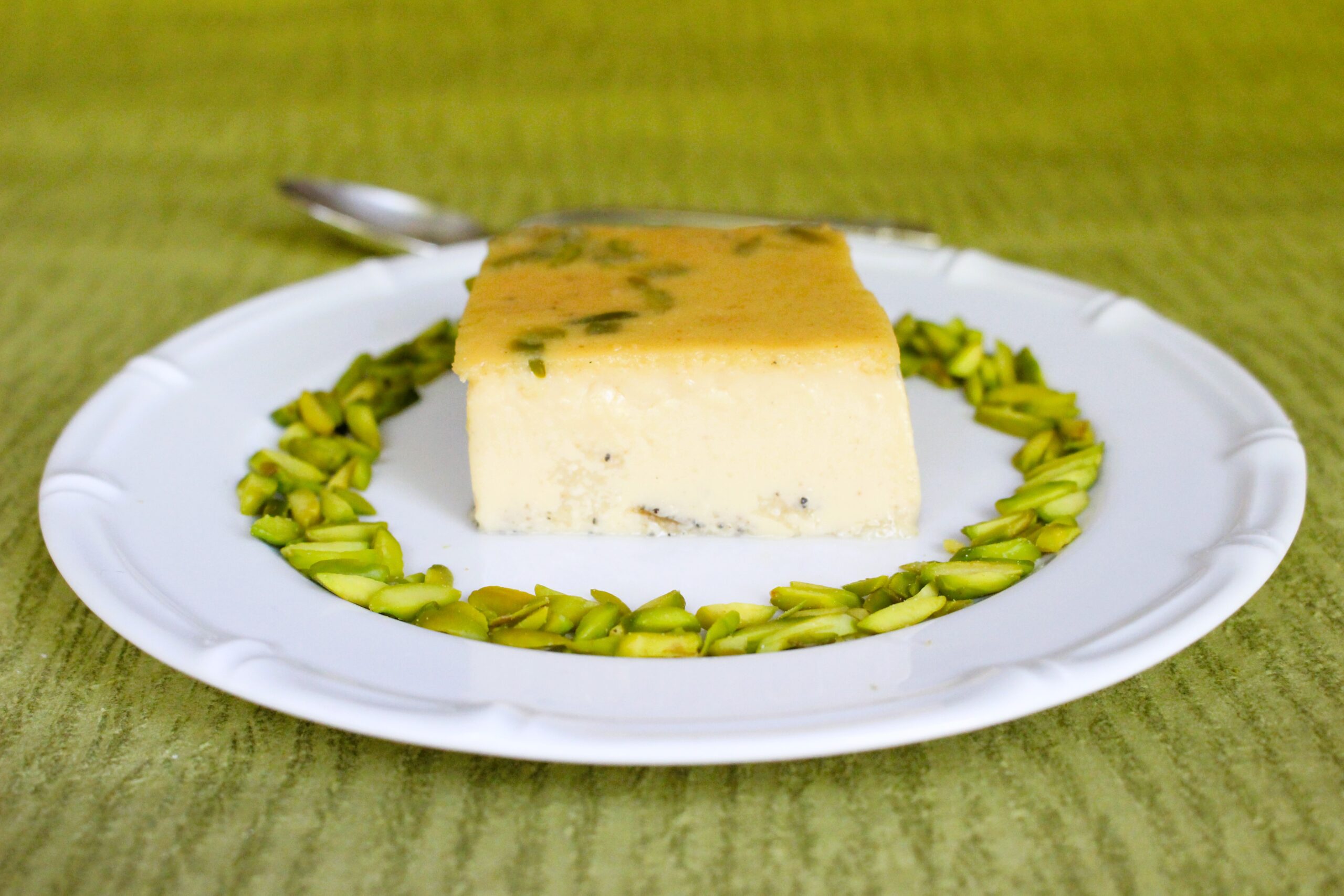
Our centuries-old traditional weddings host hundreds of guests, where the food served on fresh banana leaves is called patra nu bhonu, a feast of several courses, eggs, fish, chicken, meat, rice, lentils and a one-of-a-kind dessert called lagun nu custer. Once done, the utensils are removed and the leaves rolled up to compost after the meal. It also makes washing and cleaning up easier. Parsis are conscious about the planet and its ecology. Even now, it is regarded as environmentally beneficial and biodegradable.
Have you ever touched a banana leaf? The glossy side is smooth and waxy, while the opposite side is dull. If you squeeze it, you can smell the natural oil found in the leaf. These unique fresh herbal, tropical, and floral qualities impart a distinct scent and delicate flavour to the food cooked in banana leaves, which are difficult to replicate using other cooking methods.
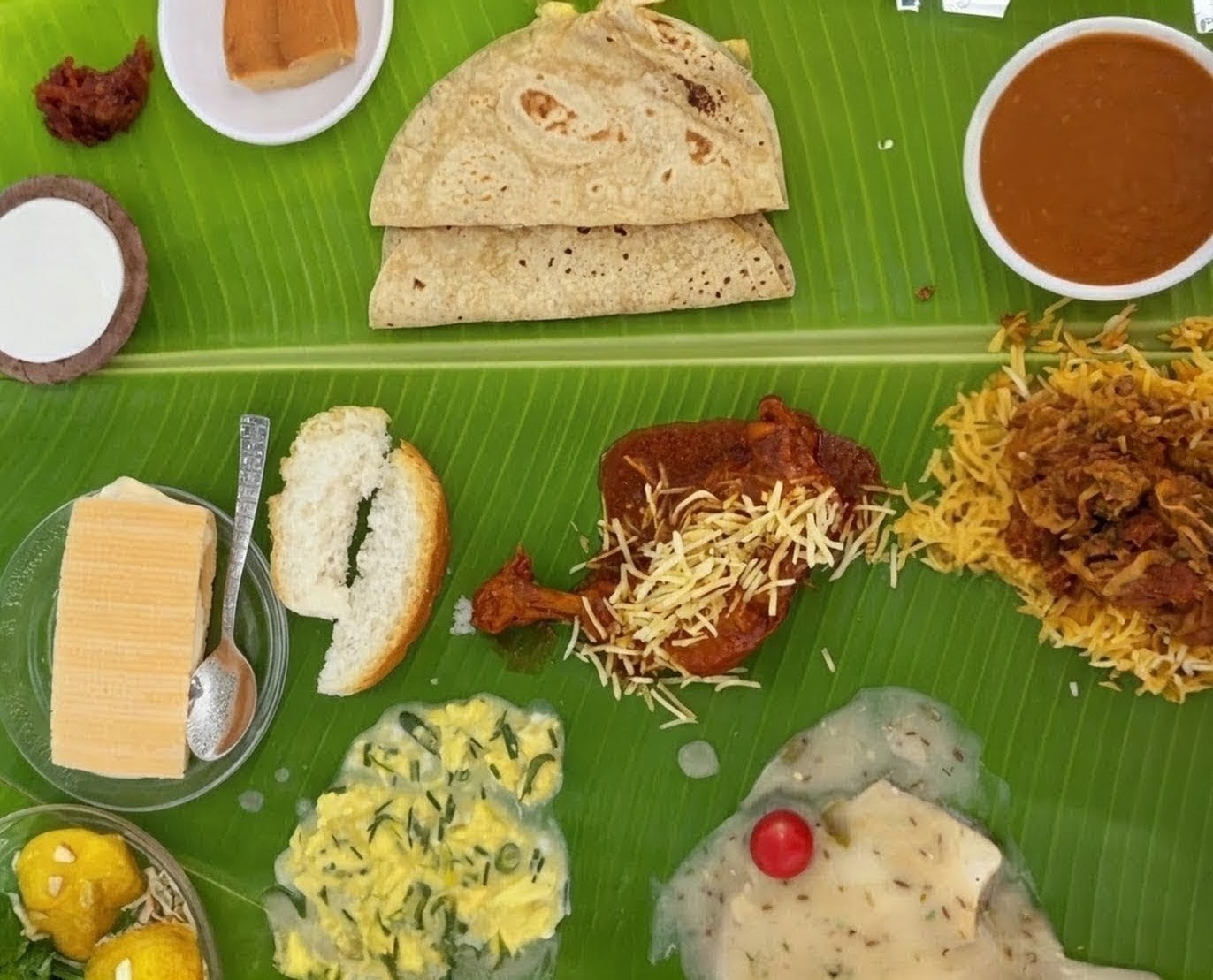
They also exhibit antimicrobial properties. Feature traits: their polyphenols, or antioxidants, in banana leaves are absorbed by the heat of the meal we place on them, stimulating the creation and development of digestive enzymes, resulting in improved digestion and nutritional absorption. According to a study, it helps fight chronic diseases and reduces our risks of becoming unwell.
While the fibrous, tough banana leaf cannot be consumed, it can be used for grilling, steaming, baking, and frying foods. It serves effectively as a container – in the East, where there is an abundance of banana plantations, people cleverly recycle the banana leaf by preparing street cart dishes like small bowls, held by toothpicks or even by the stem of the leaf itself, to serve the food in. 
The recipe: Parsi Lagun nu Custard (Parsi Wedding Custard)