

There are as many curries as clouds in the sky and stars in the universe!
Curry is made in every Parsi home and by every competent cook, each of whom creates a slightly different version by playing with the flavours. This marks the family’s curry-making ability – each one highly regarded for their personalised, distinct type, even though most have khansamas and bawarchis in their kitchens cooking it for them!
The word ‘curry’ is commonly used as a reference to a stew, gravy or sauce. It is best described to the world as a spicy sauce made with meat, chicken, seafood, or vegetables. It can be dry or wet, red, green, yellow, or white, and made with coconut, yoghurt, cream, or broth. While most curries are served with cooked rice, others are served with egg noodles or rice noodles, and a small number are consumed with roti, flatbread, or paratha.
The Tamil word “Kari” which meant a sauce was anglicised by the British colonisers in the 1700s, but some records show the word “cury“, which means cooking, to be part of the Old English language. As migration grew from East to West, “curry” became a popular culinary phrase; a dish synonymous with ‘take-out’ meals suited to local tastes.
Curry spices are traditional in many cuisines besides Parsi. Sri Lankans, Malays, Thais, Burmese, Singaporeans, and people from various regional Indian cuisines are the most well-known for their assorted curries. Curry powder, on the other hand, is still a spice concoction devised by a savvy cook at the request of his Saheb (boss) and intended for high-ranking Colonial British officers to take back to Britain. The East India Company packaged and commercialised this in the 1700s, and it is still available in stores throughout the world today. To be fair, in Parsi cooking, I can only remember two recipes that include this powder (along with other spices): fish biryani, which my mother-in-law perfected, and mulligatawny soup, another colonial innovation.
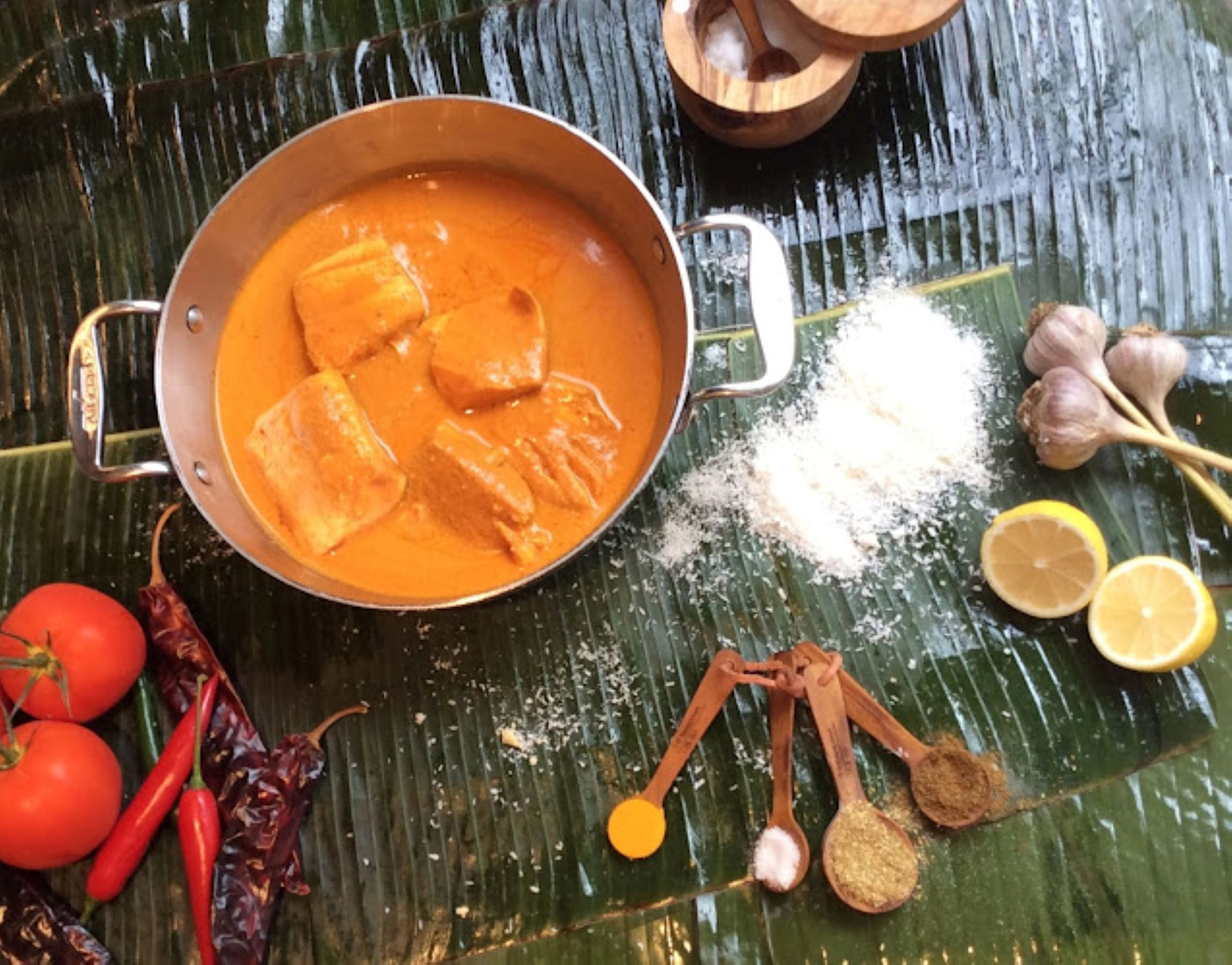
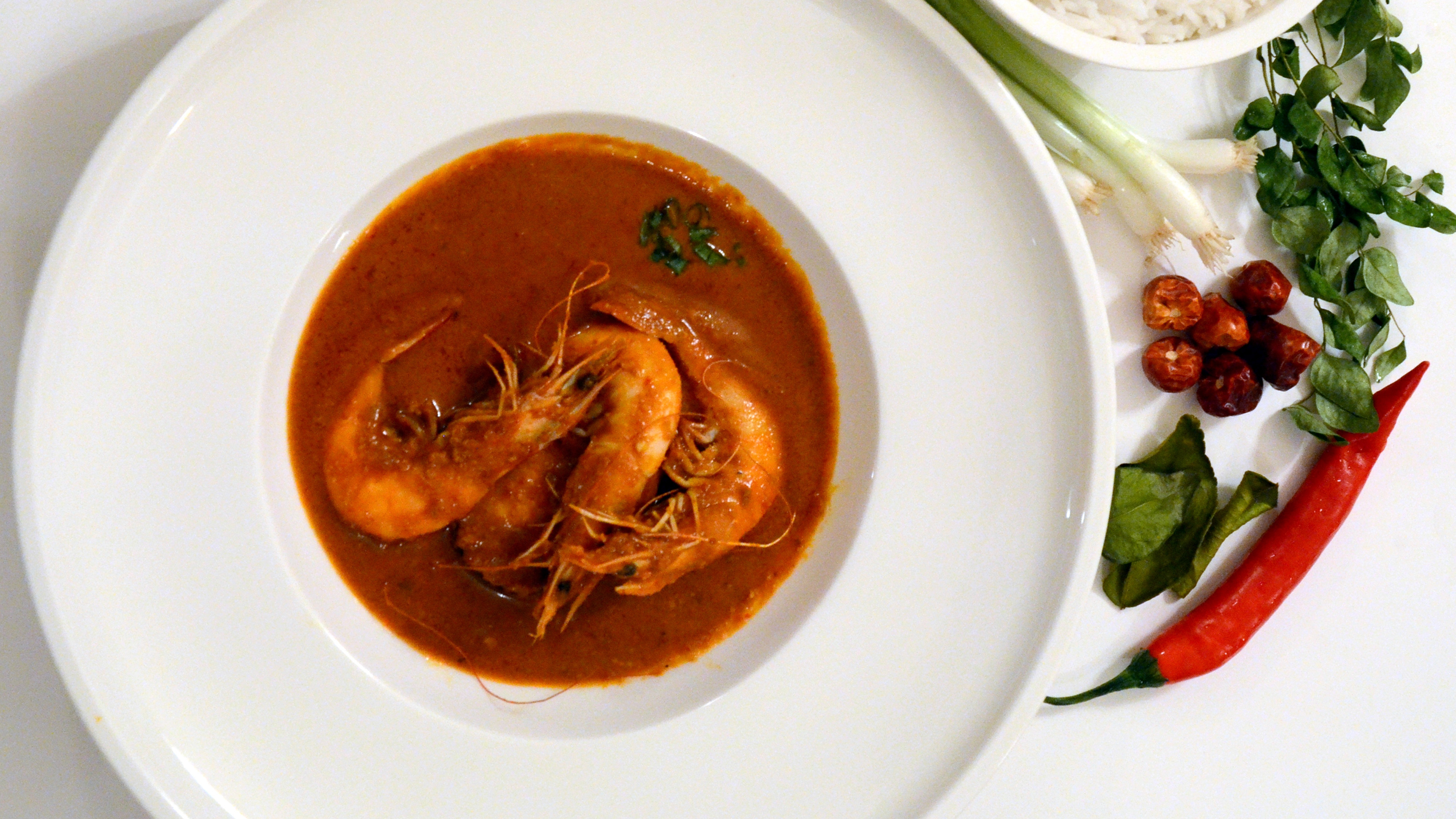
When compared to other cuisines, Parsi curries stand out. They differ substantially because our curry is made with fresh coconut; the masala is ground on a masala no pathar, or grinding stone, and the flavours of the meat or seafood broth come through, as does the perfect balance of tikkhu, khattu, mttihu (spicy-sour-sweet). The pungent masala results in wafts of the aroma filling the home, often carrying on to the neighbour, who can tell what’s cooking! And yet, we consider it at its best only when you hear someone claim, ‘I could drink that,’ or you watch them eat a few spoonfuls of the curry like soup! It is always served over heaps of boiling rice with a well-chosen salad, kachumber seasoned with salt and vinegar on the side. In the twenty-first century, cooking skills and technology have evolved, and we now employ machines to create our food, breaking the ancient taboo!
Since there are so many varieties of curries, it could be impossible for us to decide which is the best. The only true dilemma is choosing the ideal wine for the Western curry-loving community, who have the luxury of enjoying the most authentic curry easily found in London, New York, and Toronto. 
Recipe: Macchi ni Curry