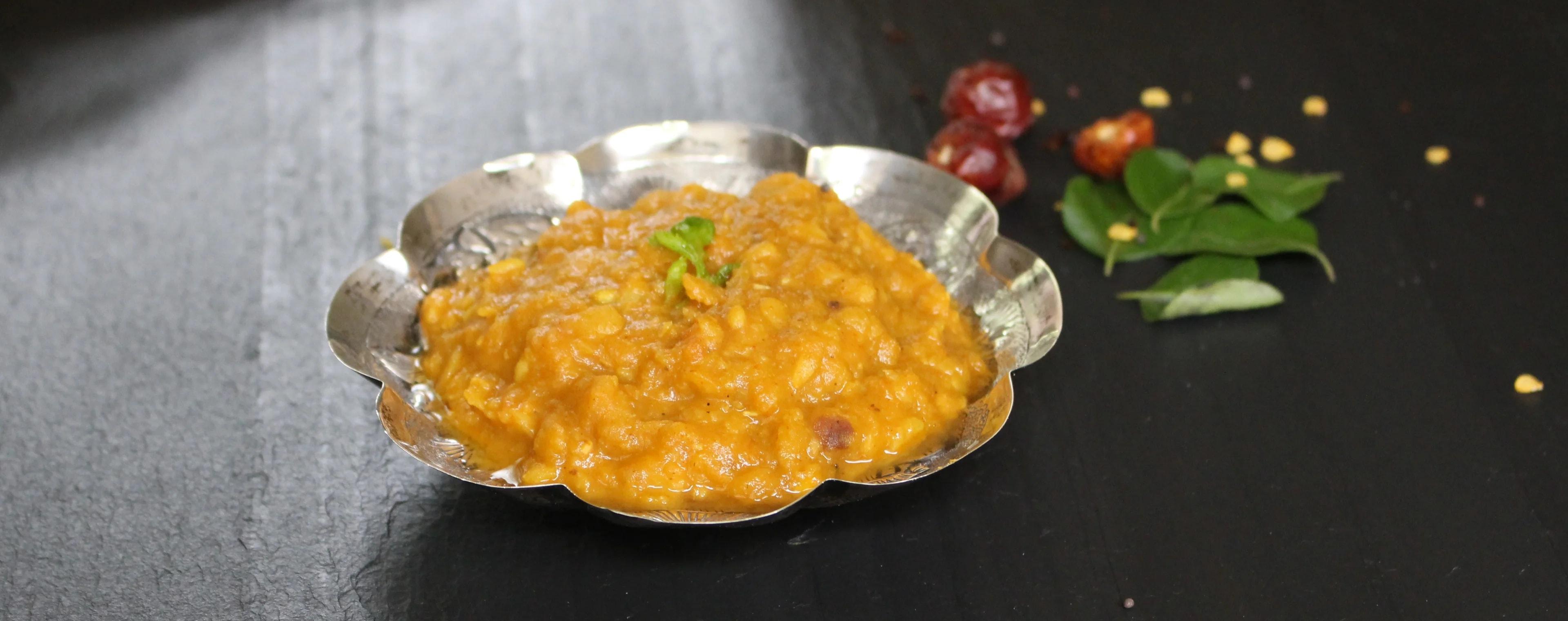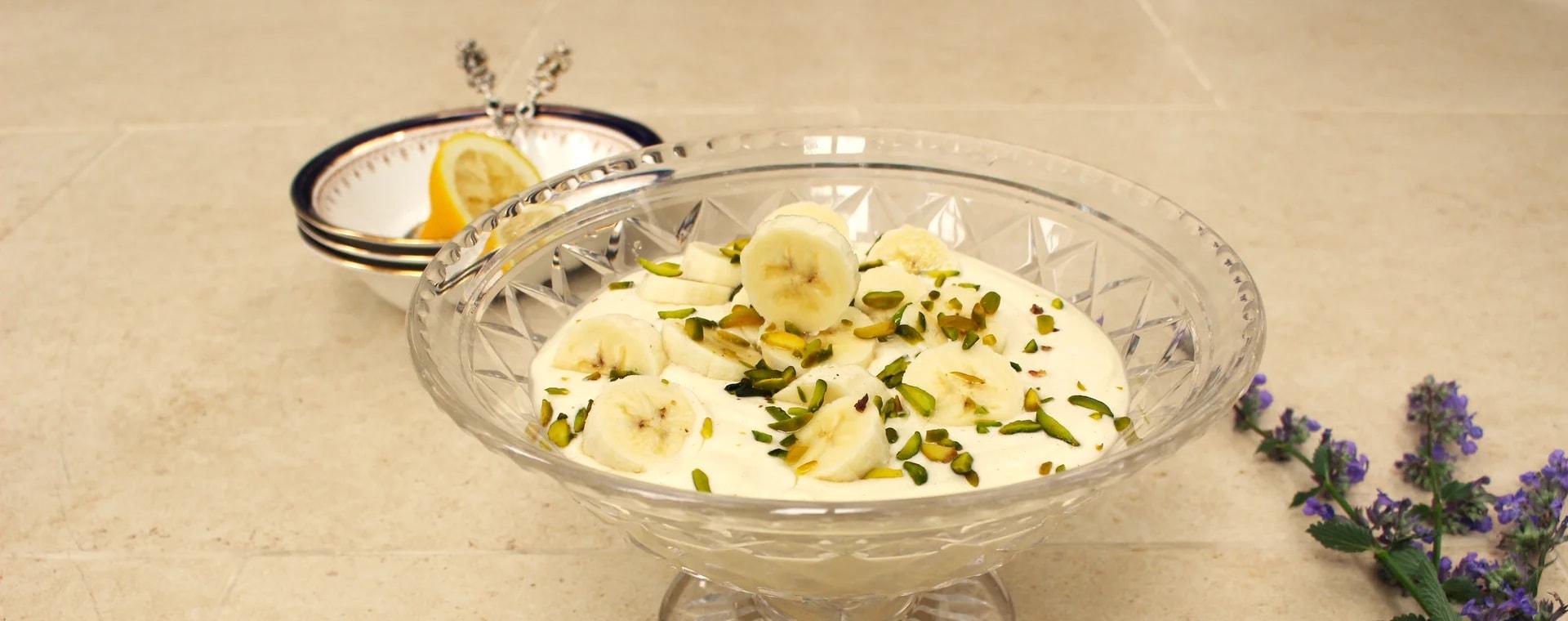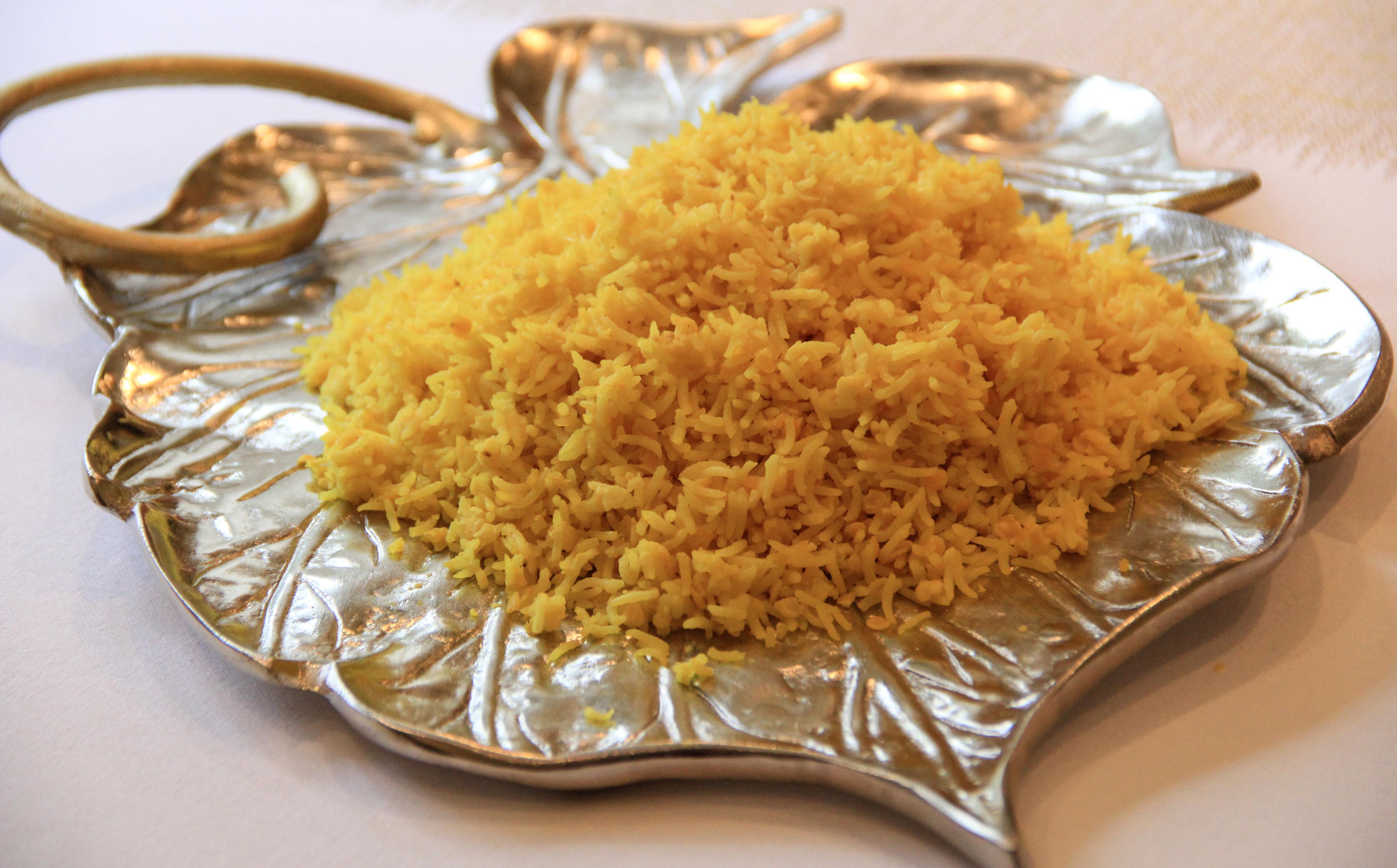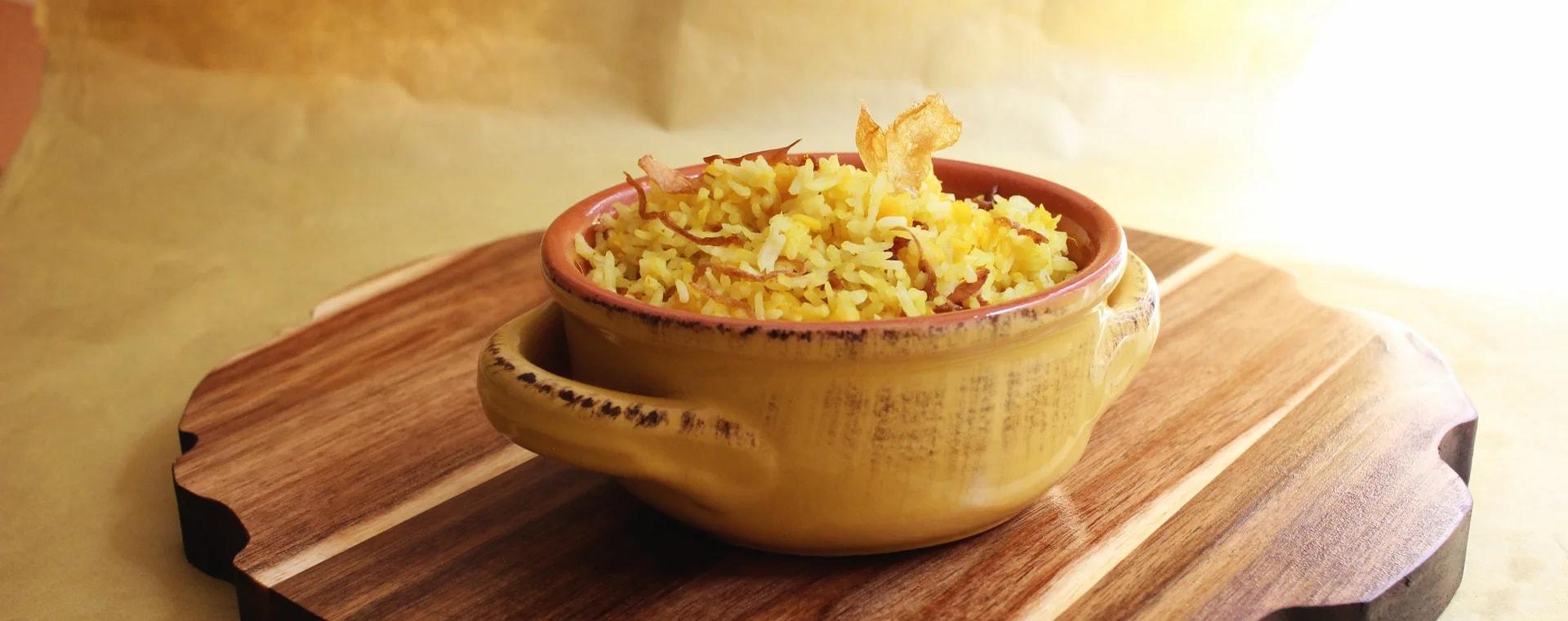

Every culture has a unique pickle variety, and Parsis call their collective pickling ‘achar‘, ‘nay chutney’, and ‘murumba’ when it’s sweet. The difference lies in the variations of cooking techniques and appearance. Through the preservation of food, Parsis have also have preserved their rich history and traditions.
While the phrase ‘achar bharwanu’ translates to ‘pickle filling’, it is also colloquially referred to as hoarding something for long periods of time without using it, whether clothes or specialty foods!
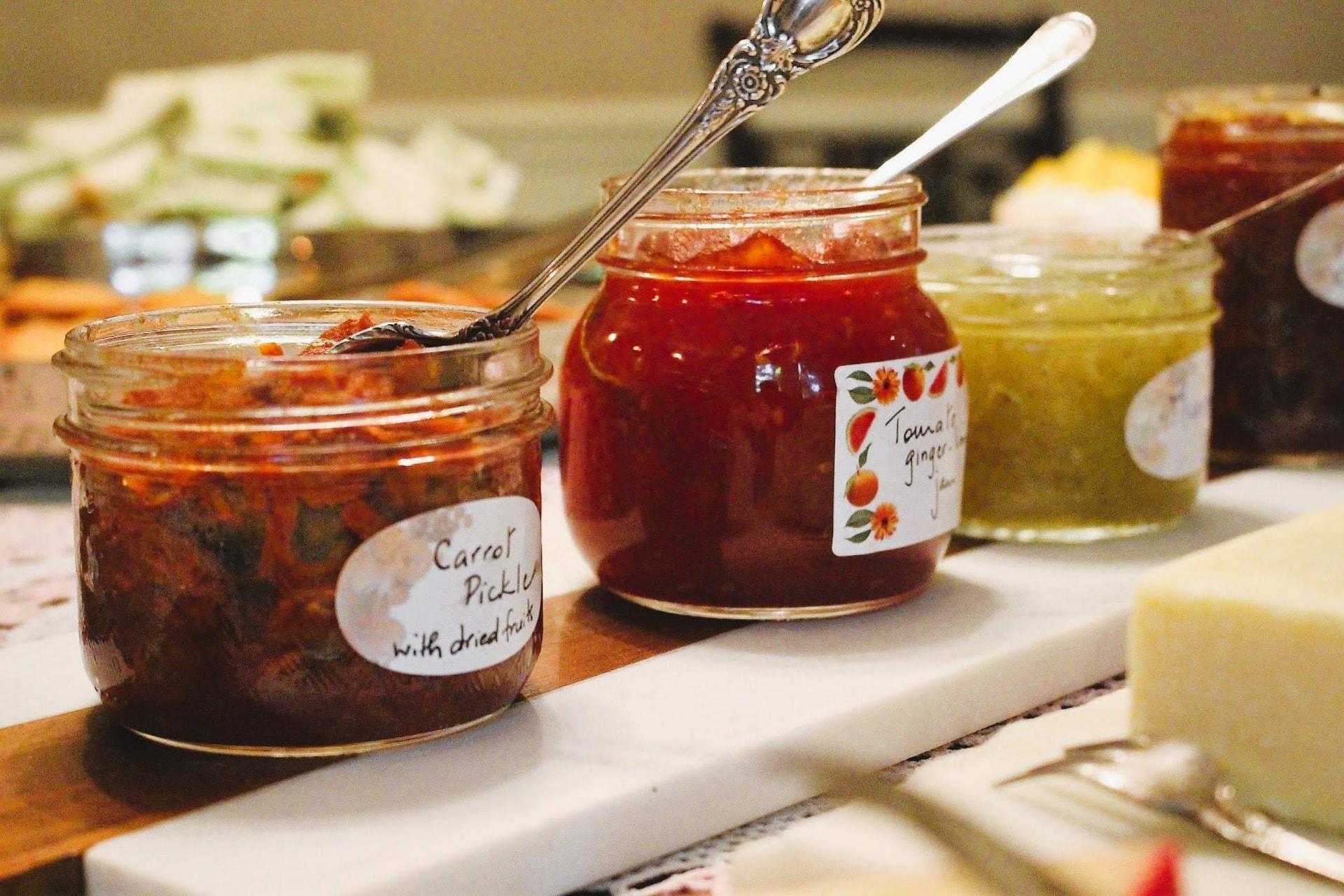
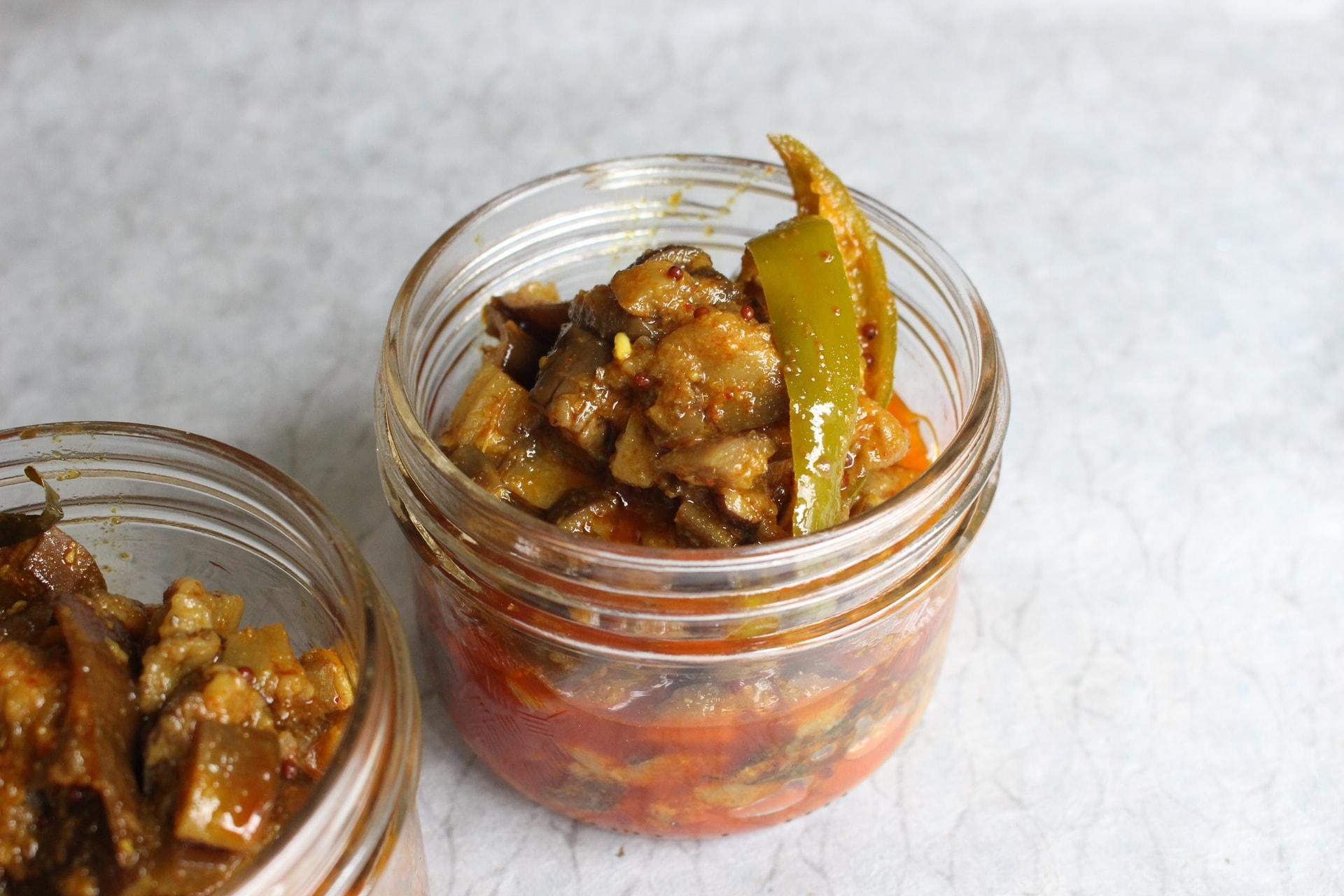
Achar is usually cooked in oil and then covered with oil to preserve it. The ingredients are predominantly prawns, fish roe, and fish; also prepared with mango, green chillies, and eggplant. Chutneys are savoury, jam-like, sticky, and often thick in consistency. Parsi chutneys are a balance of tikkhu, khattu, and mitthu: spicy, sour, and sweet. Mangoes, tomatoes, lemons, and carrots are common components because of their acidity and tolerance of high cooking temperatures; they do not require artificial preservatives.
The art of pickling was developed by matriarchs who were mindful and frugal in their approach. Following the natural calendar of seasonal harvest of all crops, fruits and vegetables were so deftly preserved, today achars and chutney are prepared using the same successful methods of centuries ago. Historically, Zoroastrians generally had large acres of land with plenty of fruit trees and land on which they grew vegetation. Preserving the surplus in-season crops was the natural step to feed their families when the harsh winter season set in. These housekeeping rules fell on the women of the community, who were our guides and from whom we watched and learnt more through practice and osmosis than any formal training or even detailed handwritten recipes. Fortunately, generation after generation did the same by rote until the women started to get schooled, and some had the power and ability to carefully curate their work on paper. Being part of Mother Nature’s bounty, the yield of each crop was a mystery. While flash freezing them is now an option, the importance of pickling keeps these gorgeous fruits and veggies from ending up in the trash bin. Seasonal fruits and vegetables deteriorate if they are left in the field. Harvests that have a lower shelf life need to be eaten.
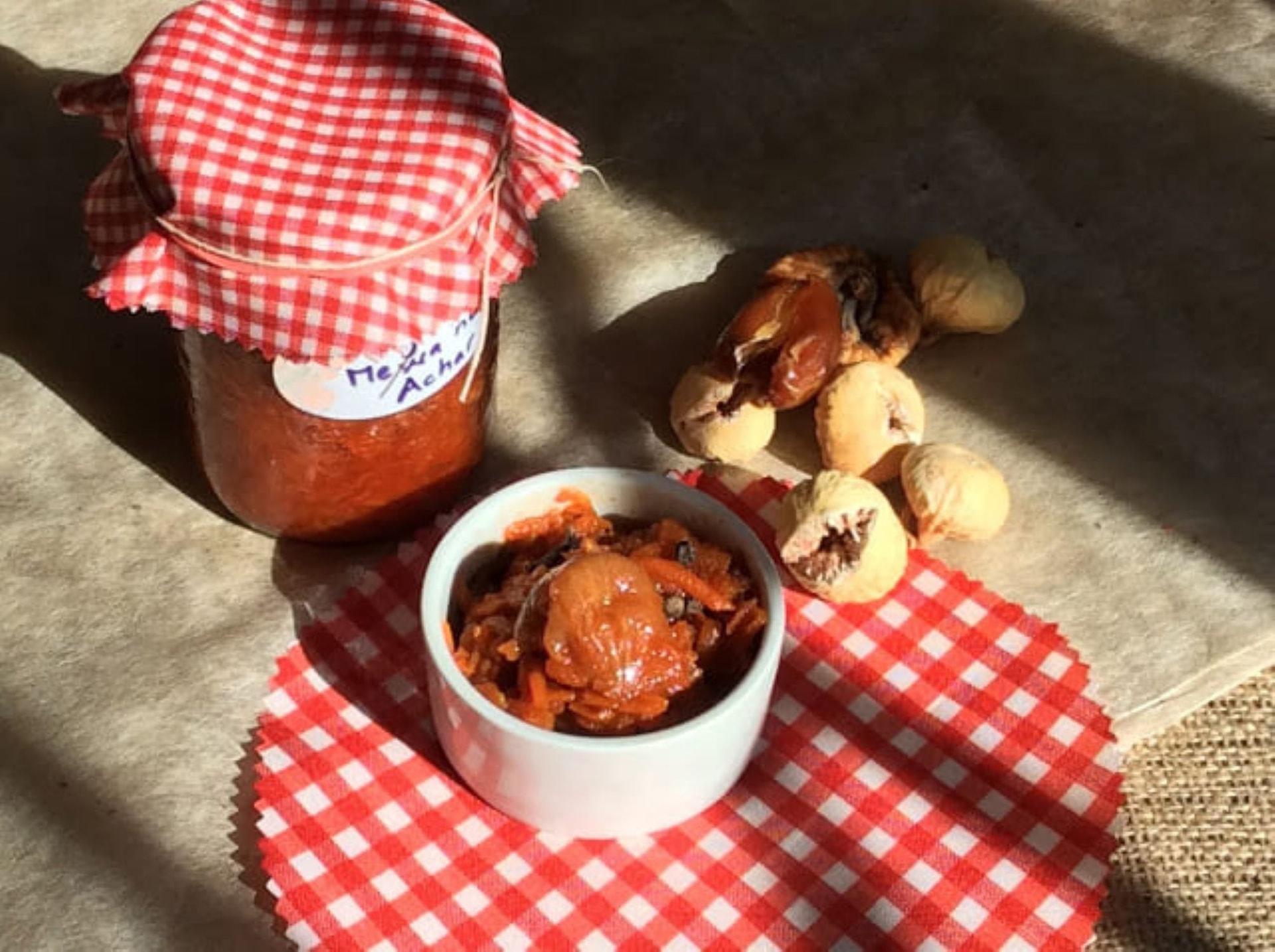
Isn’t it fascinating how food cultures differ so much that when one society refers to pickles, they think of sour cucumbers, and another remembers a combination of spicy, sour, and sweet that is so well balanced it could be a cooked stew? For the majority of the subcontinent, an incredible number of pickles exist, and almost all of them were cooked with spices and oil. Pickles are also known as‘chutneys’, ‘achars’, ‘athanu’, ‘acara’, and ‘urukay’, depending on the geographic location. To preserve our ancestors’ customs and bear the weight of continuity, Parsis attempt to prepare pickles using our grandmothers’ methods. Families typically keep these preserves in their larder to eat, share, and present as gifts.
The term “chutney” was later anglicised by the colonial British to describe the pickled and cooked mangoes that were shipped to the West in bottles. These days, any fruit or vegetable with added spices and a hint of sweetness, like chutney, is included in the English language and may be found on supermarket shelves all throughout the western world.