

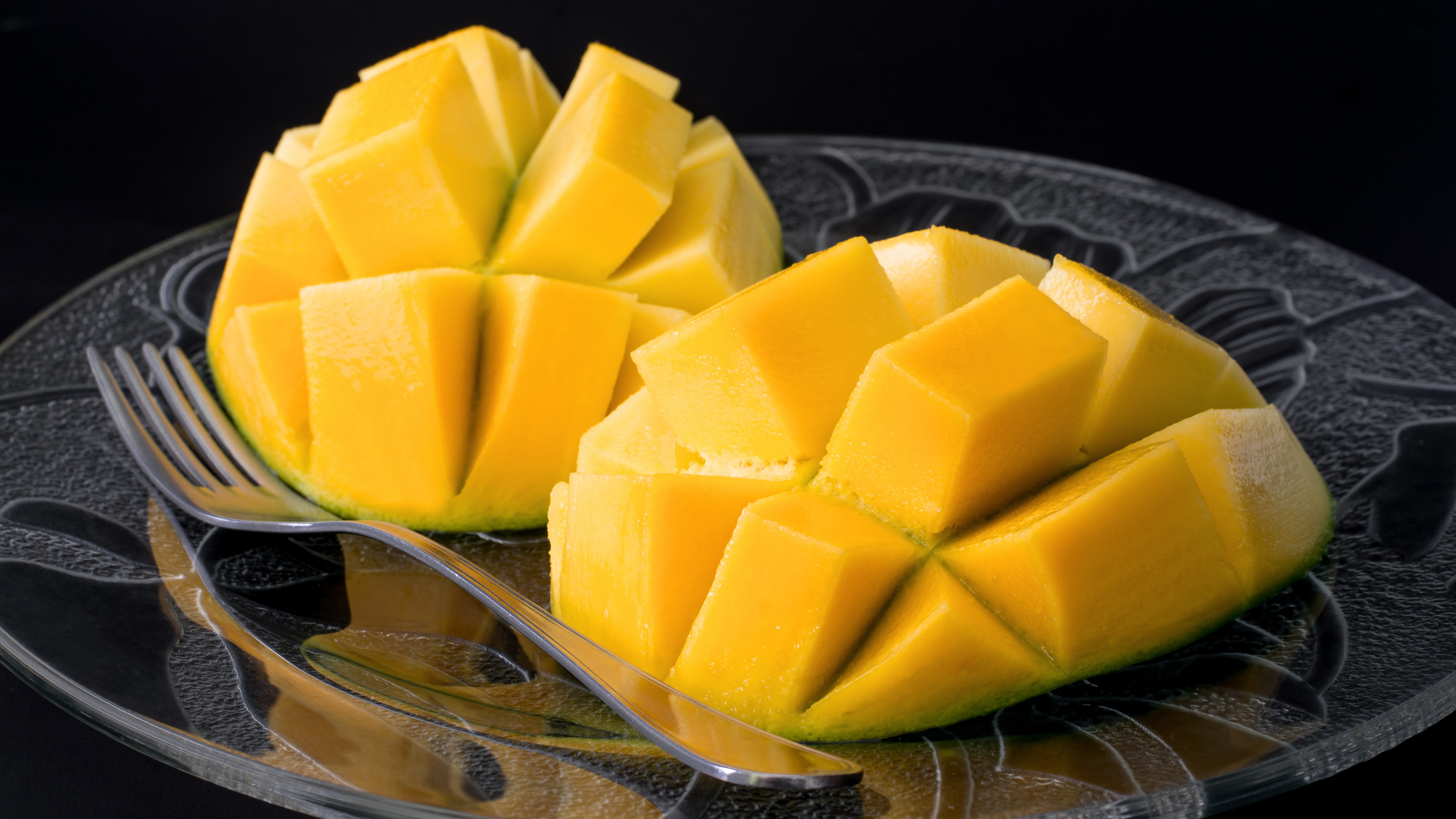
About a five-minute walk from our palapa, back toward the wild jungle, is a gigantic Black Mango tree that yielded what seemed like hundreds of large, juicy mangoes. This year, we got nada. A local told us that it’s likely the other trees surrounding the mango are too tall so it’s not getting enough sunlight. We were disappointed, but while it was the end of mango season for us, we received plenty of “thank you” mangos, fresh from village trees in the family yards.
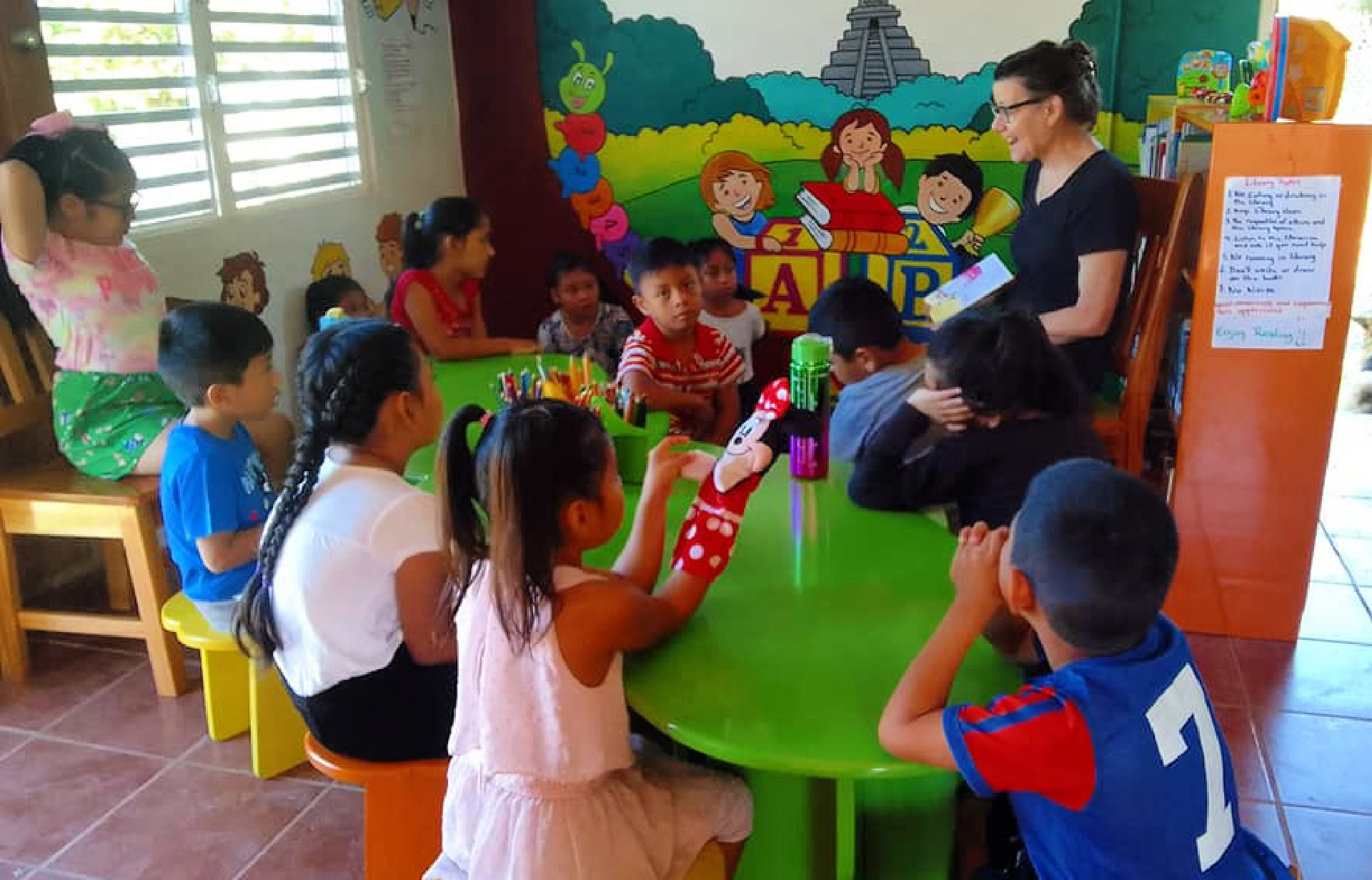
When locals want to thank us for something we’ve done for them — and for us it’s just part of being a good neighbor– they give us food or a plant, something they’ve made or grown themselves. The first time this happened, many years ago, I didn’t know what was going on. Jim and I had been tutoring kids in the community center, because after the COVID rules were lifted and kids could go back to school, they were very behind in their studies.
After about a week of sessions, the kids started bringing in mangos and limes, corn and papayas, plopping them on the desk in front of us. Over and over. We had so many mangoes that I had to get creative with using them all before they overripened. Salsa, mangos in syrup, grilled, just sliced up and bitten into, plenty of napkins on hand. Well, not all that creative, but I tried to use as many as possible. Everyone else had so many mangoes, I couldn’t even “regift” them. Eventually, I laughed about it with the librarian, “Why are they bringing all this fruit?”
“Oh, Miss Rachel, it’s to say ‘thank you!,” she explained.
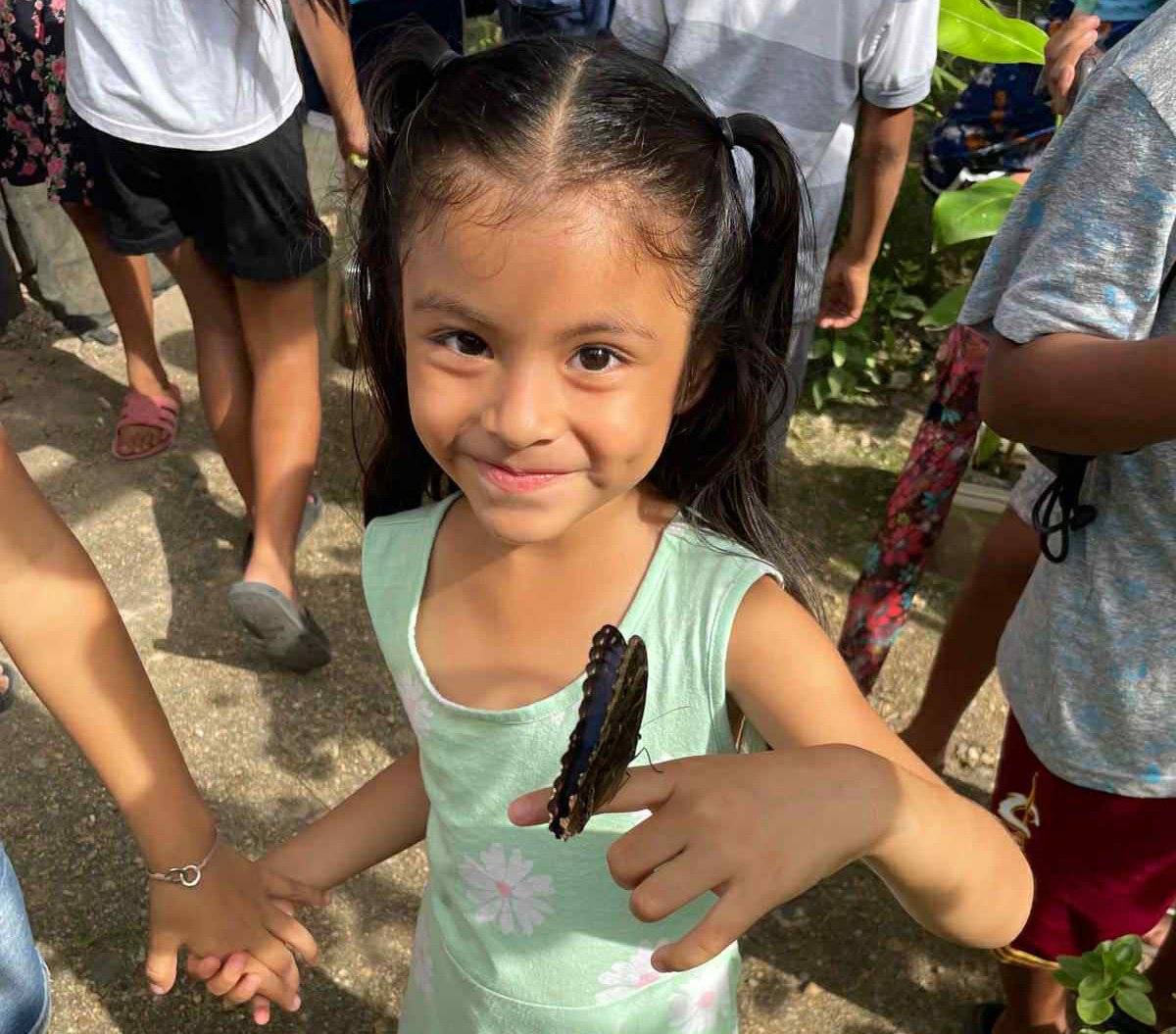
We were helping their children, and this was how they repaid us. The next year, we went on a field trip with about twenty kids to Oxmul Butterfly Farm, a short walk from that community center, by then the new library. Each child held a food-related token of appreciation and set it down on a table in front of the butterfly enclosure at the farm, paying for their entry and for the owner’s time and graciousness before stepping into the wonderful space filled with fluttering Blue Morphos and Turk’s-cap White-Skippers.
Just a few months ago, a friend in the village needed some of the cage material we have on the property to make a grill top, so Jim cut a square from the many feet of it we have lying around. We got a new plant in return. Just to explain, a few property owners ago, our place was a big cat rescue and sanctuary —ocelots, jaguars, margays—and there are still huge enclosures on the property, one with a concrete outbuilding. Its history is a puzzle we’re trying to piece together, but every so often, we run into someone who knows more about it or whose relative worked for the woman who ran it, so we’re slowly learning the history of it all. We like having the cages around because it’s very “Jurassic Park” around here.
A few weeks ago, we were given plums. On our drive back from the big town of San Ignacio on our shopping outing, we passed a local we knew, a man who works at Pacbitun, the Maya archaeological site around the corner from us. He was hiking down the road toward the village with a giant weed whacker on his back in the 90-degree heat. We knew he had a couple of miles to go, so we turned around quickly. Jim threw the weed wacker in the back of the 4Runner, and we drove him to his house.
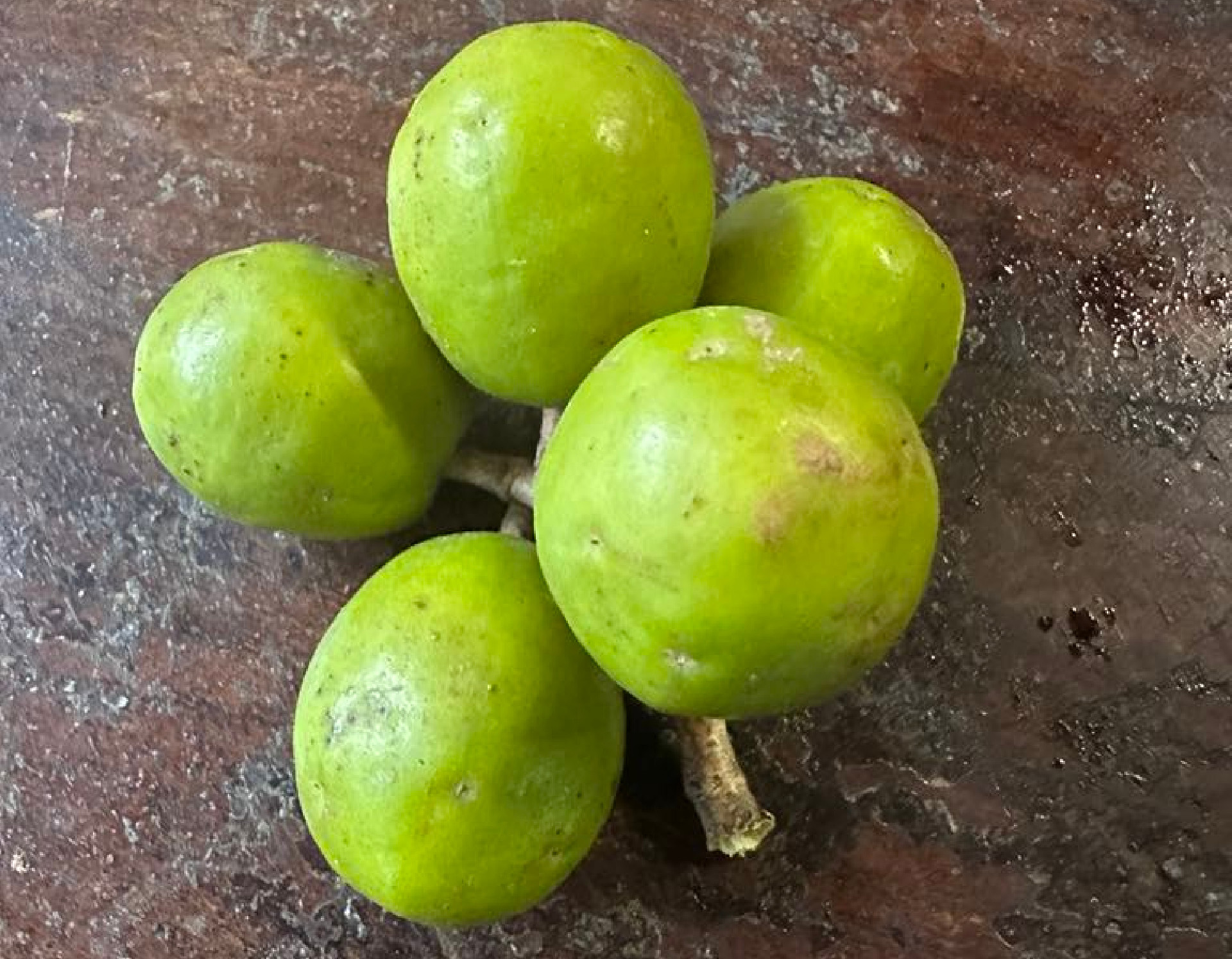
Because he can’t speak or hear, he gestured to a beautiful tree in his yard and picked off a few of what they call “September plums,” hard little green fruit that soften and ripen. They’re called Hog Plum in some countries. He showed us how to eat them with his hand signals — just bite in and dip into chili or pepper — and brought us a bag to fill up. I cooked those with red snapper when they ripened. Next time I find some, I’ll keep them a little green and cure them like olives with fresh garlic.
I had a long talk about this with Joerdy, the man who has The Farm Store in the village, a shop that popped up a couple of years ago that keeps us from having to go into “town” very often. He spoke about how the people in the village help one another. They barter and thank each other without money ever changing hands. It’s about lifting each other up so no one goes without whatever it is they need, whether it’s food, fixing up a home, or getting water to their property. Helping just one person helps the whole village thrive.
Locals use a Yucatec Maya phrase when someone does them a favor, like a ride to town when they have no money to pay. Dios bo’otiik means “God pays it” or for farmers, it’s more like “You will be paid by the gods of the forest,” who will provide and help your crops grow. Hopefully, we’ll have our own mangoes next year from our smaller tree, or the large one will bear fruit. In the meantime, the gods of the forest and our wonderful neighbors gave us plenty.