

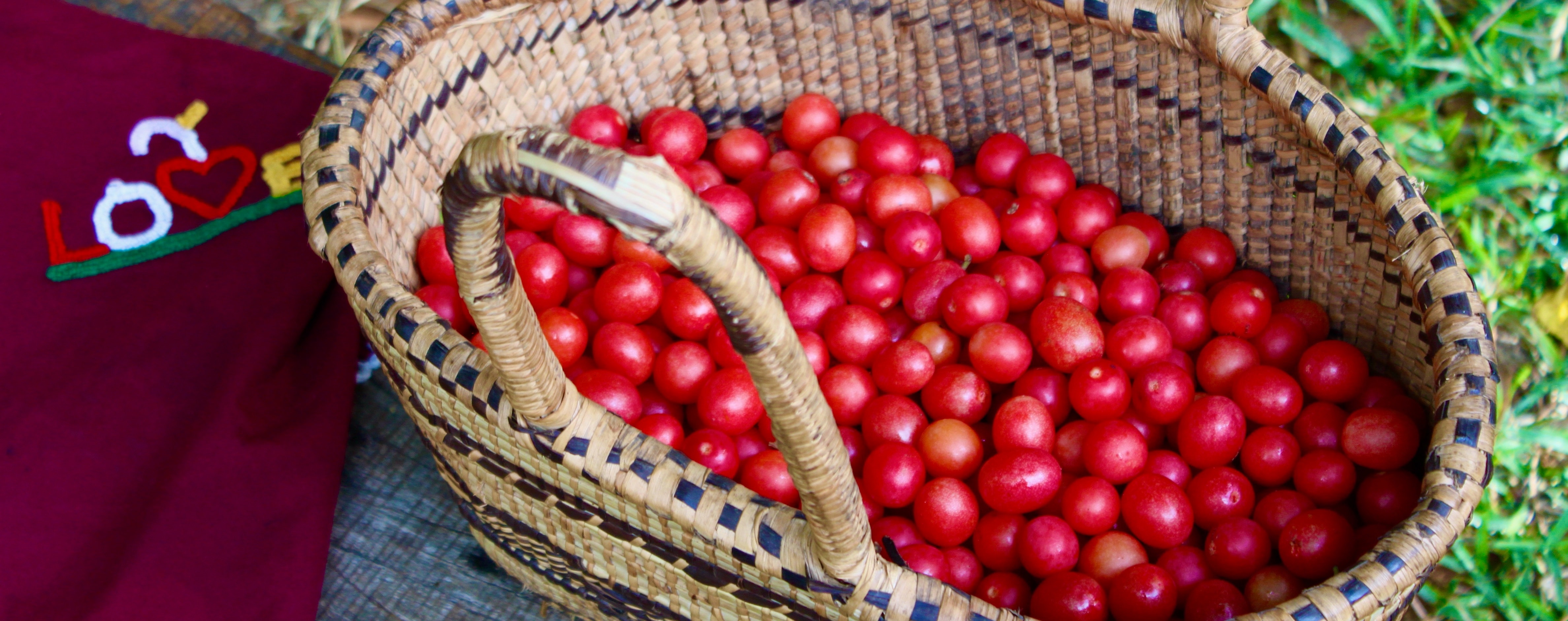
Wild sourplums, or mungomba, as the Tonga people call them, taste like pucker maraschino cherries infused with almond essence. To me, nothing announces the holidays more in the upper Zambezi Valley than the arrival of wild sourplums, brought on by the onset of the summer rains.
It’s hot over the holidays here, a searing heat that is punctured by fierce thunderstorms heralding in a humid miasma of flying insects. Our house was originally designed to mitigate the discomfort of the summer heat and therefore has few walls and no doors. As a result, serving a celebratory holiday meal to family and friends, especially in the evening, without bugs adorning each dish requires real ingenuity. As does producing a meal without electricity after transformers are often blown up by lightning. Wood-fired ovens are always to the ready in the event we lose electricity, while ice creams and sorbets are plated in the dark of the cold room so they don’t melt before arriving at the table.
The large sourplum, or Ximenia caffra, is a shaggy, spiky, shrub-like tree found in the Kalahari woodlands in which we live. Growing in the understory of giant hardwoods, its fruits adorn the branches on which they grow like perfectly-round, perfectly-red Christmas tree ornaments. Winged creatures love the tree as much as humans, which isn’t surprising because its benefits are numerous. Packed with vitamin C and potassium, the sourplum also contains lots of protein. The oil content in the seeds, which is unusually high, is extracted and used to soften skin and hair, as well as animal hides. The Tonga people use the sourplum as a remedy for many ailments, including stomach aches, mouth infections, and toothache, while powdered sourplum roots are used in unguents and added to beer as an aphrodisiac.
A positive outcome created by the demand for wild ingredients in my commercial kitchen has been the evolution of a community project overseen by Zambian women with whom I work in my food business, SavannaBel – Bush Gourmet. Each December women and children, who live on our farm and in neighboring villages, are paid to forage for fresh wild sourplums, bringing the chefs baskets and bucket-loads of fruit almost daily.
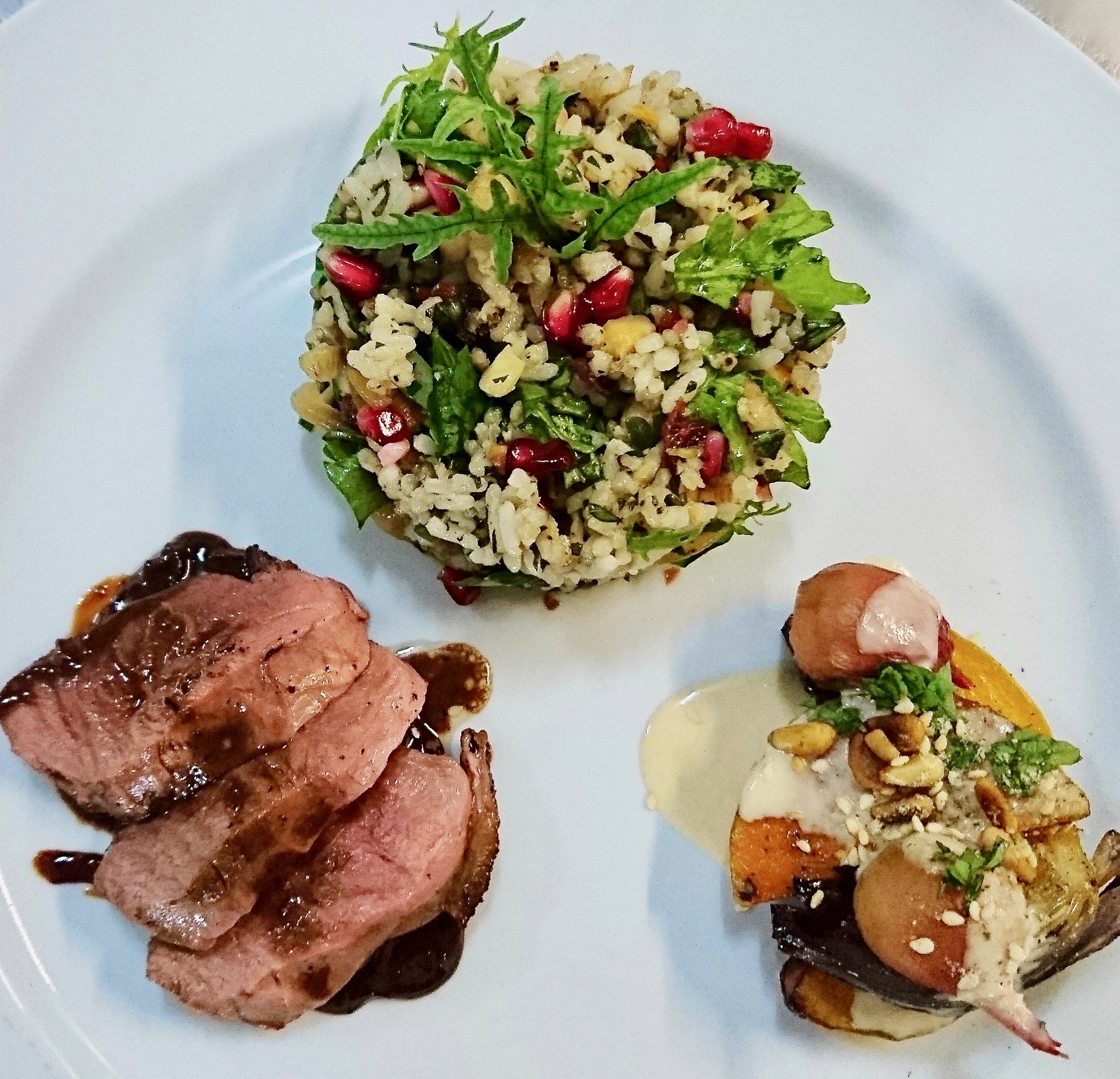
We preserve the fresh wild sourplums into jellies, molasses, fermented drinks, liqueurs, and syrups. Its flavor especially complements savory dishes, in particular meats such as venison, duck and pork. Wild sourplum syrup stirred into a creamy egg custard produces a seriously good ice cream, raved about by all who eat it. The ice cream’s flavor and color are singular, its texture soft and creamy. As my husband, Chris, said the first time he tasted it: “There just isn’t anything else with which I can come close to comparing this ice cream.” Seared duck breast or sous-vide pork belly with wild sourplum, ginger and star anise is what I mostly serve as a main on Christmas Day. When considering side dishes, I am forced to consider the weather, and most often serve this with jeweled Mongu rice – an indigenous rice grown in Zambia’s Western Province – mixed with nzembwe (finger millet grown in nearby villages), caramelized onions, pomegranate seeds and peppery leaves, alongside my own organic roasted butternut and beetroot seasoned with mubuyu (baobab) za’atar, all of which is served at room temperature.
The recipe: Seared Duck Breast with Wild Sourplum, Ginger, and Star Anise