

“A cluttered head means a cluttered plate.”
I still say this to my cooks when I see them start to rush, hands moving faster than their thoughts. You can feel it, the panic, the noise, the frantic energy that makes everything taste just a little off.
Speed is a tool. Recklessness is a curse.
And the line between the two?
Presence.
I didn’t learn that in culinary school. I didn’t learn it in Michelin kitchens. I learned it on a cracked tiled floor in a humid kitchen in Nashua, NH that smelled like cumin, fried onions, and something far more ancient.
I learned it from Indira.
She wasn’t a chef in the way we define it in the West. No pressed whites. No kitchen brigade. No ego slicing through the room like a boning knife. She was a home cook. A caretaker. A quiet master of flavors that took generations to perfect.
And when I first walked into her kitchen, I’ll be honest, I judged it.
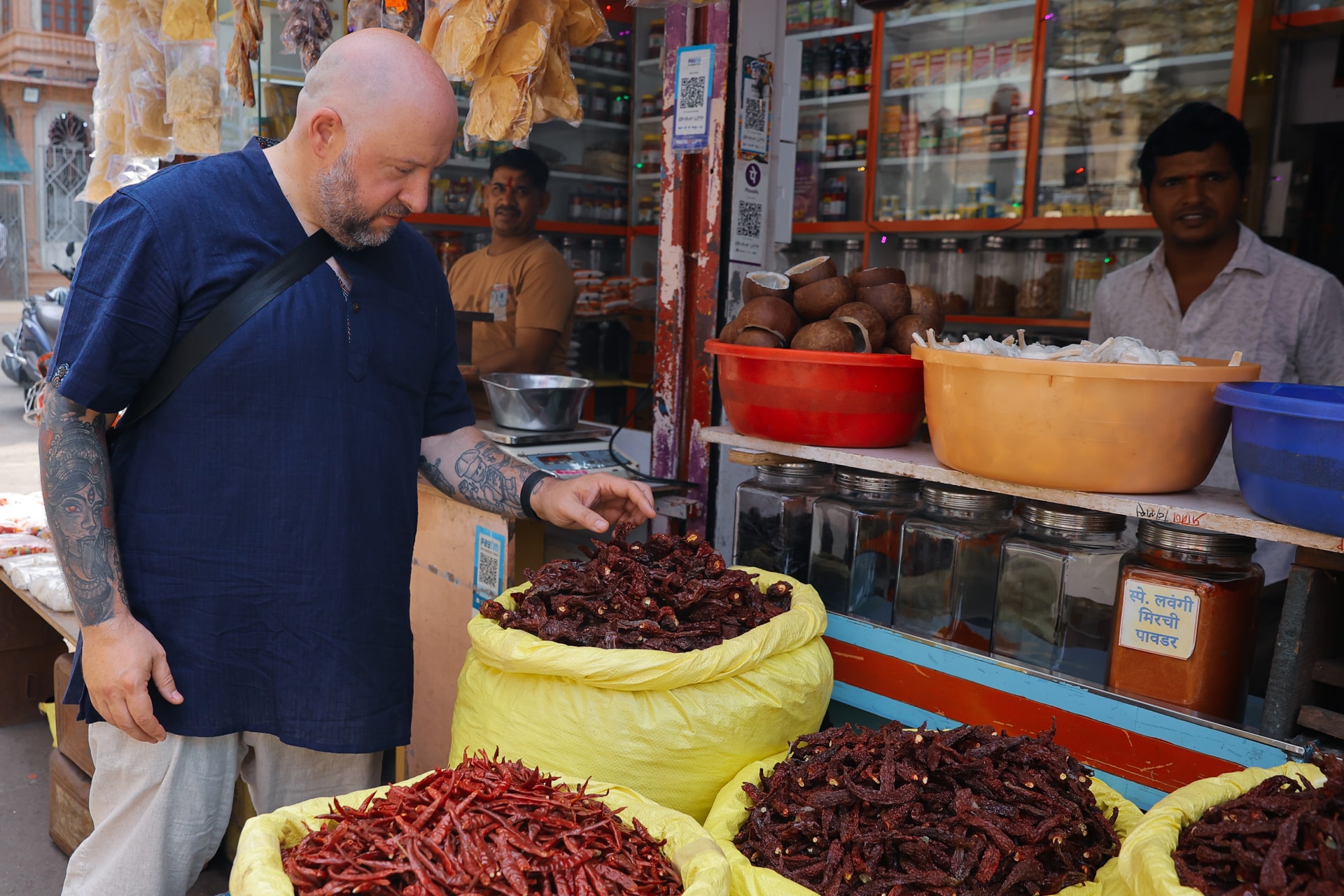
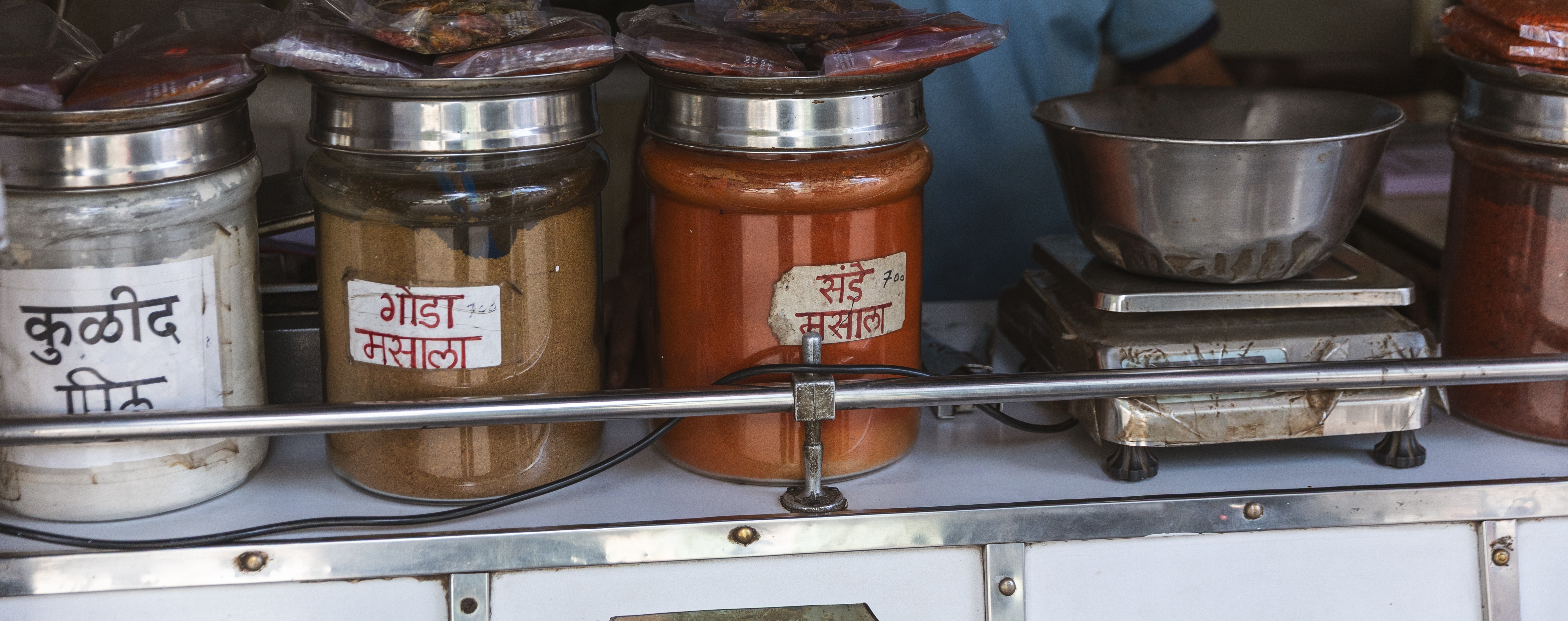
Pots hanging haphazardly. Spices in reused jars with labels from three decades ago. Indian soap operas playing on an old T.V and boxe everywhere. To me, it looked like chaos.
But what I saw as clutter… wasn’t.
It was care.
I watched her make masoor dal the first time and thought she was forgetting steps. She didn’t time the dal. She didn’t measure the cumin. She didn’t look once at a recipe.
She felt her way through it.
Every movement was deliberate. She roasted spices until they were “just dark enough to smell like rain on earth,” she said. She tore curry leaves with her hands, saying the knife would “cut the spirit.” She tasted everything, not like a chef chasing perfection, but like a mother checking the temperature of bath water.
I’d never seen someone so completely in the moment.
And I realized how loud my own mind was.
Back in my kitchen, I was trained to move fast. Fast meant efficient. Fast meant sharp. Fast meant you could handle the heat. But fast also meant detached. I’d dice onions while thinking about bills. I’d plate dishes while wondering if I made my car payment. I was there but not really.
Indira saw it.
She didn’t call me out. She didn’t scold. She just handed me a bowl of warm dal and said,
“Quite the noise or your hands won’t listen.”
I sat with that.
I sat with the dal too. It was the best thing I’d tasted in months. Not complex. Not reinvented. But whole. Healing. Honest.
And I began to wonder, what if food really does carry energy? Not in a poetic, Instagram-caption way. But in the way ancestors knew long before science tried to catch up. What if presence isn’t a luxury? What if it’s a core ingredient?
It changed how I cooked.
No more rushing mise en place just to get ahead. No more yelling “Behind!” like I was at war with my own kitchen. I slowed down. I paid attention. I listened to the crackle of mustard seeds instead of the timer. I stopped trying to dominate the food and started collaborating with it.
And you know what?
The food tasted better.
Not flashier. Not more refined. Just… better.
More there.
The cooks who trained me in the U.S. taught me to fight the fire. The aunties who fed me in India taught me to dance with it. They never said “You’re doing it wrong.” They said “challo.” And that was enough.
I remember one night, watching Indira make chapati. Her hands moved with muscle memory and tenderness. The dough was soft but not lazy. She rolled each one like an artist paints. Then she handed me the pin.
I tried. And failed. Mine came out too thin. Or too thick. Or uneven.
She didn’t correct me.
She just said, “See, the dough knows when you’re distracted.”
Damn.
She was right.
And it wasn’t just chapati. It was life. It was grief. It was love.
When I lost my mom, I threw myself into cooking. Not as healing. As avoidance. I worked 80-hour weeks, opened a new restaurant, booked more events. But I wasn’t present. I was busy. There’s a difference.
Presence requires courage.
It means sitting in the burn.
It means letting the tears fall while chopping garlic and not wiping them away like they don’t matter.
It means caring about the dal like it’s the only thing that matters, because in that moment, maybe it is.
I learned that from Indian home kitchens. From the quiet rhythms of grinding masala in a mortar passed down through generations. From the way coriander seeds are dry-roasted until they bloom into memory. From how a simple tadka isn’t just seasoning, it’s a ritual.
A prayer made edible.
We’re not here to perform. We’re here to nourish.
Cooking, at its best, is not a performance. It’s an offering.
And offerings require presence. You don’t hand someone something half-considered and call it sacred. You don’t dump ingredients into a pot and expect it to taste like love.
You show up.
Fully. Messily. Honestly.
That’s what Indira taught me. What all those home cooks taught me. That care doesn’t require a perfect kitchen. It just needs a steady hand and a quiet heart.
When I teach my team now, I don’t just show them how to season. I show them how to breathe. How to stand still for a moment before plating. How to listen to the sound of onions softening, to let their senses come online. I often ask them in the middle of service, “Where are you?”
Because presence isn’t something you turn on at work and off at home. It’s a muscle you build.
And when you build it in the kitchen, you start showing up differently everywhere else.
You sit deeper in conversation.
You look people in the eye.
You stop multitasking your way through your own life.
Indian food taught me that. Or maybe it reminded me.
Reminded me that in a world obsessed with speed and spectacle, it’s the slow, grounded moments that taste like truth.
So the next time you’re cooking, anything, really, don’t ask if it’s perfect.
Ask if you’re present.
The food will know.
It always does.