
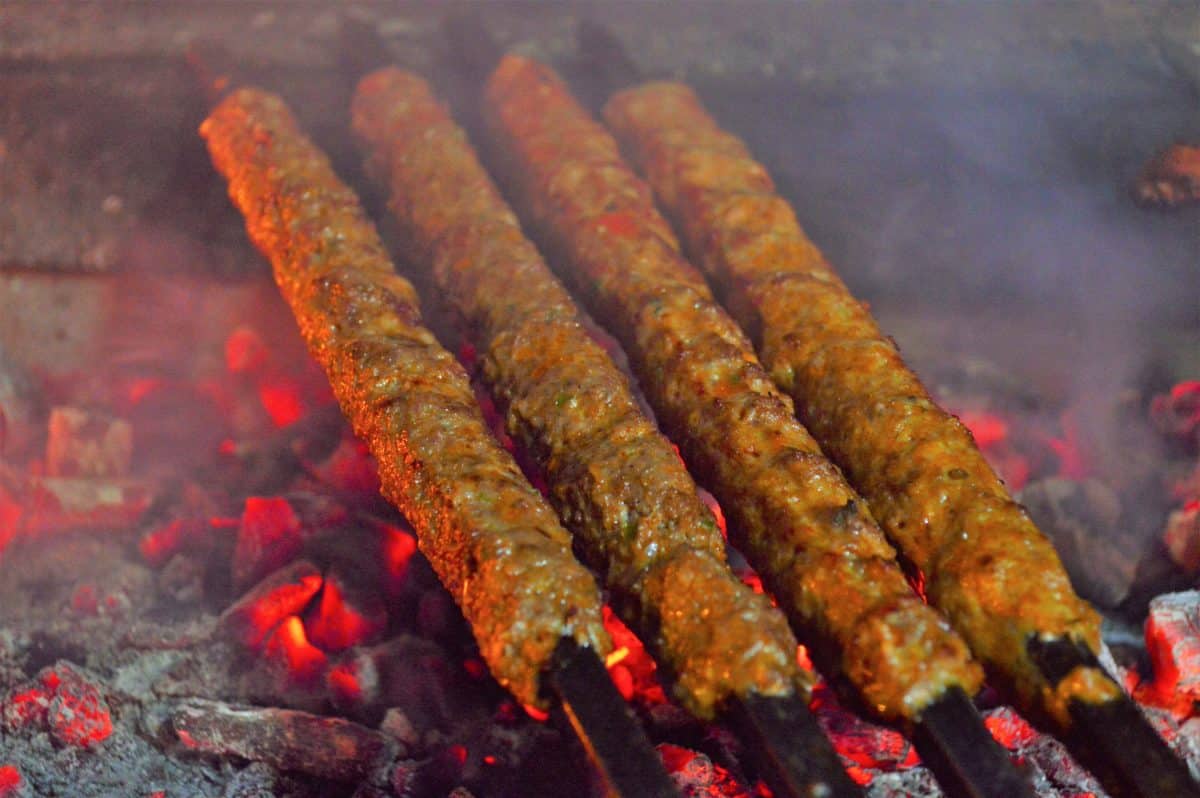
This particular kebab is named after the tools used for their preparation – the tandoor and the skewer or ‘seekh.’
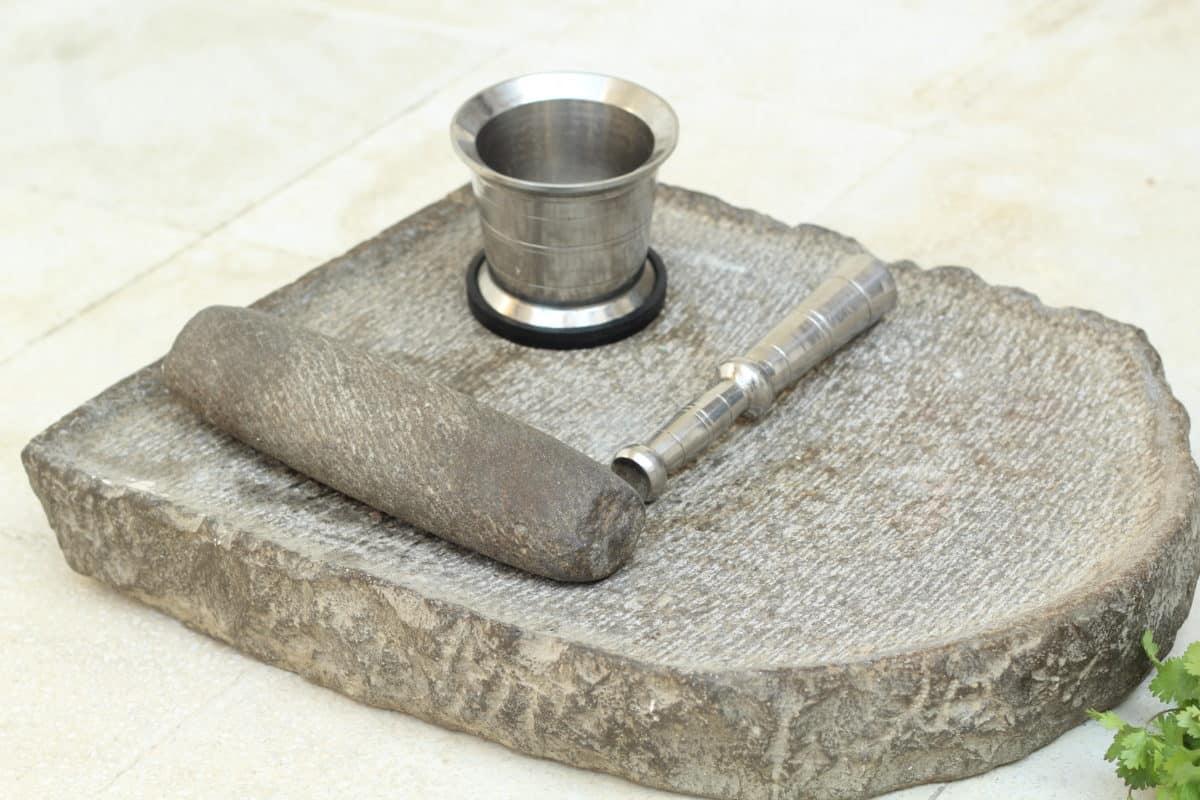
Prepared from finely ground beef (with some fat to keep the moisture), seekh kebabs are a native of the northern half of Pakistan extending into the north of India as well. The traditional method is to grind the meat against a stone with a smaller stone – much like the mortar and pestle or a Masala No Pathar (spice-stone) – until it is completely macerated to a fine pulp, using water, ghee or butter, milk or cream to help it along so the final product is soft. Once cooked it should almost melt in the mouth, in spite of it being a meat dish.
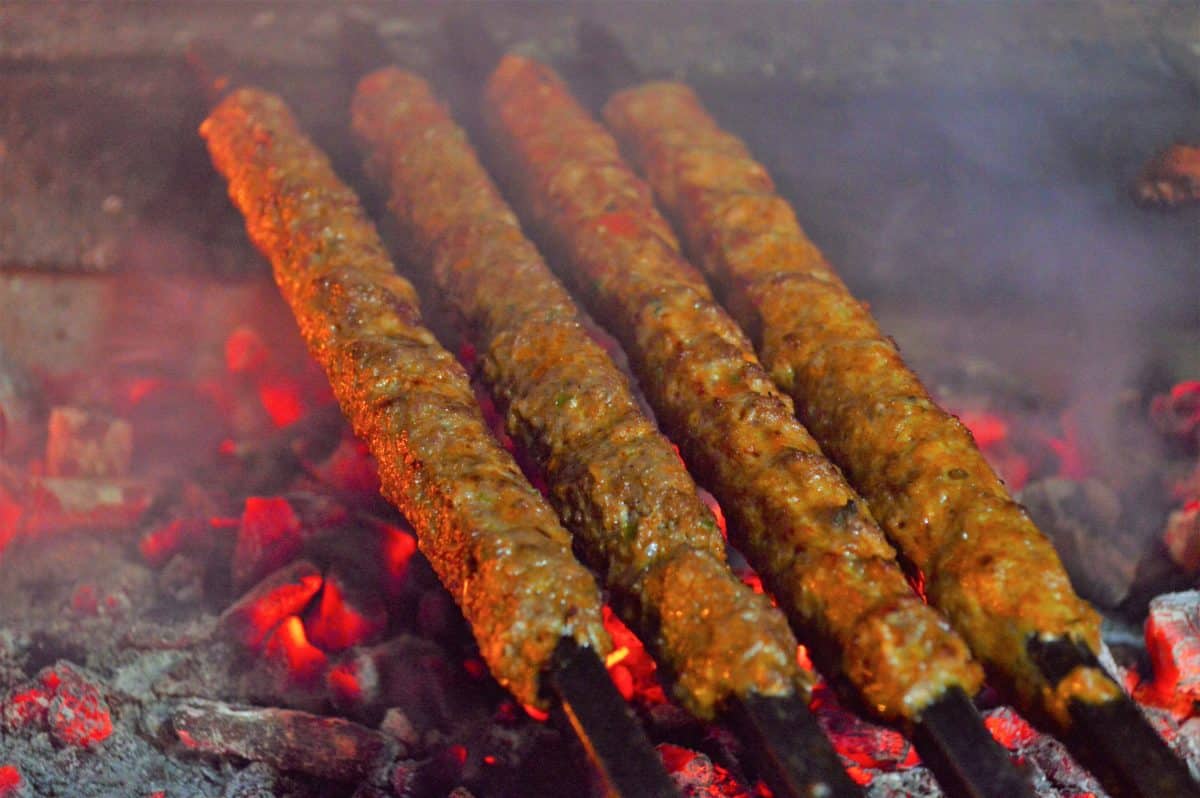
As important as the method of preparing the meat is the method of cooking. Tandoors and open fires are the best options. The aroma of coal enhances flavor, and high temperature and quick cooking time caramelize the surface of the kebabs.
The metal skewer itself emits enough heat within the kebab to cook the meat, while keeping it soft and pinkish. The blazing heat from the outside is meant to crisp and caramelise just the outer kebab forming almost a “skin” to keep the kebab together. The true art of a good seekh kebab is how well one manages to skewer it on the seekh; the thinner you can keep the kebab the faster it will cook, the softer and moister the end result.
There are many types of kebabs found in old traditional food of the Persians, Indian, Pakistanis, Afghanis, Turks and the Middle East regions of the world. The choice of herbs and spices as well as the shape and size mainly defines the ‘type’ of kebab it is. Kebabs can be made up of any kind of meat, chicken, vegetables and even paneer/cottage cheese. While the meat kebab can be either minced or in pieces as a whole, the vegetable and paneer kebabs are generally cubed and threaded on skewers.
There are plenty of types of Kebabs that can be described as old traditional food of the Persians, Indian, Pakistanis, Afghanis, Turks and the Middle East regions of the world. A commonly prepared and mainly considered a timeless street food, the kebab continues to be just as popular today. From food trucks to cafes, fine dining and hotel restaurants, everyone seems to have it on their menu. The choice of herbs and spices as well as the shape and size mainly defines the ‘type’ of kebab it is. Kebabs can be made up of any kind of meat, chicken, vegetables and even paneer/cottage cheese. While the meat kebab can be either minced or in pieces as a whole, the vegetable and paneer kebabs are generally cubed and threaded on skewers.
Tandoori Seekh Kebabs

Ingredients
- •1 large onion
- •6 ml (1¼ teaspoons) salt
- •120 ml (½ cup) packed fresh coriander leaves
- •5 leaves of fresh mint
- •2.5 ml (½ teaspoon) garam masala
- •3 green chillies
- •1.2 ml (¼ teaspoon) turmeric
- •6 ml (1¼ teaspoon) red chili powder
- •.9 ml (1 teaspoon) cumin powder
- •2.5 ml (½ teaspoon) tamarind paste
- •2.5 ml (½ tespoon) jaggery or brown sugar
- •7.3 ml (½ tablespoon) ghee or clarified butter
- •22 ml (1½ tablespoons) cream
- •59 ml (4 tablespoons) bread crumbs
- •1 egg
- •4.9 ml (1 generous teaspoon) garlic paste
- •4.9 ml (1 teaspoon) ginger paste
- •1 kg (2.2 pounds) ground meat


Preparation
In a food processor blend all ingredients until smooth, adding a few ingredients at a time to ensure everything mixes well.
Remove to a working bowl and refrigerate for a few hours until chilled.
3. Mix well and divide into 24 equal parts. Wet your hands and skewer it up.
4. To skewer, take a wooden spoon with a rounded handle. Prepare each kebab to wrap around the spoon, gently slide the kebab and place on a lined tray. Keep it chilled until ready to cook.
5. To cook; make your griddle or skillet screaming hot. Add a spoon of canola oil/ghee. Place each kebab carefully, ensuring they do not touch each other. Cook it on a high flame. Turn it after a minute, being very gentle. It will cook very quickly. After both sides are nicely browned, cover and lower heat. Adding a few drops of water once browned, will allow the pan to deglaze and once covered, help keep the kebabs soft and moist. Cook for another 3 minutes. Do not overcook, as they will get dry and hard.
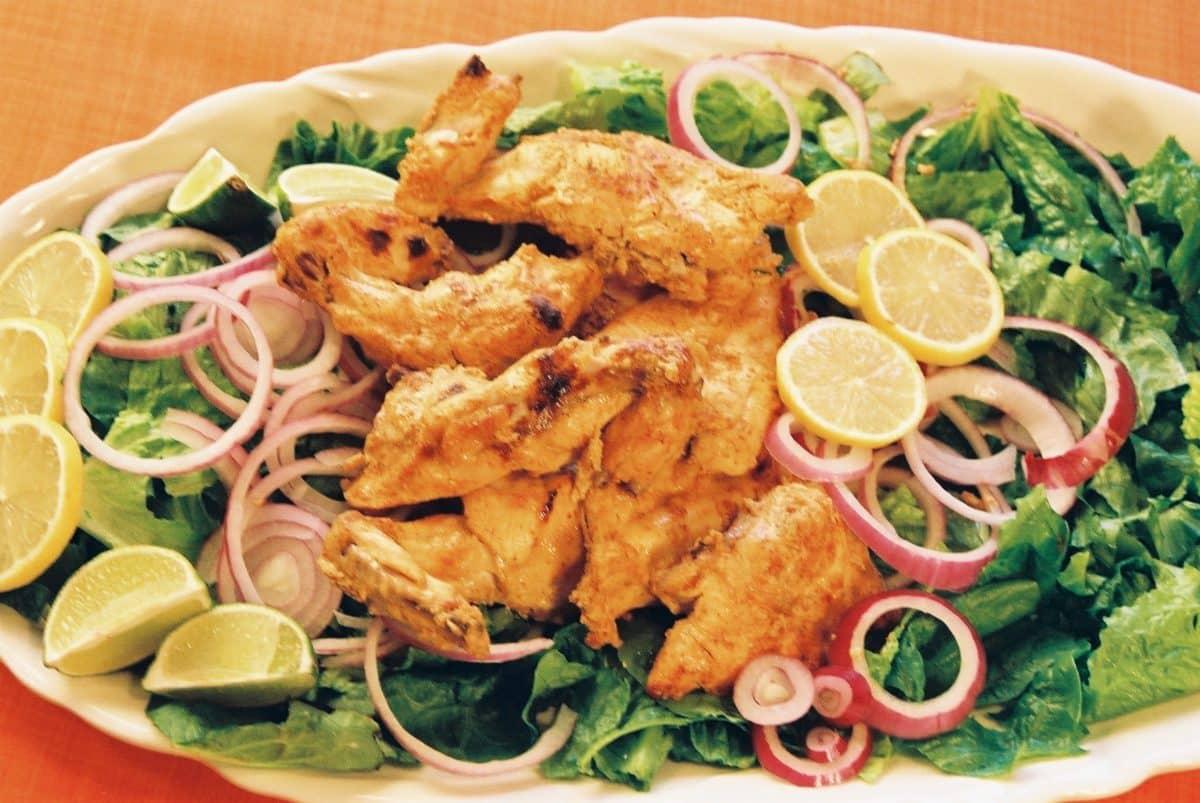
6. If desired, serve with warm naan, a salad made up of sliced onions, tomato and a date, tamarind chutney, green chutney and a squeeze of lemon.
Tips
Note: Chilling the kebab mixture before trying to skewer it helps it stick easier. Keep it as thin as possible.