

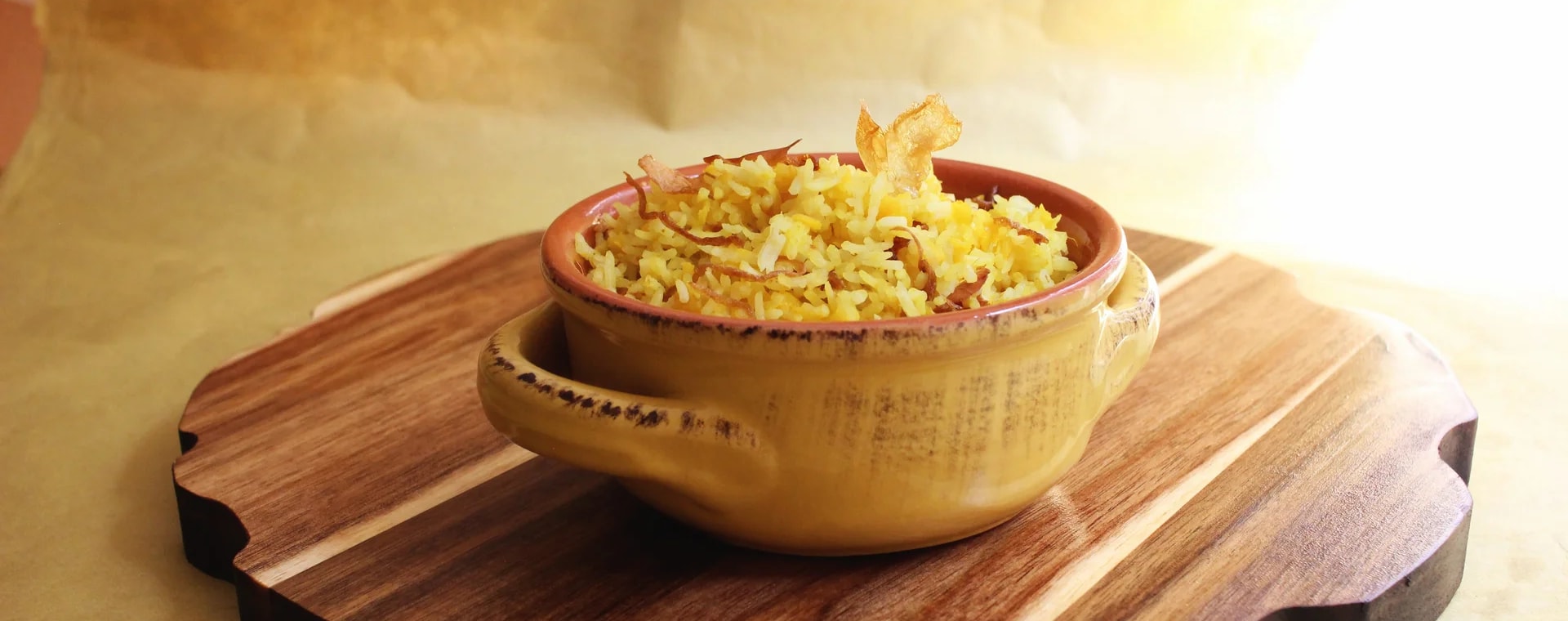
Khichri, Khichree, khichdi, is one of the oldest foods in the Indian subcontinent, having stood the test of time. 'Khichri' is derived from the Sanskrit word 'khiccha': it is rice with lentils seasoned with turmeric and salt, which has endless variations in taste and texture.
Khichdi may have begun as a comfort food or a simple everyday dish, but it has a long tradition of a diverse culture. Cooked with local ingredients and individual preferences, it remains a staple in India, Pakistan, Bangladesh, Sri Lanka and Nepal, where a bowlful of steaming khichri is savoured by the spoonful! British colonists chose to anglicise the khichri, which is where kedgeree originated. There is no one technique to cook khichri; it has a broad range.
While Parsis typically make a basic khichri of rice and lentils to accompany their macchi no saas, there are various options. They embrace it as a dish served in the days leading up to the wedding feast when they have a dinner of khichri ni reet, and yet it is never served at a wedding or any auspicious occasion. Mild to the palate, it is served with spicier dishes like patiyo, kheemo, and dahi ni kudhi or even cooked in “one pot” with prawns or whole mangoes for the vegetarian. Adding whole warm spices and crisply fried onions or even a handful of fresh coconut is a choice. I'm going to share my version of adu ni khichri, which was inspired by one of my many travels, this time to a wedding in Negombo, known for its long sandy beaches and centuries-old fishing industry. Negombo is a sleepy village on the Negombo Lagoon, fed through the Dutch Canal that leads to the Indian Ocean on the outskirts of Colombo, Sri Lanka. I discovered this gingery khichri served with a delicious white prawn curry, which was bold and generously laced with a local liquor called Arrack. Whichever one you decide to try first, it’s a rice delicacy that is gaining popularity worldwide – a pot of culinary choices.
Aadu ni Khichri | Ginger and Lentil Rice

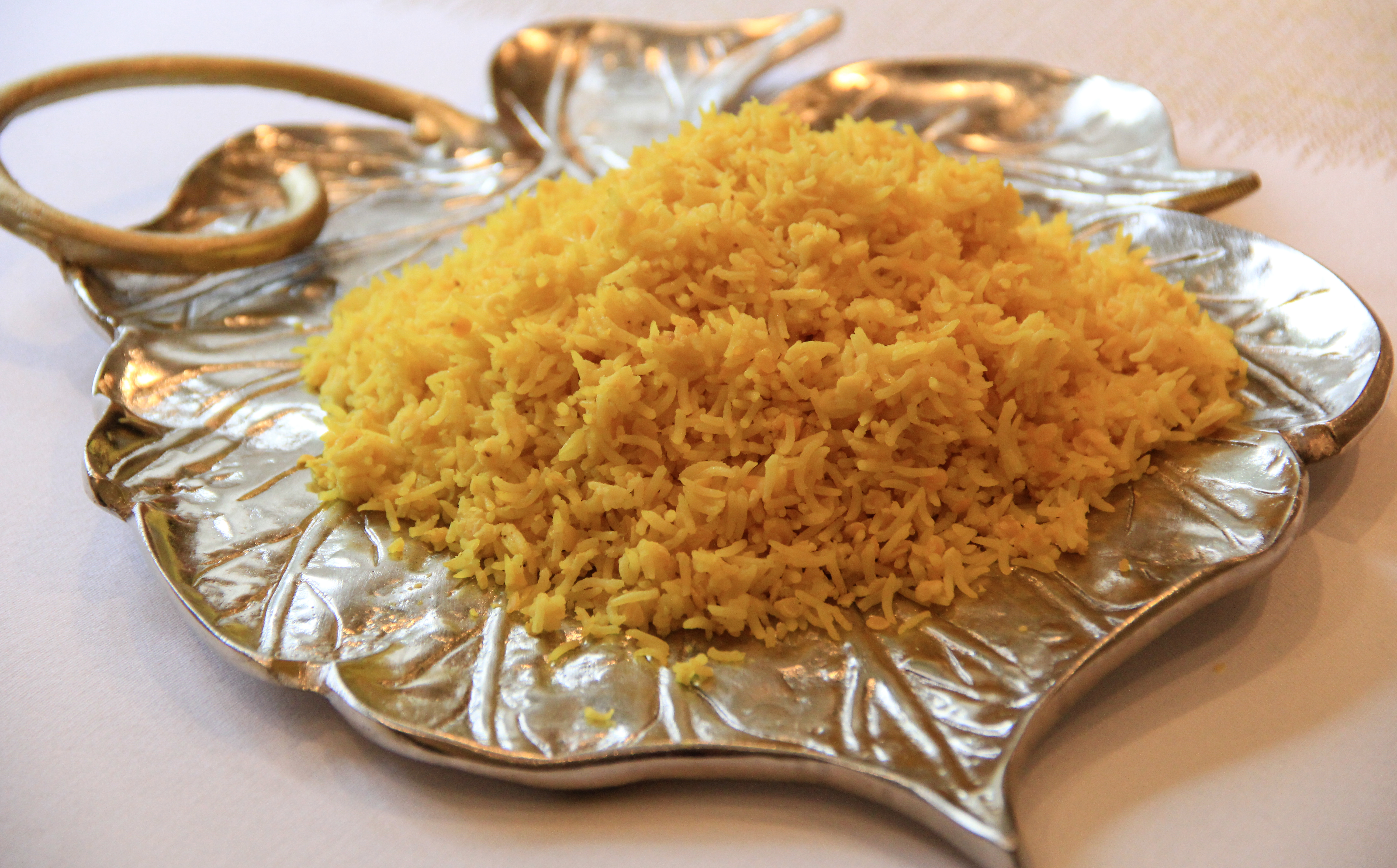
Ingredients
- •4 oz (1/2 cup) red split masoor daar (lentils)
- •370 g (2 cups) rice
- •2 teaspoons vegetable oil
- •2 teaspoons freshly grated or crushed ginger (see Note)
- •1 1/2 teaspoons fine sea salt
- •1 teaspoon ground turmeric
- •475 ml (2 cups) coconut water
- •30 g (1/2 cup) thinly sliced fried onions
- •Freshly grated coconut, for serving (optional)
Note: Fresh ginger may be adjusted according to taste. If fresh ginger is unavailable, substitute 1 teaspoon ground ginger.
Ground ginger loses potency during storage. Smell it before using; if its aroma is faint, add a little more. Briefly warming ground ginger in the oil before adding the rice can help release its aroma.
For additional seasoning, add a cinnamon stick, a few black peppercorns, whole cloves, or green cardamom pods with the rice. Remove whole spices before serving.


Preparation
Wash the lentils and rice together until the water runs clear; drain well. Heat the oil in a medium saucepan over medium heat. Add the rice, ginger, salt, and turmeric. Stir for 1 minute. Add the coconut water and 475 ml (2 cups) water. Increase the heat and bring to a boil. Cook uncovered over high heat until most of the liquid has evaporated and the surface of the rice is visible.
Cover the saucepan tightly and reduce the heat to low. Cook for 22 minutes. Remove the saucepan from the heat and fluff the rice gently with a fork. Garnish with the fried onions or freshly grated coconut and serve.
Tips:
Fresh ginger pulp gives this dish a wonderful aroma and flavour; adjust the ginger according to your palate. However, a teaspoon of ginger powder can be used as a substitute.
Ginger powder loses its potency when stored for a long period of time. Smell it before adding it. If it is not pungent to the nose, add more than a teaspoon. Before adding it, heat it in warm oil to bring the stale ginger powder to life.
Other options to flavour the rice include a stick of cinnamon, black peppercorns, cloves, or green cardamoms.