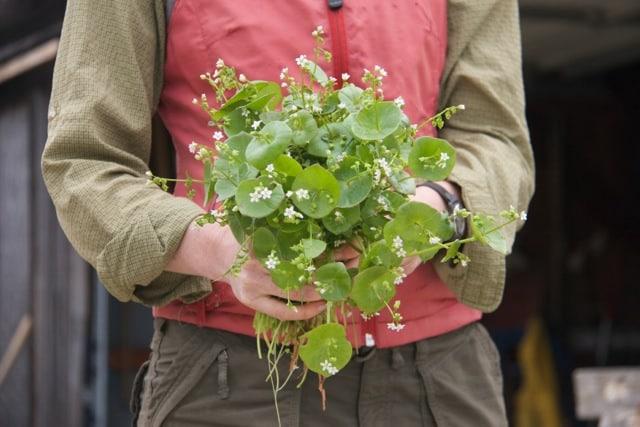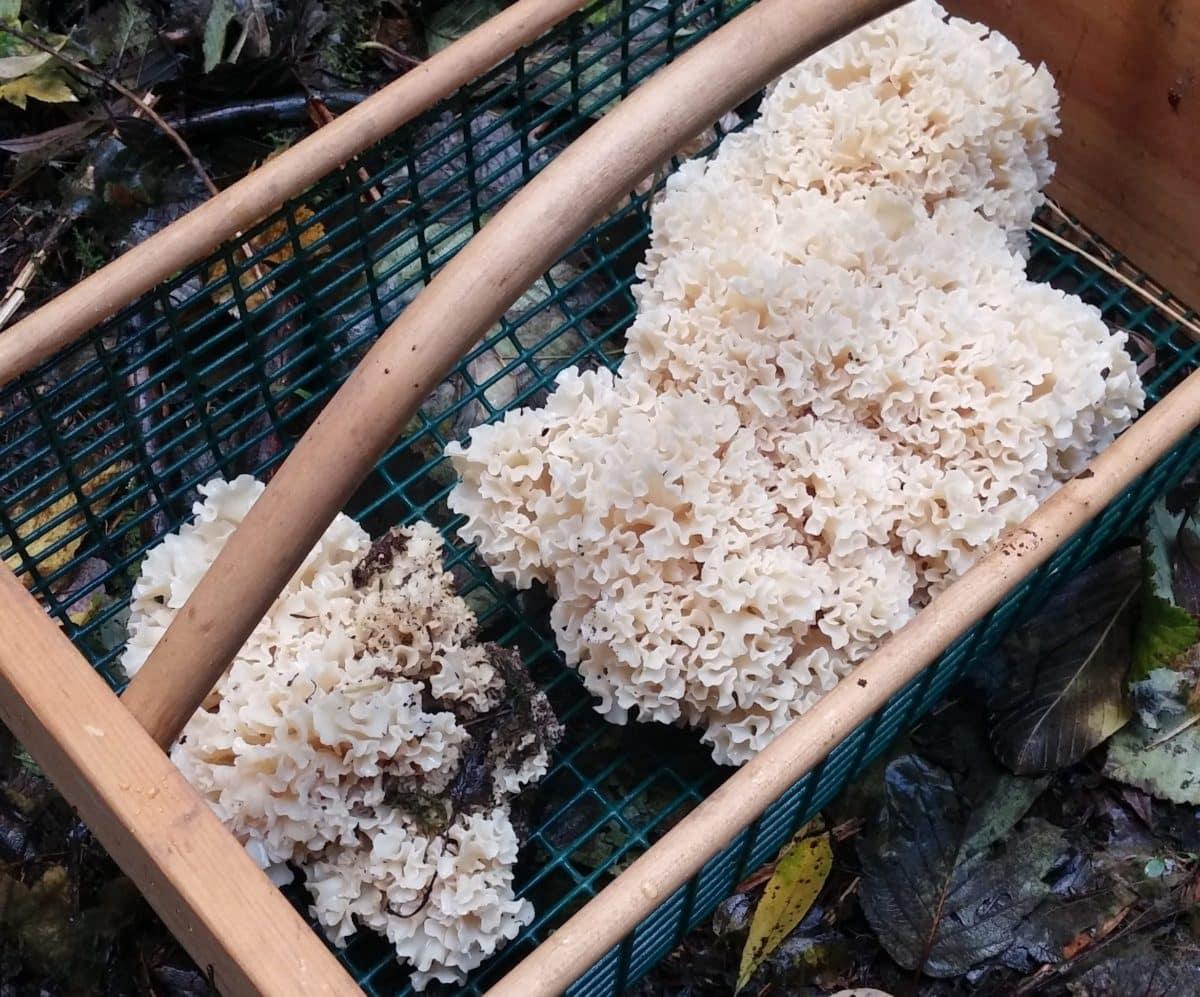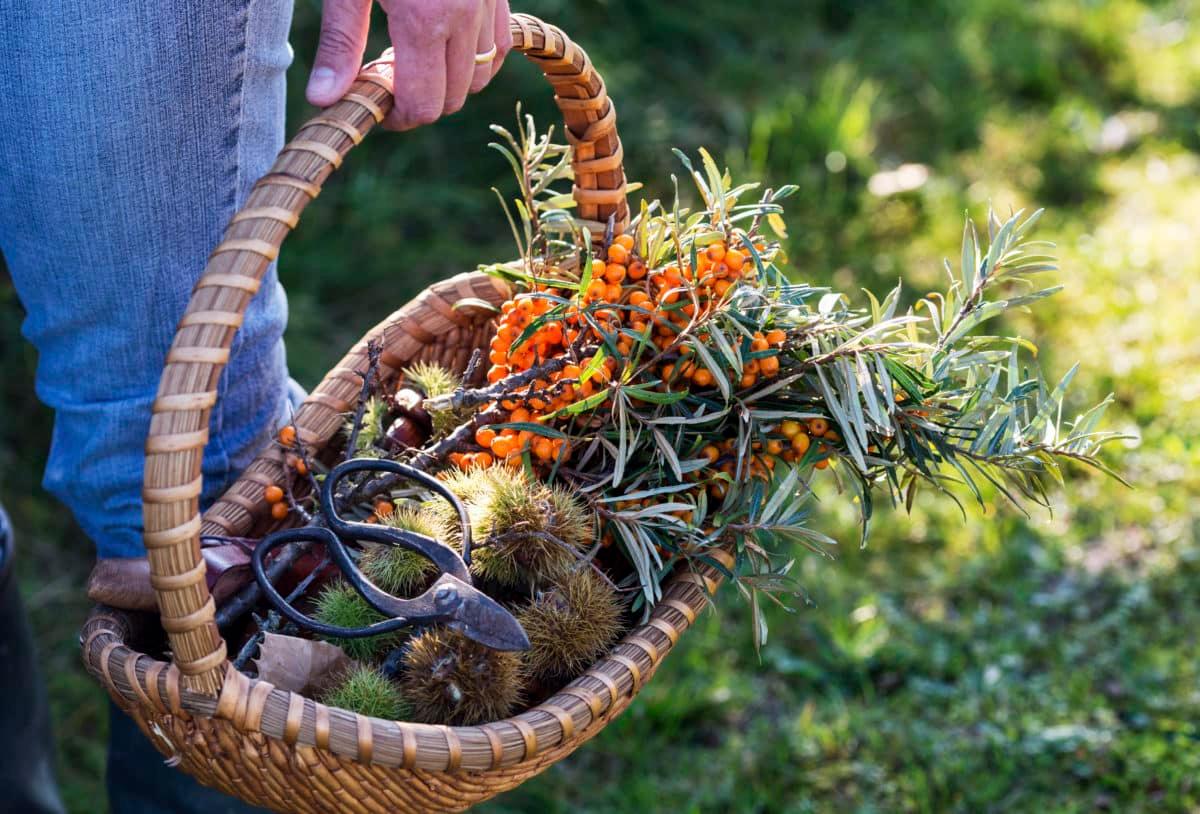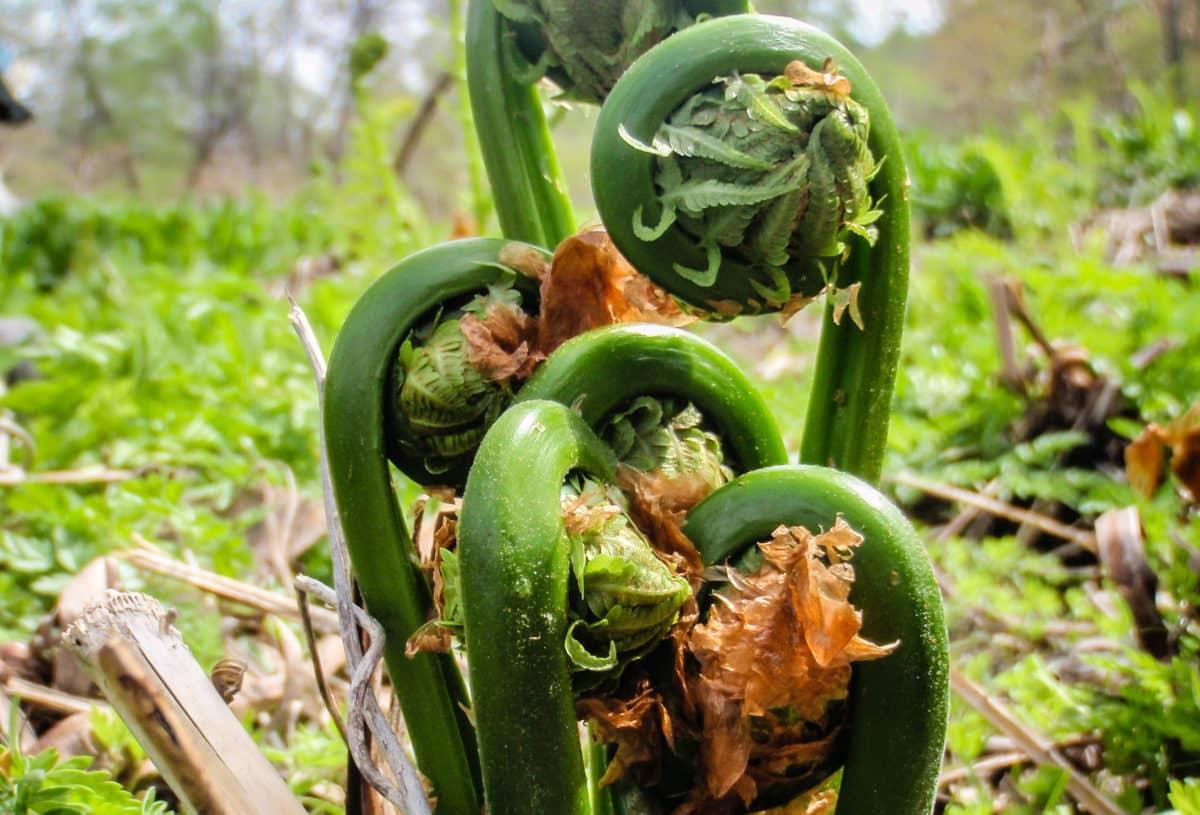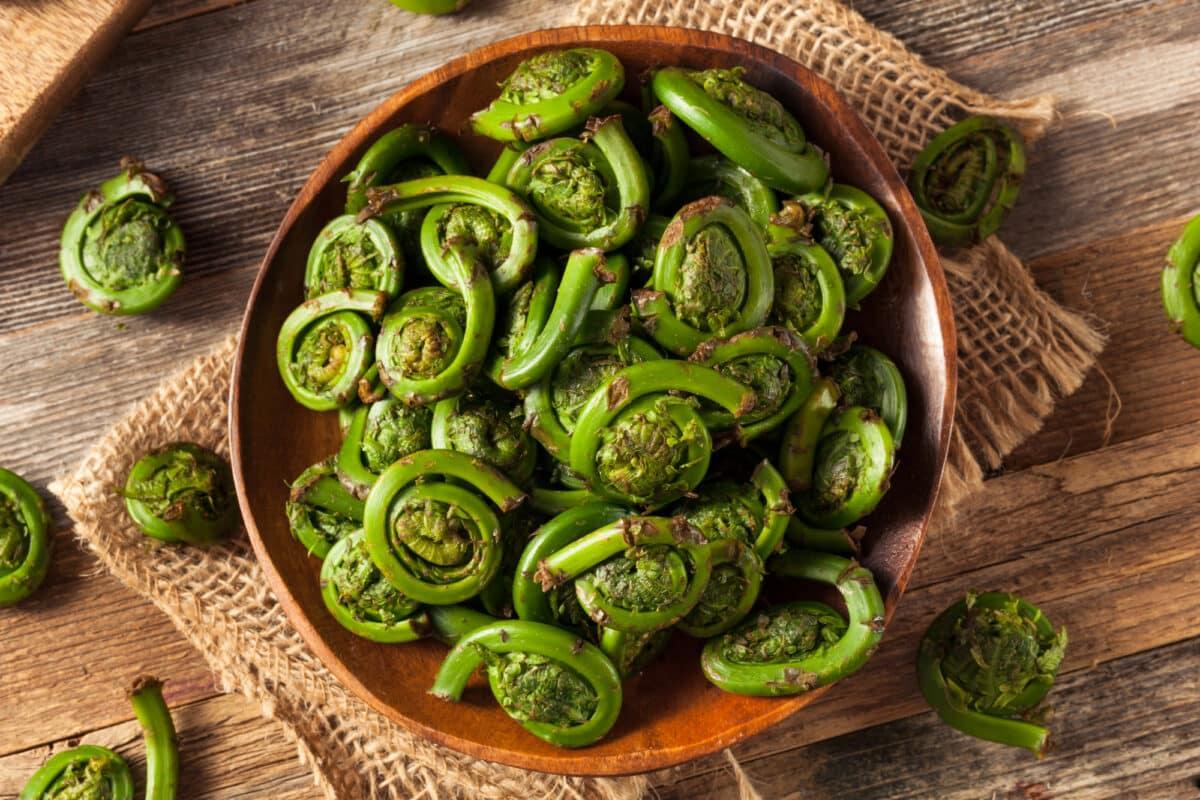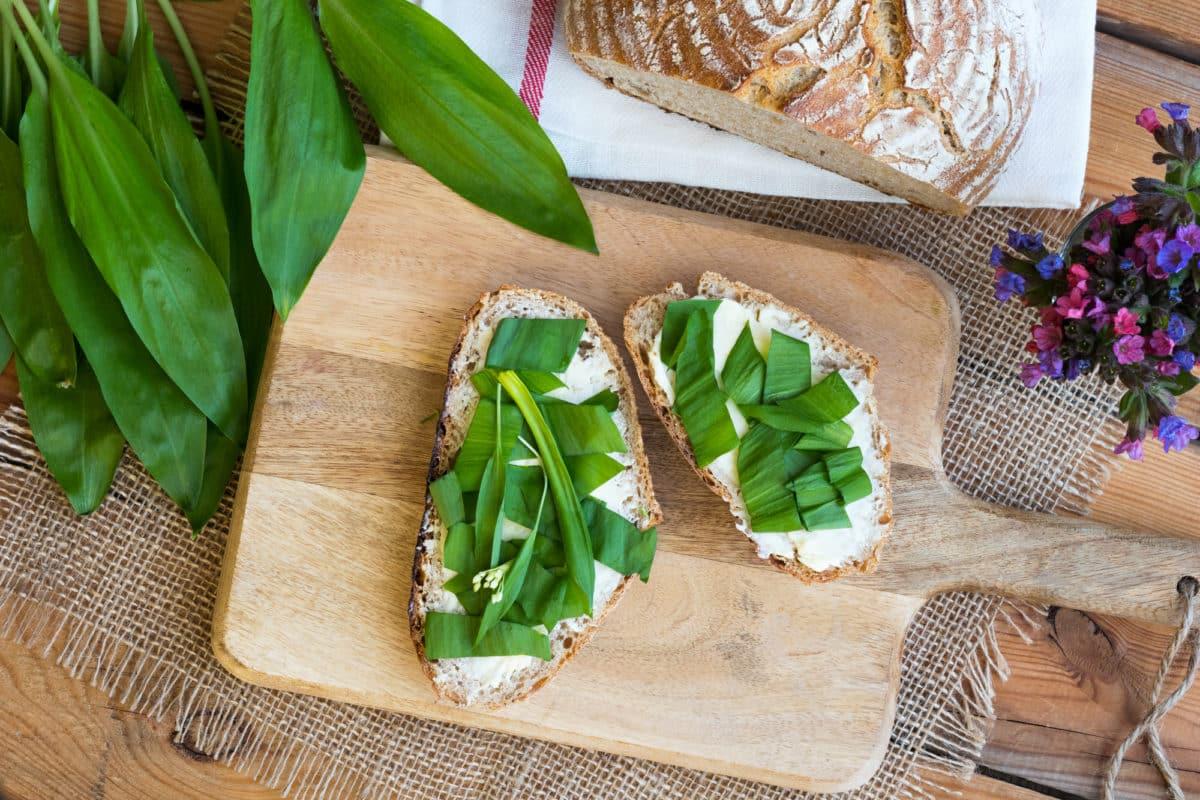

Foraging for edible wild plants and mushrooms is a hot topic right now: restaurant chefs are eager to include ramps and fiddleheads on their menus, urban farmers’ markets sell purslane and nettles, and several new foraging books have been released this year. But is it just a fad?
Quite the opposite.
Up until the mid 20th century, even city dwellers had some basic knowledge of at least a few safe-to-eat wild plants. They may not have used that knowledge daily, but they had it when they needed it. For example, during World War II, people on war rations in the United Kingdom scoured the hedgerows and even London’s Kensington Park for blackberries and wild leafy greens. In a similar situation today, how many of your friends would know which plants were safe to eat if they needed to?
In many cultures, foraging know-how has continued uninterrupted right up to today. Restaurant menus in even the most touristy neighborhoods of Athens proudly feature horta (wild greens) on their spring menus. Mushroom hunting is still common enough in France that pharmacists are trained to be able to confirm the identification of any wild mushroom that someone brings in. All over Asia, people collect the edible seed kernels inside otherwise inedible ginkgo fruits. (Those communities do the same with New York City’s ginkgo park and street trees, much to the confusion of their neighbors who are repelled by the odorous fruit.)
You don’t have to be a hunter-gatherer in order to make foraging a part of your daily diet. In most cultures, it is simply one piece of the jigsaw puzzle that is a sustainable food system. You might buy most of your food from the local market and grow a few of your own herbs and vegetables, but most of us also pick berries when they are in season and know what to do with wild dandelion greens.
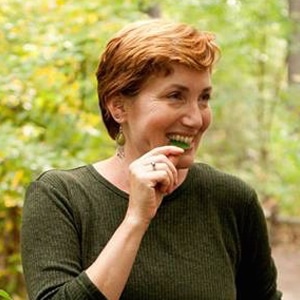
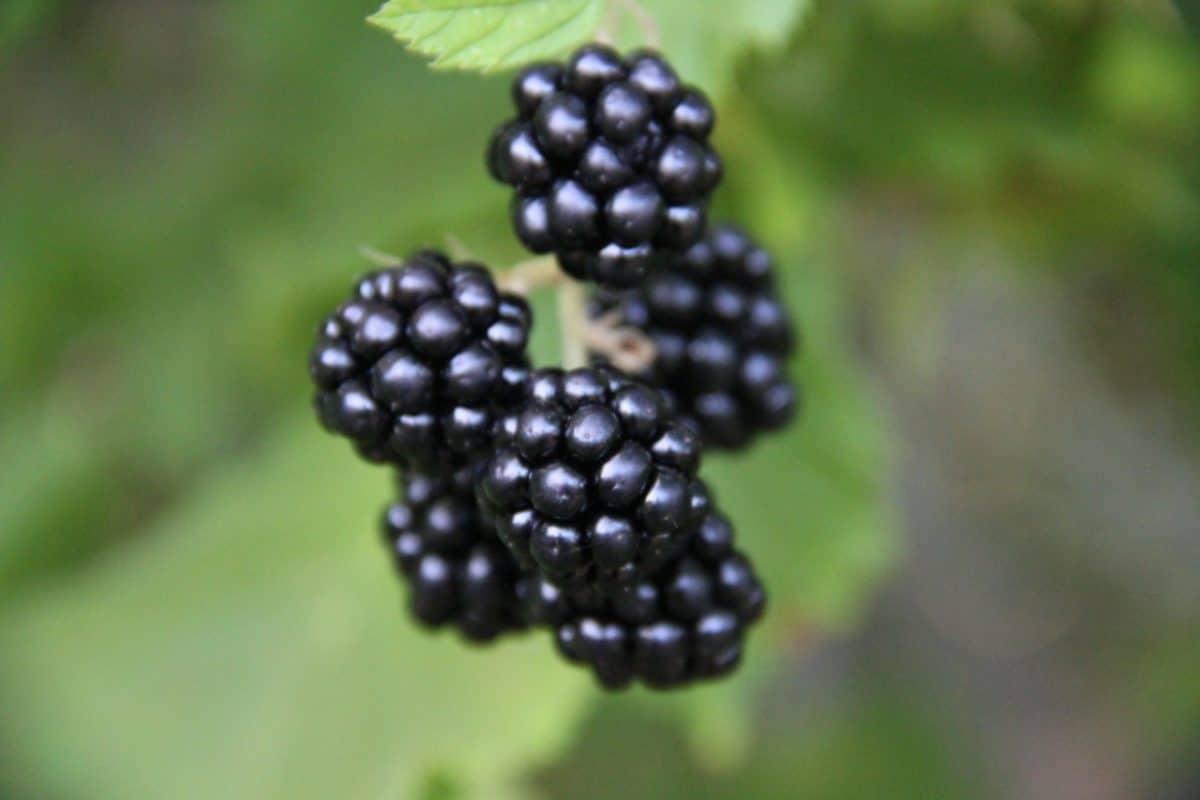
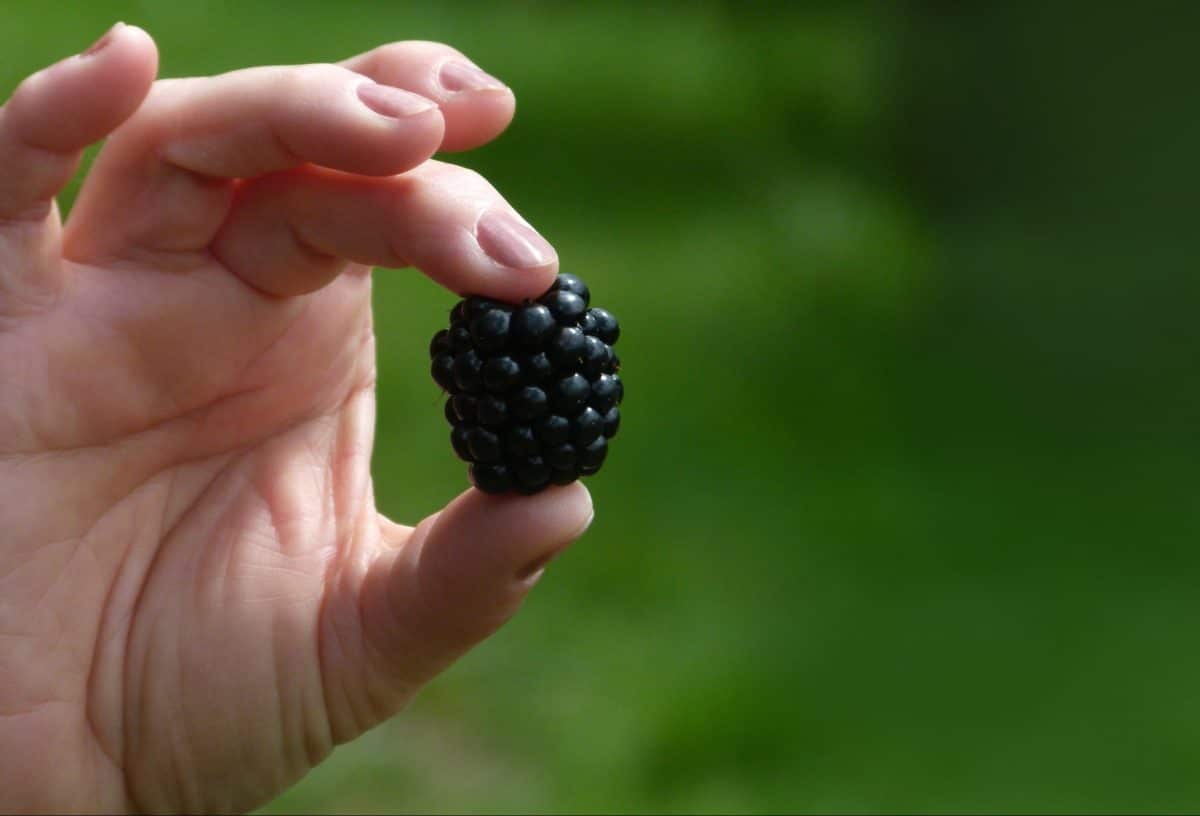
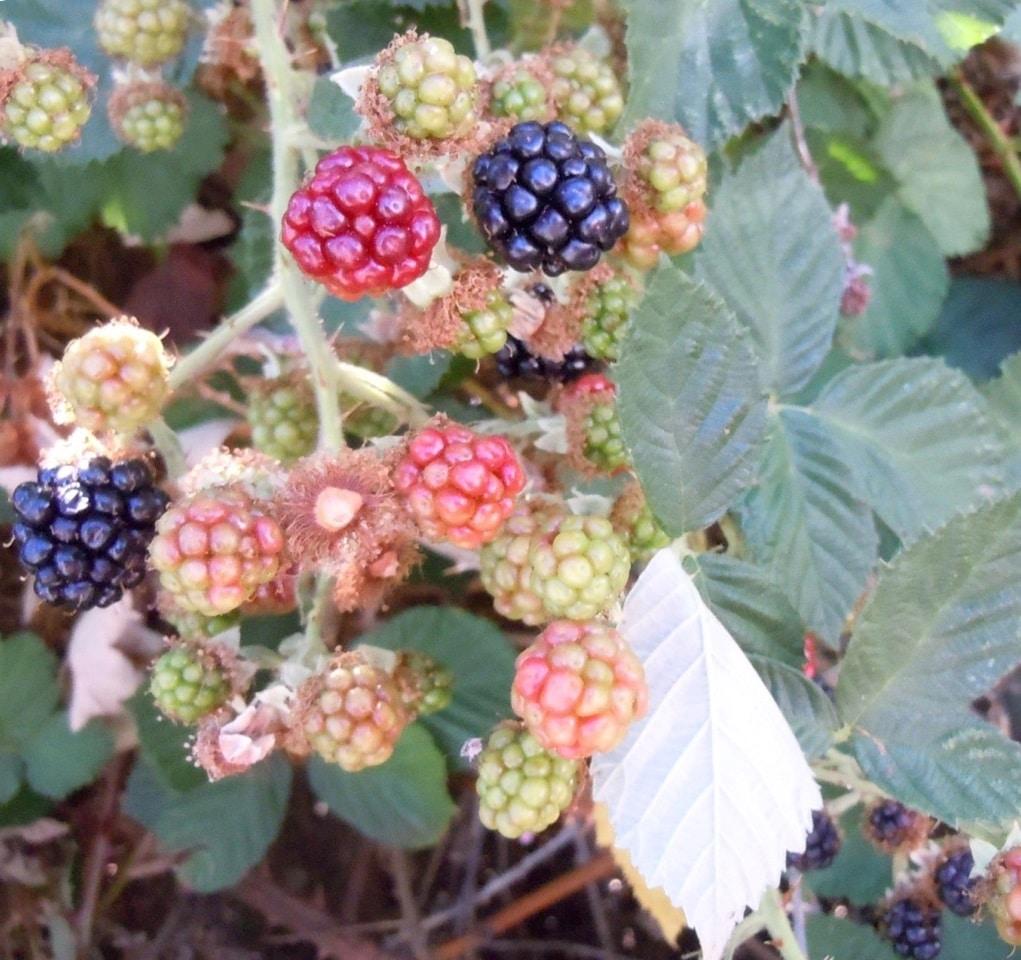
Recently I was hired as a wild foods expert to teach foraging to a group of fifth graders at a summer camp. They were also learning canoeing and fishing and other activities. My foraging session was part of the weekend. There was a pancake-house restaurant adjacent to the motel where I was staying. Just behind it was a big patch of blackberries. It was late summer and therefore peak blackberry season. Perfect, I thought. We’ll do the foraging class and at the end we’ll pick blackberries and then enjoy them on our pancakes at the restaurant.
Not one of the parents or camp chaperones would allow the children to eat the blackberries. Keep in mind that they were paying me, as a foraging expert, to teach their kids. Wait: It gets worse.
On each table in the restaurant were three brightly colored bottles of syrup. Guess what one of them was? “Blackberry Flavored Syrup.” The syrup was completely artificial, with not a speck of real blackberries in it. The kids were allowed to eat the syrup, but not the berries they’d just harvested.
There are many reasons why foraging is a popular topic right now. These include foodie interest in unusual ingredients that often can’t be bought (or are pricey on the rare occasions when they are available for purchase). There is also interest from zombie apocalypse preppers who are eager for survival skills. And hey, it’s free food.
And there are benefits to foraging that will keep people foraging for edible wild plants and mushrooms long after general interest fades.
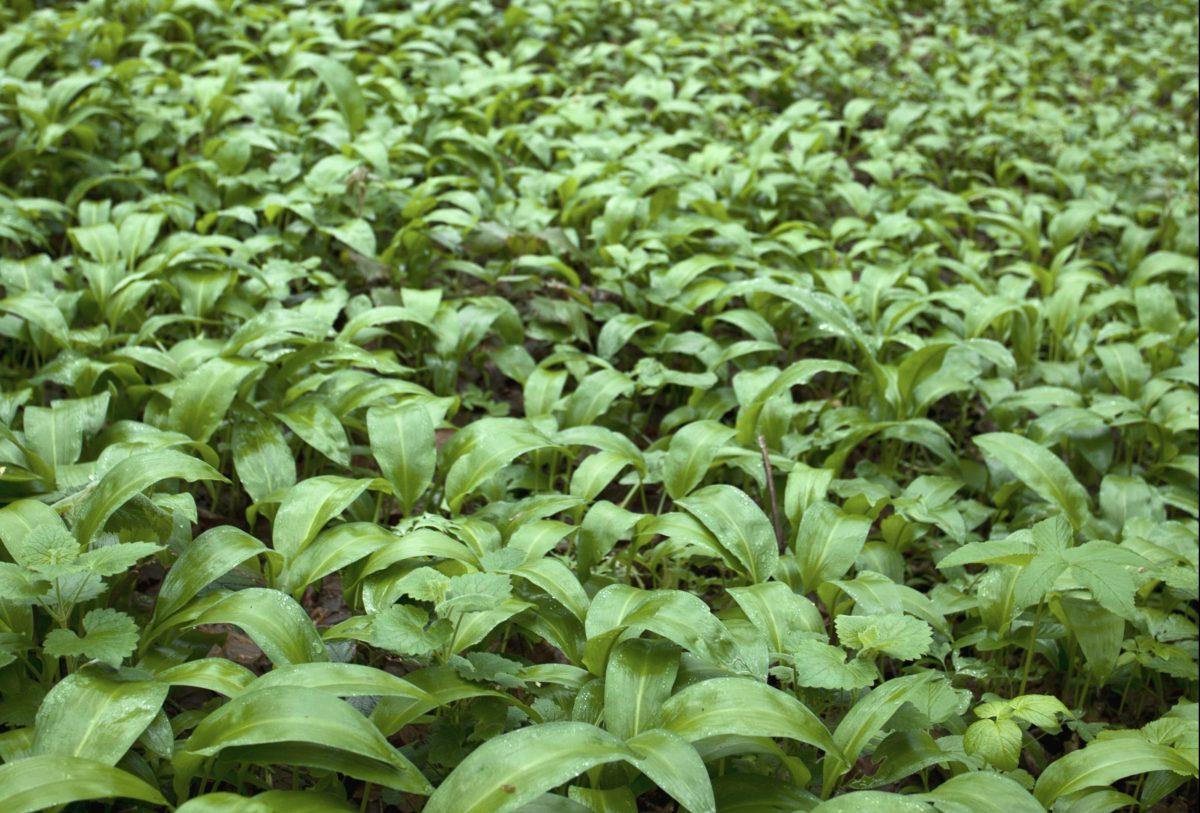
A good forager can actually help the ecosystems they gather from to thrive. What is “a good forager”? Someone who understands the difference between an invasive species (usually non-native) that can be harvested freely versus a slow-growing native species that perhaps shouldn’t be harvested at all in some areas. For instance, field garlic (Allium vineale), an invasive species, versus ramps (Allium tricoccum), which are endangered in some places because of overly enthusiastic harvesting.
Foraging is the ultimate in local, seasonal eating. Mulberry trees will have fruit for only a few weeks, and morels won’t be around once spring turns into summer. Not only does foraging reduce your carbon footprint by adding to your diet local ingredients that grew without fertilizers, pesticides, and herbicides (or petroleum fuel spent shipping them to you), it provides you with nutrient-dense foods direct from nature.
It is good that foraging is trendy right now. Maybe that will help return it to be the essential component of a sustainable food system that it once was.
First published August 2016
Blackberry Shrub

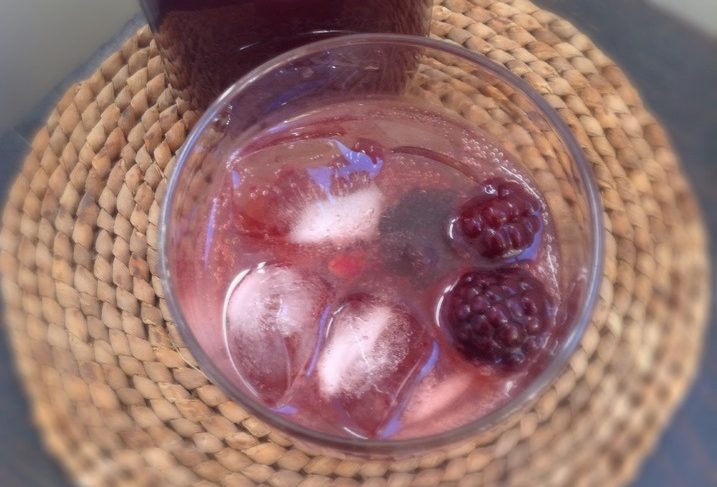
Shrubs are a way of preserving fruit juices via sugar and vinegar, to make refreshing beverages both alcoholic and non-alcoholic. Shrubs were very popular centuries ago, and are now regaining some of that lost popularity because they are very versatile and surprisingly tasty (“surprisingly” because most of us are unused to drinking vinegar). No self-respecting forager who is also a mixologist would be without a shrub or two in their pantry.
Ingredients
- •220 grams (8 ounces) fresh or frozen blackberries
- •200 grams (8 ounces) sugar
- •237 ml to 355 ml (1 to 1½ cups) apple cider vinegar or champagne vinegar
*Metric conversions by The Cook’s Cook


Preparation
Mix together the blackberries and sugar. Cover and refrigerate for 24 hours. Stir well and then cover and refrigerate for another 24 hours. By this time the sugar will have drawn most of the liquid out of the blackberries.
Strain out the liquid (you can reserve the blackberry solids to make blackberry vinegar). Measure the liquid and add an equal amount of apple cider or champagne vinegar (or best yet, blackberry vinegar, if you happen to have some on hand).
Put the mixture into a clean glass jar, cover, and refrigerate for at least a week, longer if you can convince yourself to wait. The flavors in freshly made shrub are too segregated to be enjoyable; the vinegar and sugar jump out at your taste buds, muting the fruit flavor. But with time (three months aging is not too much), the flavors harmonize and you have an ingredient that is truly pleasurable to consume.