
As a pasta instructor, one of my goals is to make pasta making approachable. For many people, pasta seems far more intimidating than it needs to be, largely because there is so much terminology, equipment, and conflicting advice surrounding it.
You don't need expensive ingredients to make wonderful pasta. You need to understand the ingredients you are using.
Pasta, at its most basic, is simple: flour and liquid—eggs, water, a vegetable purée, or something else. When you are working with so few ingredients, understanding each one becomes that much more important. My hope is to break down the flour component and demystify it for you.
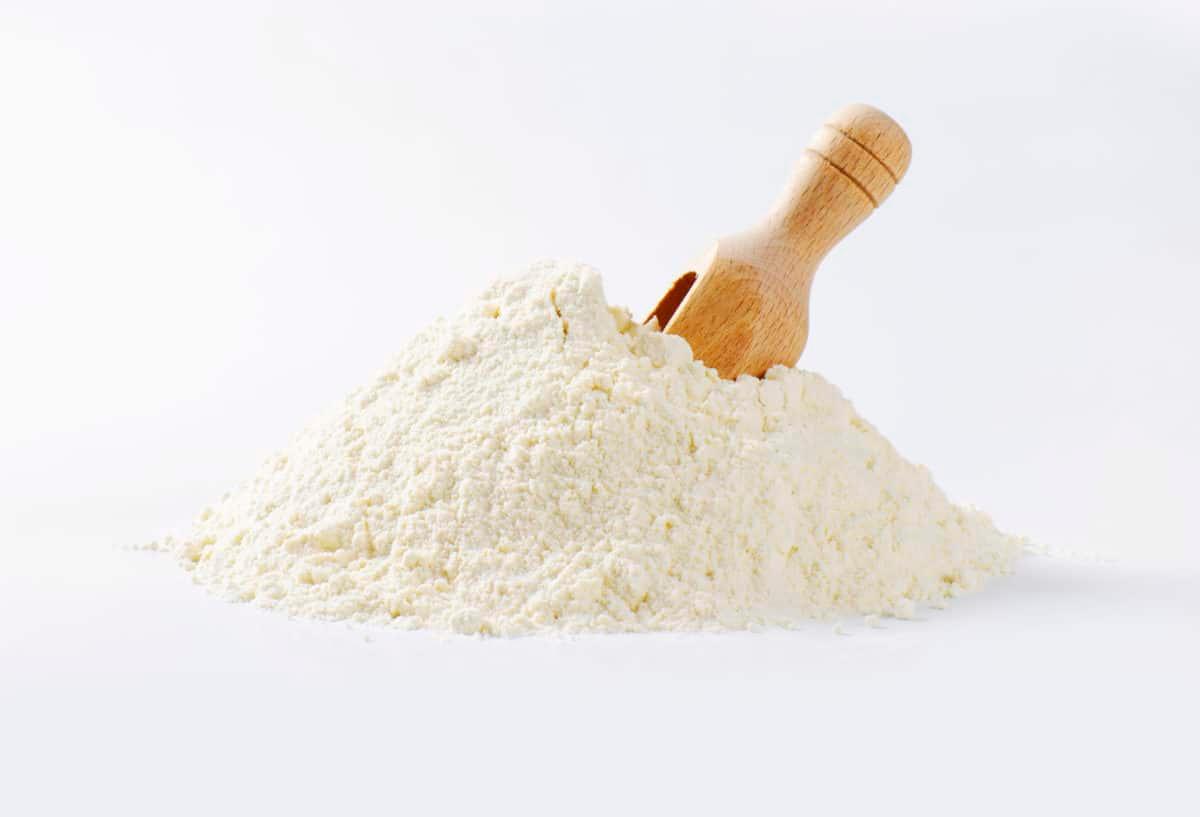
Since flour is one of the main components of pasta, it is important to understand the different types of flour available and why certain flours work well for certain types of pasta. The spectrum of flour labels includes, but is not limited to, all-purpose, Italian 00, 0, 1 and 2, semolina, semola rimacinata, durum wheat, corn, buckwheat, and more. It can be overwhelming!
Each flour is suited to particular types of pasta. I see this in my classes all the time. People either think one flour works for all pasta or, alternatively, that they need a particular Italian flour to make good pasta. There isn't one “best” pasta flour. The right flour depends on the kind of pasta you are making.
A good place to start is with the basic distinction between soft wheat and durum wheat.
North and South Italy: Different Wheat, Different Pasta
Broadly speaking, the pastas of northern and southern Italy often begin with different types of wheat.
The north of Italy typically uses soft wheat flour, which is similar to all-purpose flour. That is why you can use all-purpose flour in many Northern-style pasta recipes. Soft wheat flour generally has less protein than the durum wheat semolina commonly used for many Southern Italian pastas.
Eggs are also a defining ingredient in many Northern Italian pasta traditions, contributing richness, structure, and tenderness to the dough.
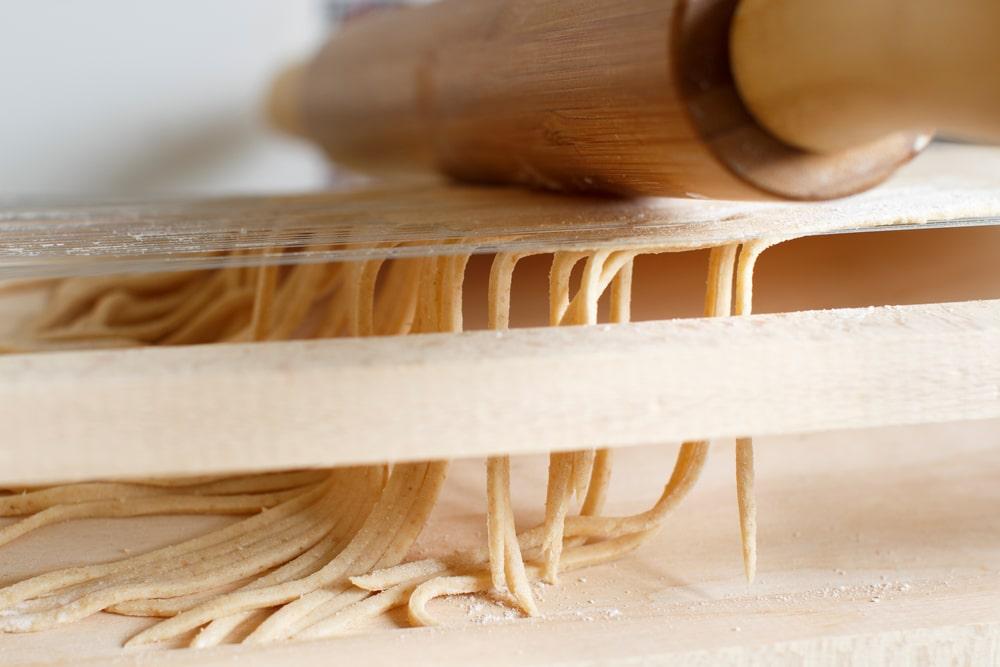
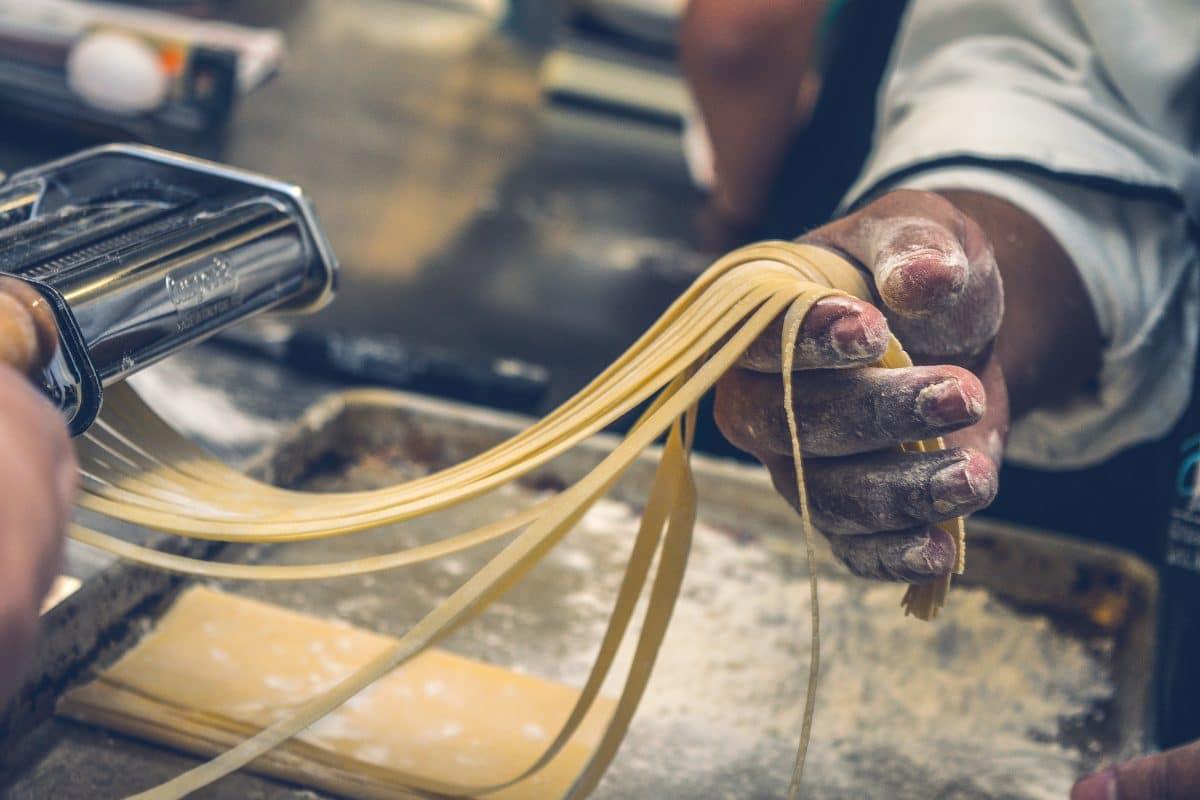
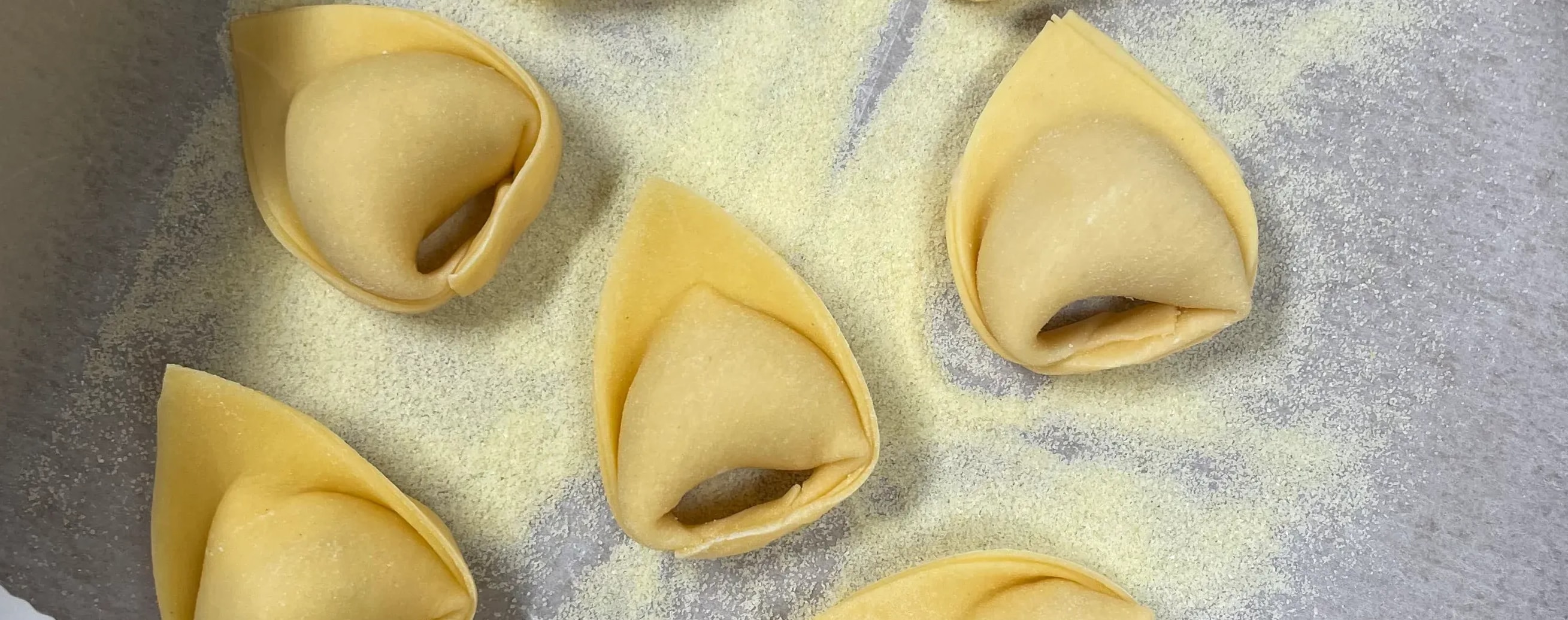
This type of pasta dough is suited for hand rolling with a mattarello—a long rolling pin that can measure about three feet or longer—or for putting the dough through a pasta sheeter, a machine that compresses the dough into flat, thin sheets. Those sheets can then be used for pasta lunga (long-strand pasta such as tagliatelle and pappardelle), lasagne, as well as the filled pastas associated with the region.
In much of southern Italy, a different wheat takes center stage: durum wheat.
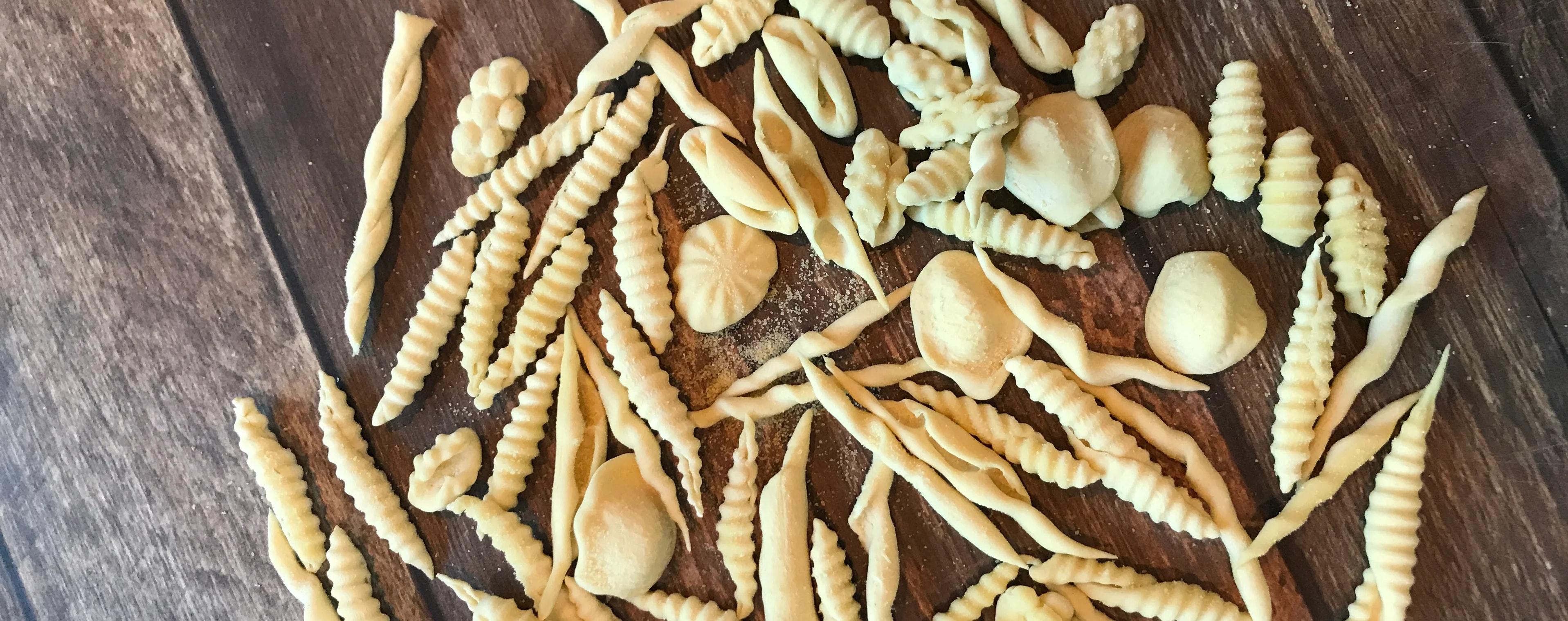
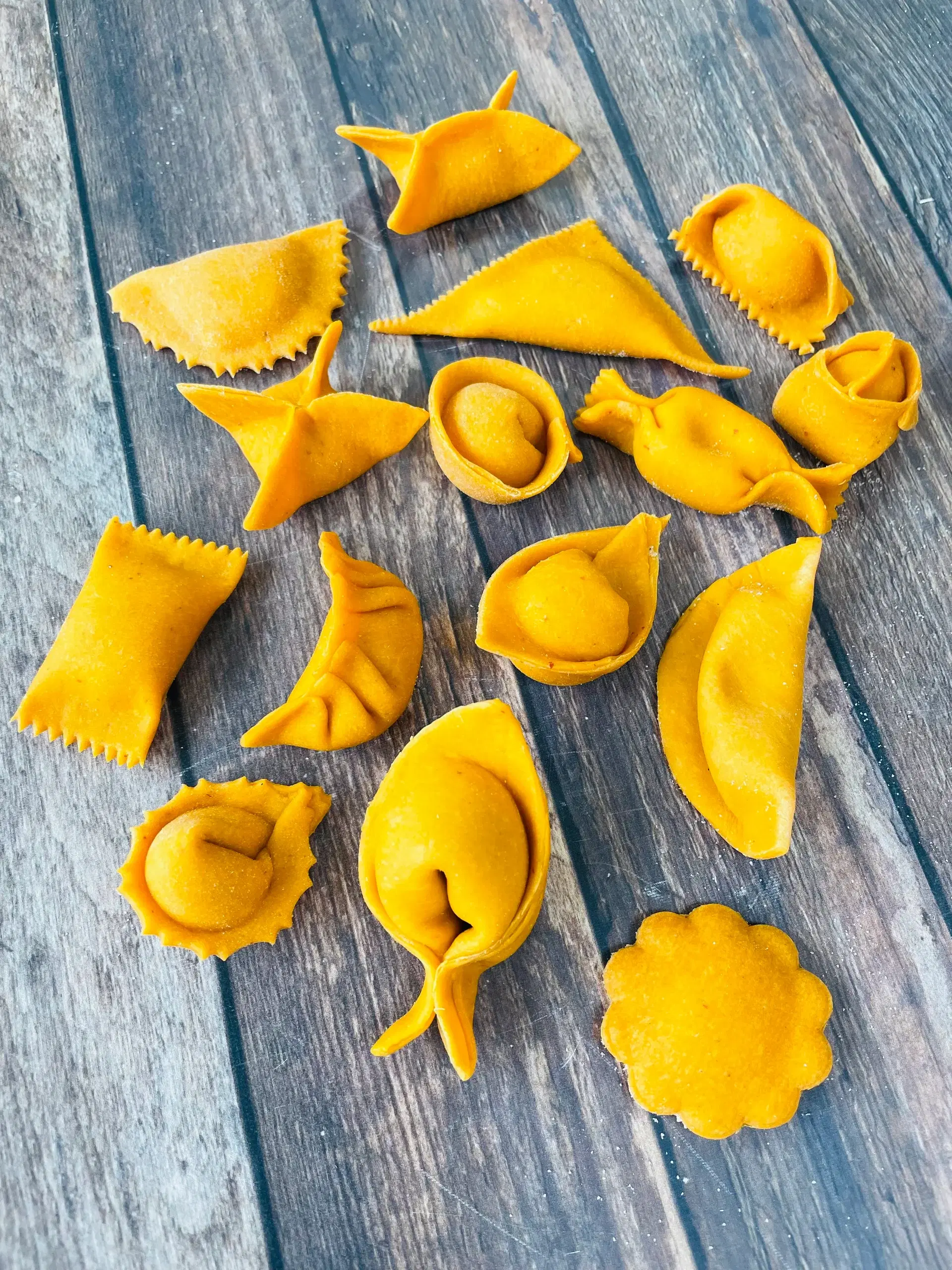
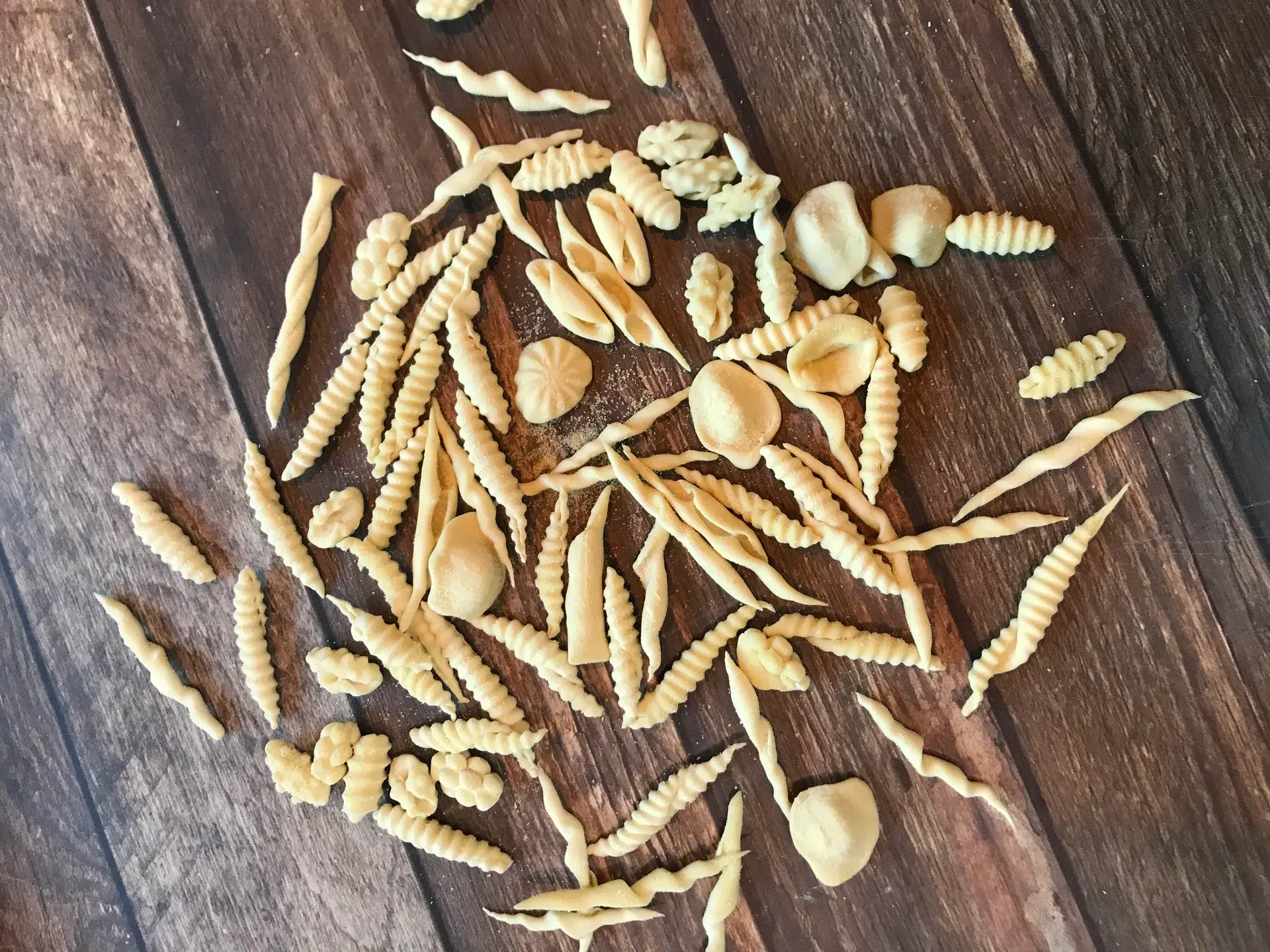
Durum is a hard wheat with a naturally golden color and a relatively high protein content. It produces pasta with more structure and a firm, chewy bite. Southern Italian traditions include many hand-formed shapes made simply with durum wheat and water, such as orecchiette, cavatelli, and countless other traditional hand-formed pastas.
The use of specific flours in each region is not absolute. There are egg pastas that originate in the south, durum-based pastas in the north, and recipes that combine different flours. In my own pasta practice, I routinely use combinations of different flours to achieve a specific pasta result.
But for beginners, understanding the basic distinction between soft wheat and durum is a great starting point. It removes some of the mystery surrounding flour.
Demystifying the Number System in Pasta Flours
One question I hear constantly is: “Don't I need 00 flour to make good pasta?”
There seems to be a lot of confusion about how flour is categorized in Italy.
The numbers on Italian flour packages—00, 0, 1, and 2—refer primarily to the degree of refinement and the amount of mineral content, or ash, remaining in the flour. In general, 00 is the most highly refined and finely milled, resulting in a softer, more powdery texture, while type 2 retains more of the grain's outer components and therefore can feel coarser and also has a higher ash content.
The 00 designation does not mean it is a better-quality flour. It describes the degree of refinement; it does not tell you everything about the flour's characteristics or intended use.
A package labeled 00 does not mean it is specifically for pasta. The designation does not tell you what type of wheat was used or what the protein content is. You can have a 00 flour intended for cakes, with a low protein content, and a 00 flour formulated for bread or pasta, with a much higher protein content. Both are finely milled, and can share the same soft and powdery texture, but they can have very different characteristics and applications.
So don't choose a flour simply because the package says 00. Look beyond the number.
Semolina and Semola Rimacinata: Same Wheat, Different Grind
This can be better understood if we look at durum wheat, which is typical of many Southern Italian pasta traditions.
Both semolina and semola rimacinata come from durum wheat. The primary difference is the texture created by milling. Semolina is relatively coarse and granular—the sandy, yellow product often used for dusting pasta. Semola rimacinata, literally “re-milled semolina,” has been milled again to produce a much finer texture.
When making pasta dough by hand, which I always do when teaching pasta students, I typically choose semola rimacinata because its finer texture incorporates more readily with water and is much easier to knead by hand. Coarse semolina can certainly be used as well, but it takes a bit more elbow grease and can be hard on the wrists!
Why the Flour Changes the Pasta
A tender sheet of Northern-style egg pasta and a chewy, hand-formed Southern Italian pasta aren't supposed to have the same texture. Northern-style pasta benefits from extensibility—a term which means the ability of the dough to be hand or machine rolled into a thin sheet without tearing. Southern-style hand-formed pasta benefits from plasticity—which means the ability of the dough to be shaped and hold its form. The flour you choose plays an important role in creating these different characteristics.
The choice of flour is one of the things that makes those differences possible.
Flour is not the only factor. Eggs, water, and other “liquid” choices matter, as do hydration levels, mixing techniques, kneading, resting, and shaping. But flour is an important place to start.
Don't Get Hung Up on the Package Label
Once you understand the basic difference between soft wheat and durum, and what each flour is meant to accomplish, the choice of flour starts to make more sense.
For a Northern-style egg pasta, start with a good all-purpose flour or a finely milled 00 flour formulated specifically for pasta.
For a Southern-style pasta made with flour and water, semola rimacinata is a great place to start, particularly when mixing by hand.
Flour Tips
A few simple habits can make a difference when buying and storing pasta flour:
Read the label — make sure the flour is appropriate for the type of pasta you are making. Look at the type of wheat, milling, protein content, and intended use.
Check the date — freshness matters. Store flour properly once you get it home; for longer storage, I keep mine in the freezer, removing it in advance so it can return to room temperature before pasta making.
Look for freshly milled flour — if you have access to a local mill, or one that ships directly, give it a try. Freshly milled flour can have wonderful flavor and character.
Ask other pasta makers — pasta makers are a generous bunch, and are often happy to share where they source their ingredients.
Keep It Simple
Once you understand the basics, you will be on your way to more successful pasta making. A lot of success comes from understanding your dough, and a big part of that is understanding the flour you are using.
There isn't one perfect flour for pasta. There is simply the right flour for the pasta you want to make.