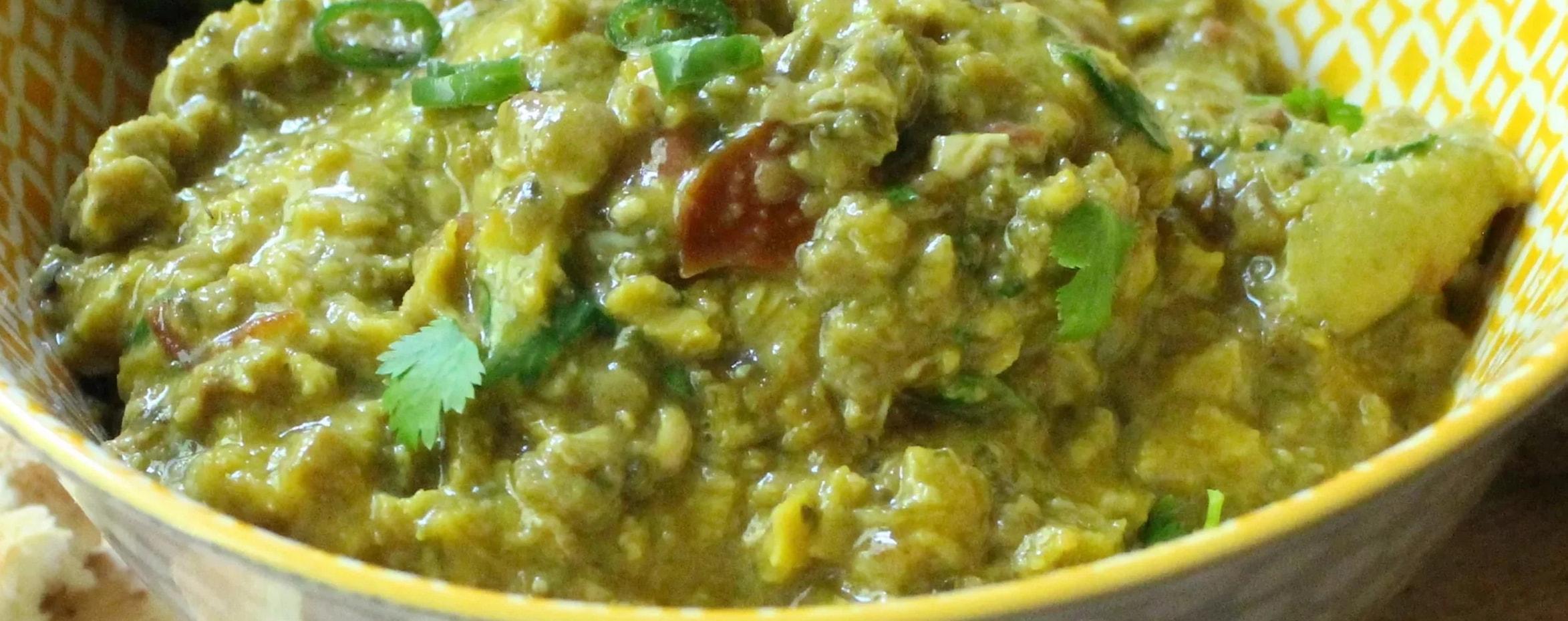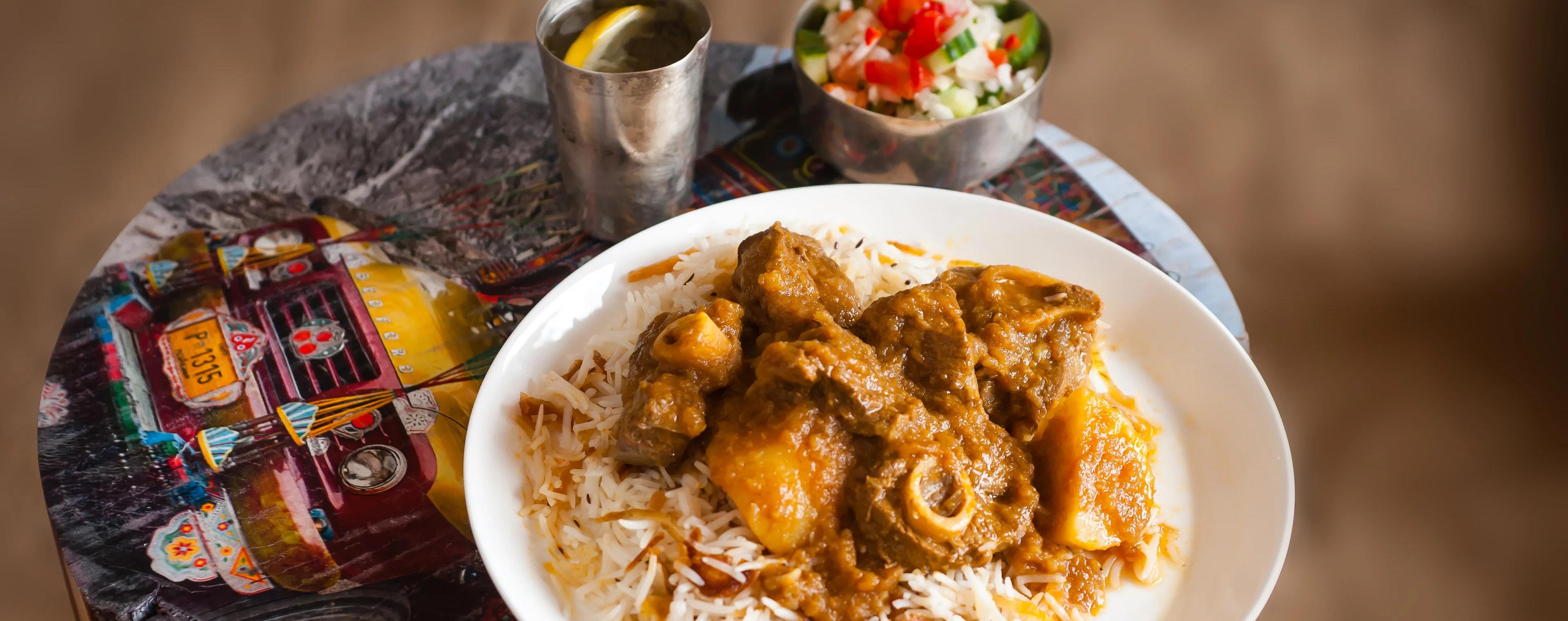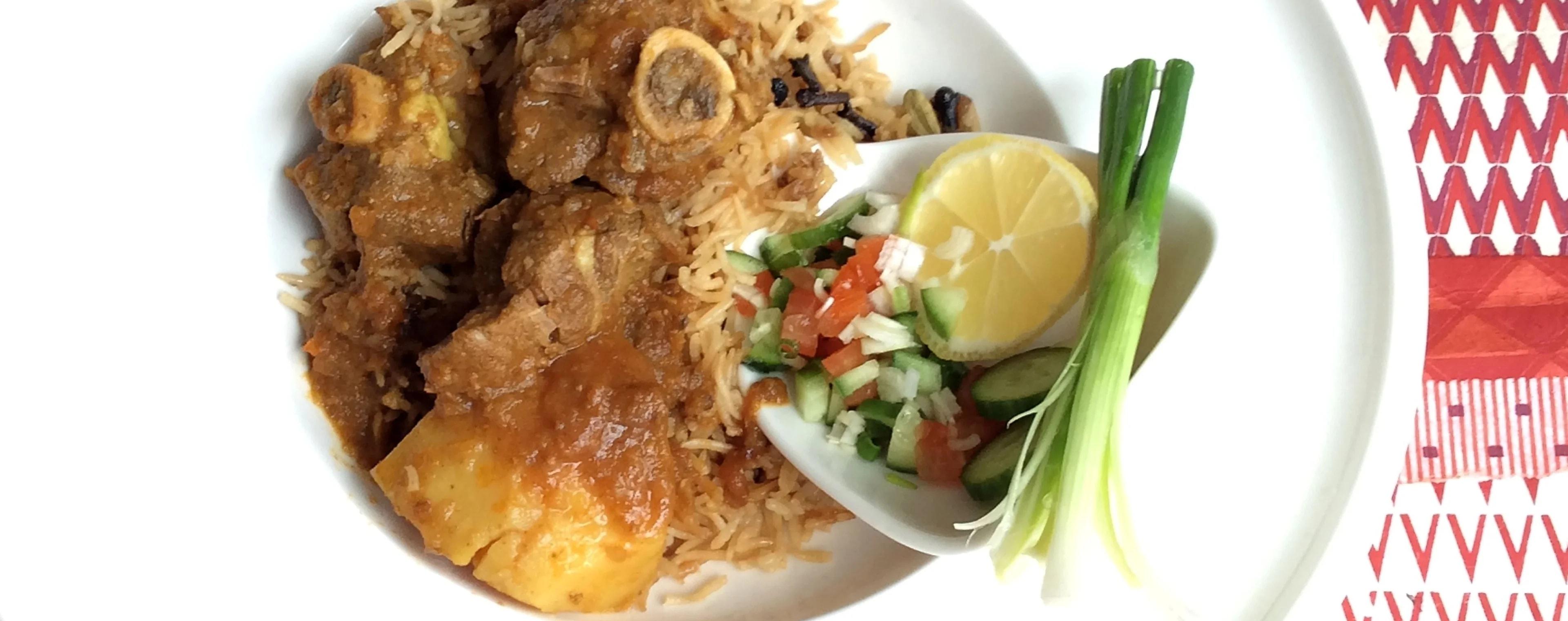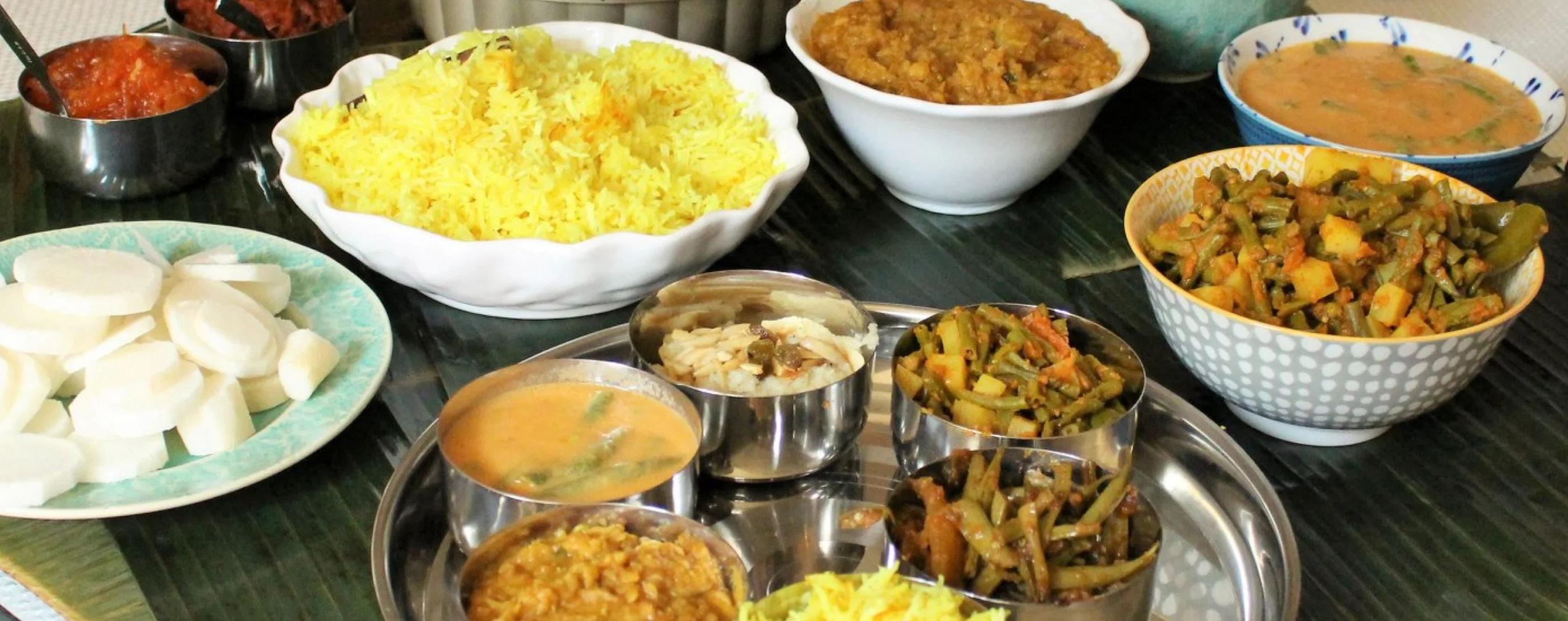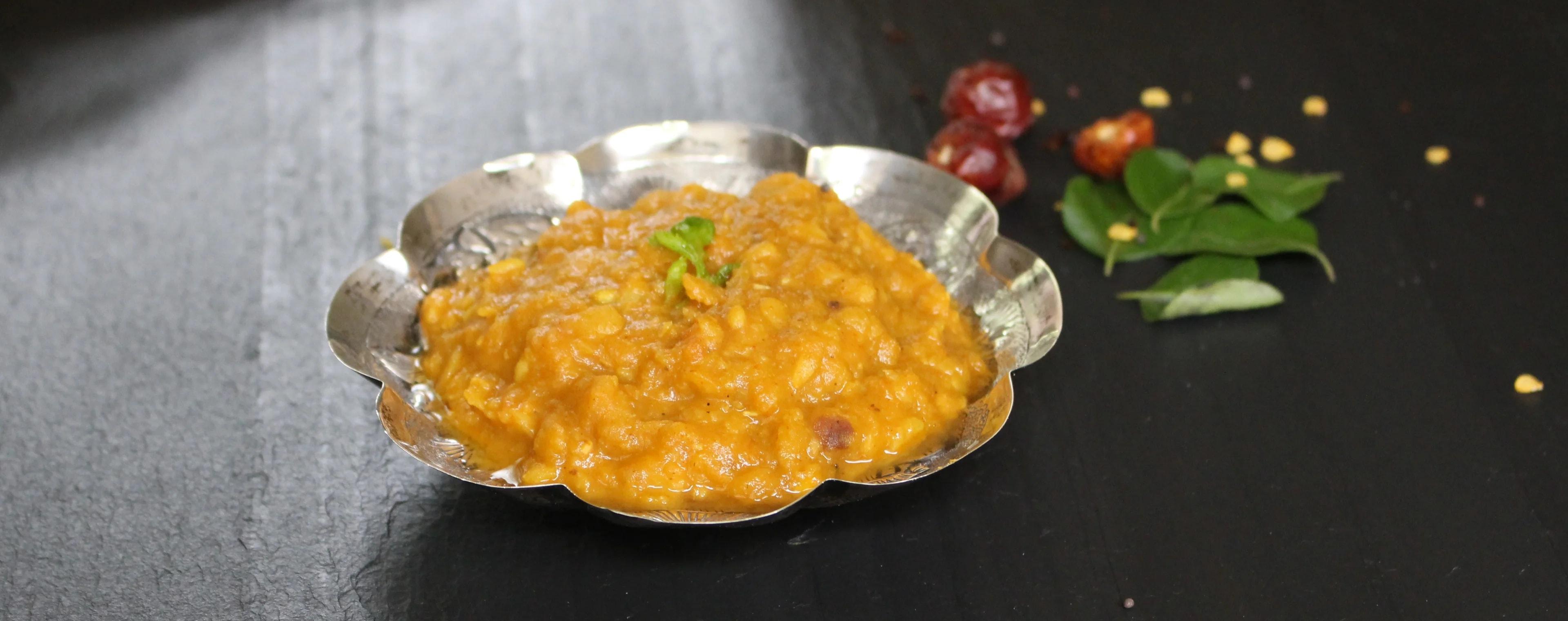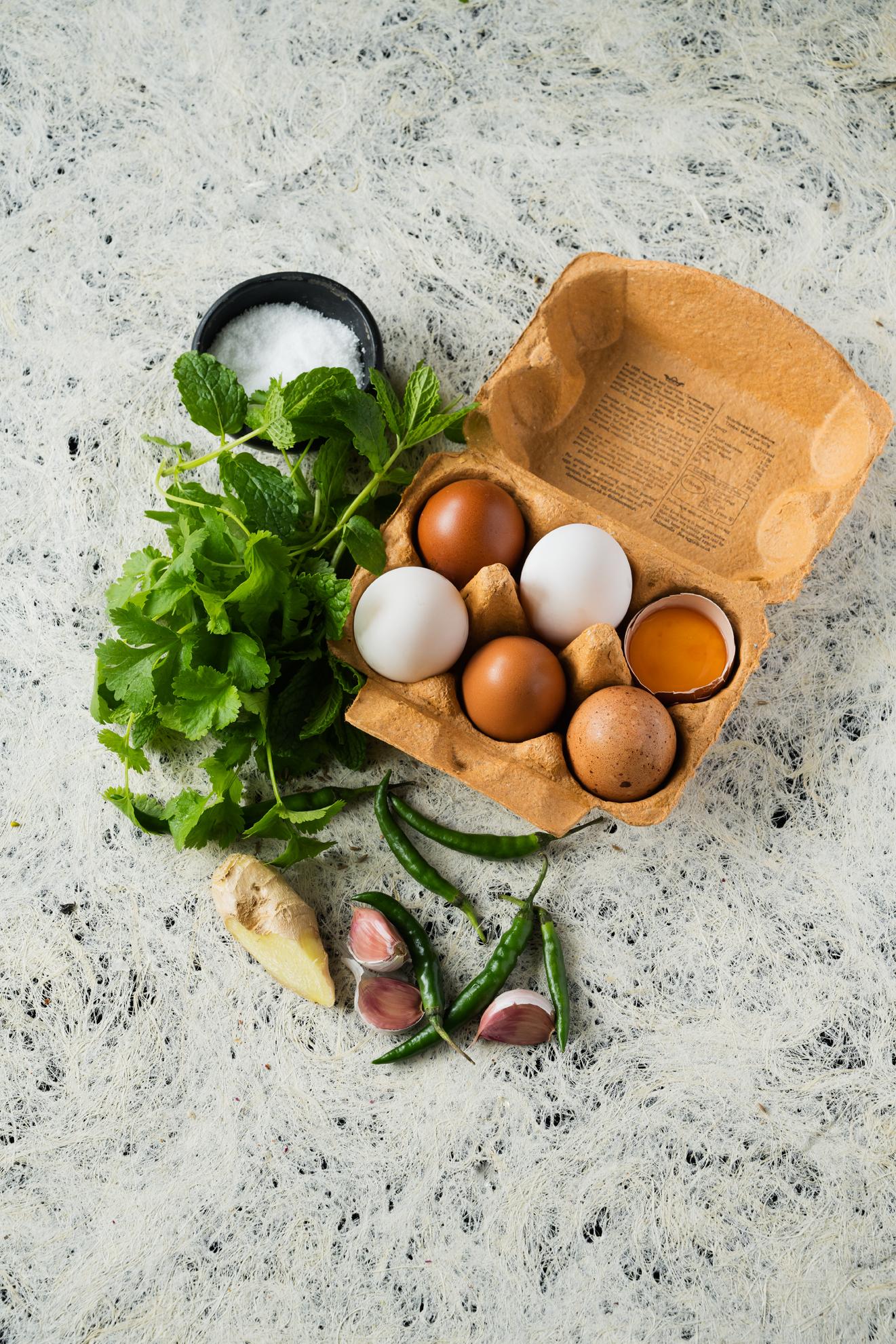

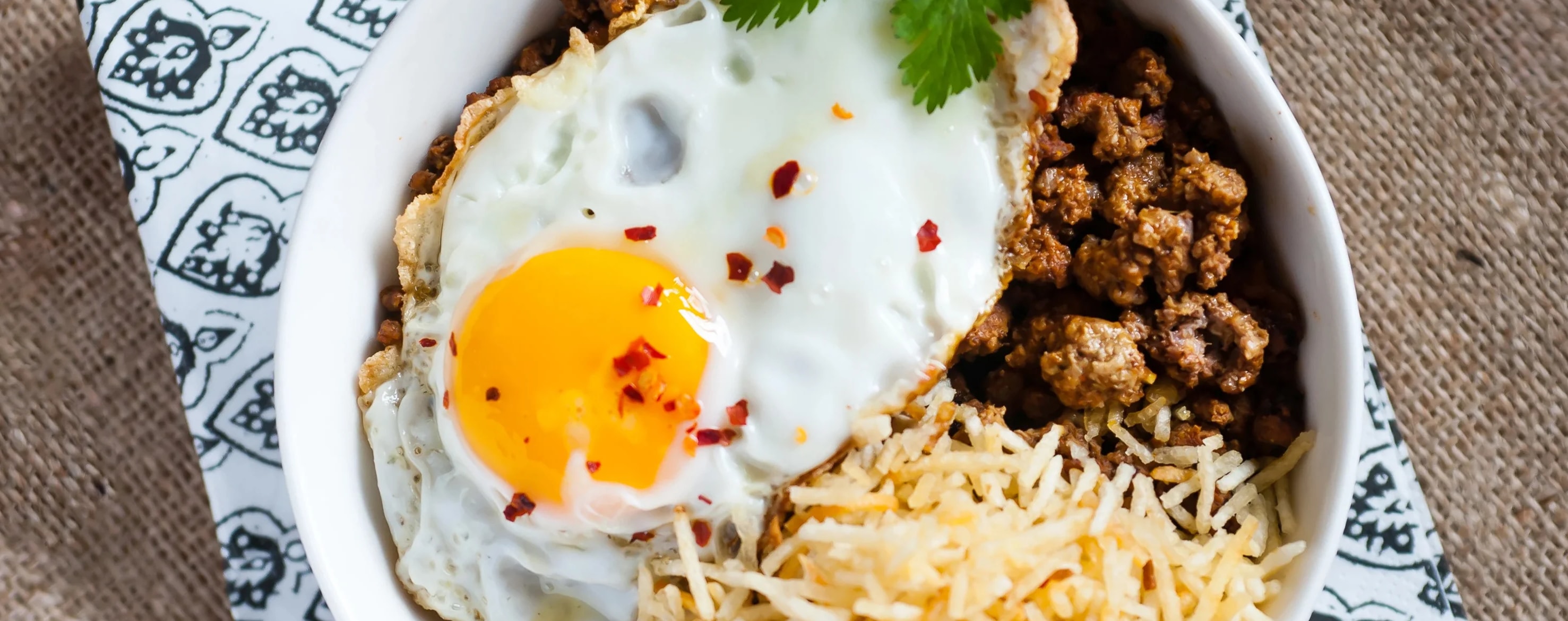
A typical Sunday brunch—when not serving the ubiquitous dhansak for lunch—was usually a choice of a few recipes. With eggs being a must-have for brunch like anywhere else in the world, we picked akuri, the most popular dish that every family prepared differently. When ready to serve, a mixture of finely chopped coriander, fried onions, tomatoes, and green chillies is cooked down to a pulp and then scrambled with eggs.
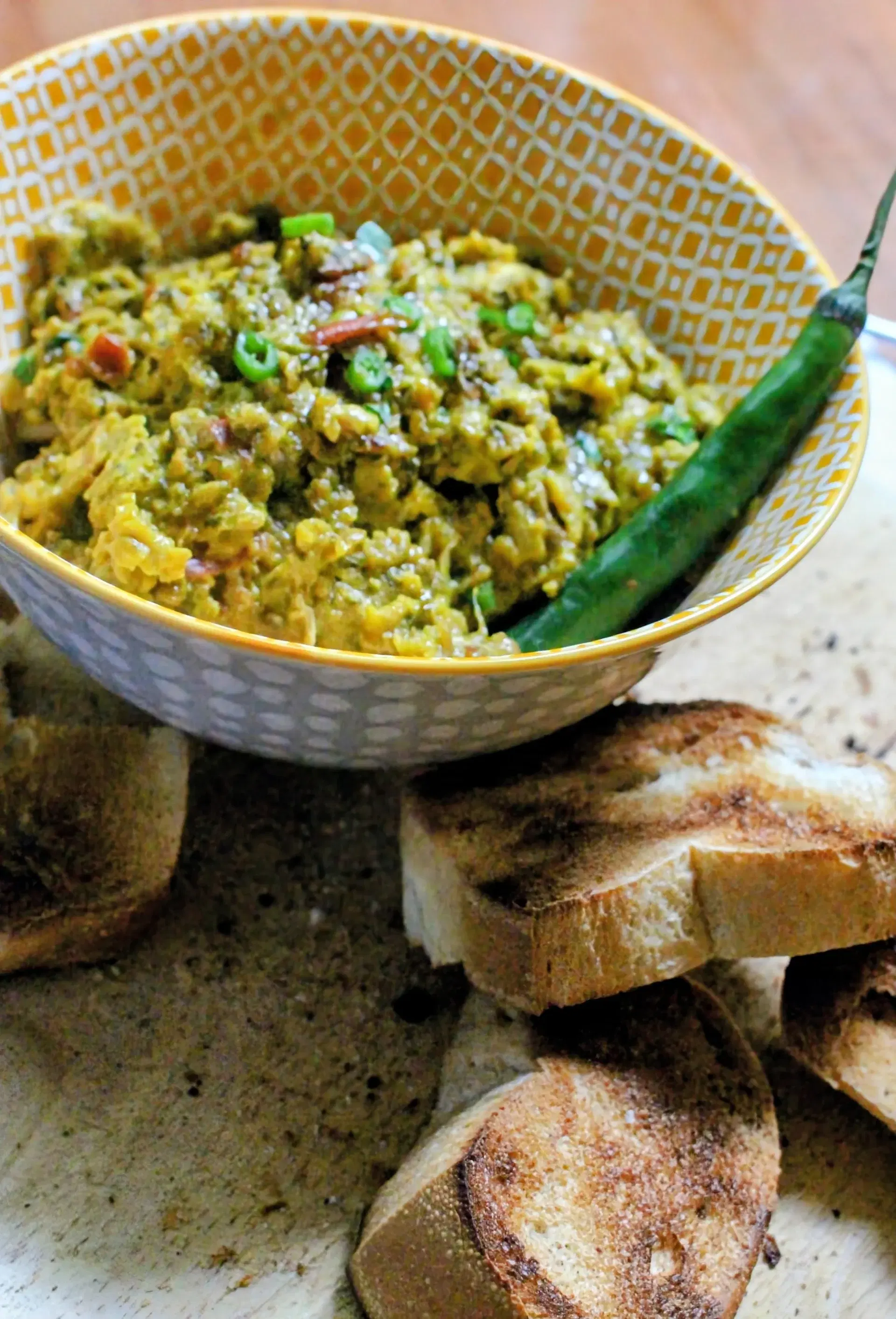
Another essential ingredient for a heartier brunch is meat; specifically, kheemo, a dish made with ground meat, is cooked with various spices, tomato, onions, and other ingredients before being served with sali or diced potatoes and occasionally even green peas. A classic kheemo is khatto mittho—sour and sweet; therefore, a pinch of sugar and a splash of vinegar are added. Fried eggs are served as an accompaniment for those who are die-hard egg enthusiasts. The concept reminds me of steak and eggs at diners that do breakfast.
Then there's the uniquely Parsi dish, aleti paleti, which literally means 'topsy-turvy' or 'higgledy-piggledy. ' The dish is made from chicken gizzards and liver, and it often comes with chopped potatoes and boiled egg cubes. For those who dislike gizzards, there was a pan of sizzling chicken liver, masala ni kaleji.
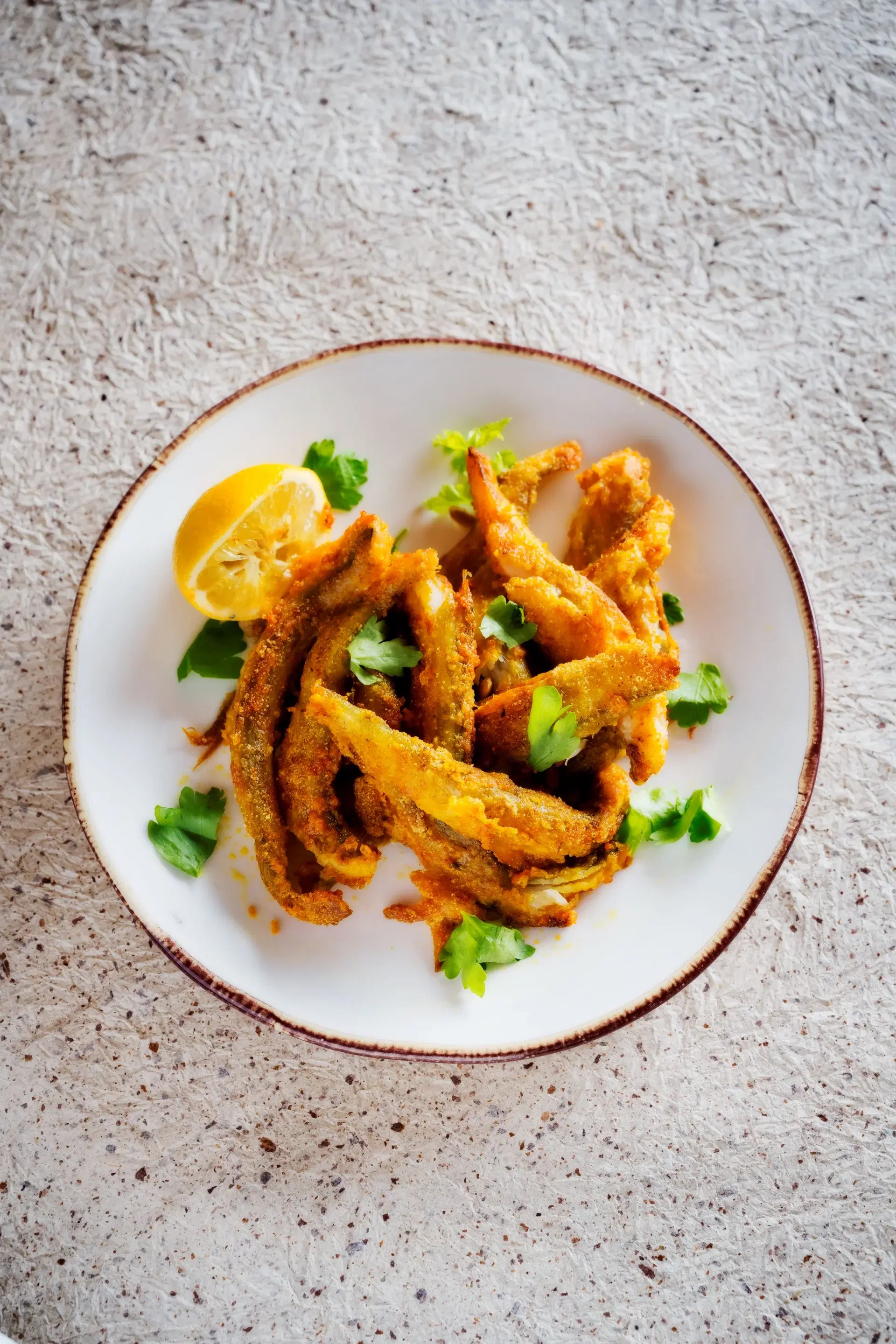
When in season, freshly fried Bombay ducks were provided as a treat for those of us who enjoy them, but never without a squeeze of lime, a fresh bunch of coriander (cilantro), and warm, fresh, crusty bread.
It seems Parsis were averse to salads, as there was never a trace of them at any buffet table, but we did serve beer and Parsi choi, a strong brew of black tea fragrant with fresh mint and lemon grass, whole milk and sugar. While growing up in Karachi, we added fresh waffles to the menu, slathered with butter and doused with golden syrup, to our list of classic dishes.
Because the meal was a typical brunch in many Parsi homes at the time, the underlying message could have been that it was prepared with the most basic items that were economical and easily available. We had large families and lived in a commune where friends and neighbours were treated as family, and the front doors were always open for everyone to join. The matriarch was responsible for determining when to open and close the doors, as formality was not a priority. One home stood out from the others in terms of generosity of heart rather than affordability. All of the foods were designed to stretch further. Nothing was ever wasted, and visitors were always warmly welcomed. Bread, butter, and tea were inexpensive and plentiful enough to feed everyone and keep them full. Nobody ever complained about running out of food or going hungry. The young and old shared a sense of friendship. There were unspoken rules that were binding. One never felt guilty about their financial situation. I imagine one lived in a different era that has sadly escaped us and our future generations.