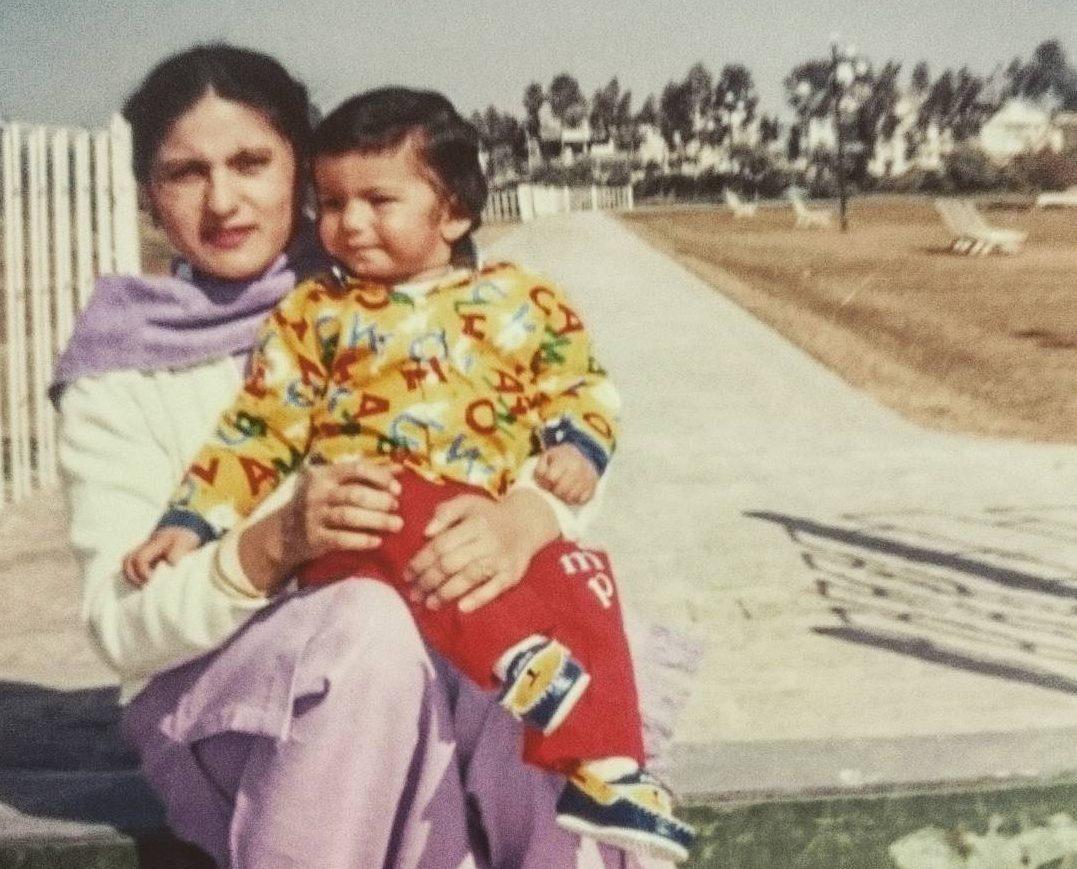

I was eight years old when my mother got into a car accident that left her back fractured in two places.
It was the kind of accident that changes everything. What followed was months of hospitals, rehab, physical therapy, and a burden on a woman who was stretched beyond her capacity. Over the subsequent months, pain became part of the fabric of our lives. As a single mother, she was unable to work and the guilt she faced was shield from my adolescent mind.
And then, one day, a check came.
This was a settlement my mom spoke of with a hope that clanged to every syllable when she spoke of it. This check was something meant to compensate for the damage, though nothing ever really could. But my mother didn’t treat it like compensation. She treated it like permission.
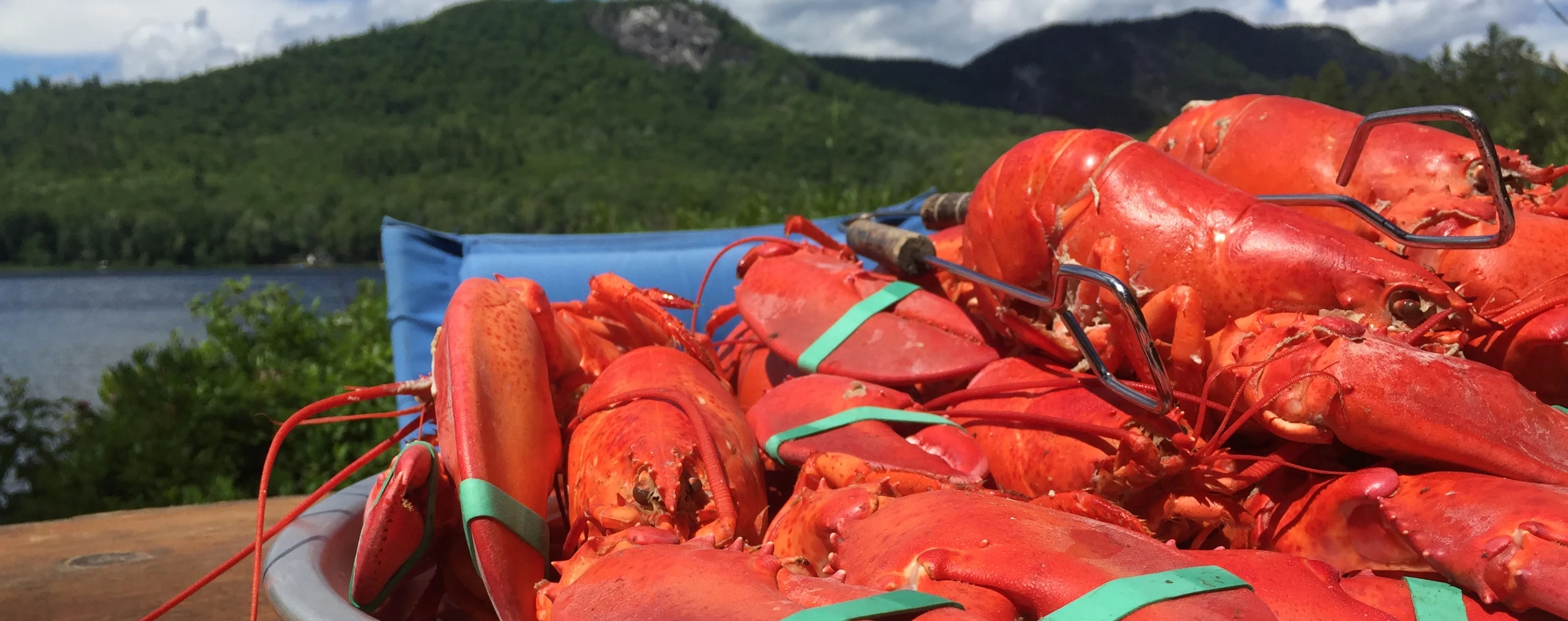
She went to the local grocery store and bought lobsters.
Lobster was my mother’s favorite food. It wasn’t just food to her, it was the thing she chose when life and her pocketbook gave her the permission to celebrate. It was also the first time I understood that food could mean something more than survival and nourishment. I realized that food can also come from a moment that began with pain.
I remember standing in the kitchen, watching her. The excitement in her voice was met with the discomfort of normal movement as she melted butter slowly and carefully. There was something slow and methodical about it. The way she cracked open the shells, pulling the meat out with nervous hands. I remember her taking all of the meat into a bowl and discarding the shells. It somehow smelled like summer to me.
And then she took a bite.
She closed her eyes.
And that, that is the moment I remember the most. Not the lobster. Not the butter. But her face. The way she let herself feel it. Not just taste it, feel it. Like for a brief moment, the pain stepped aside and made room for something else, joy.
That was the first time I understood that food could transcend pain and bring you into a state of deep emotion. That food could interrupt suffering and be a form of escape.
New England lobster is sweet. Not just in flavor, but in the way it lingers. It’s delicate, almost gentle. It’s texture is slightly soft, stringy and chewy in a way that just makes sense. New England lobster just exists in this quiet, perfect balance but especially when dipped in melted butter.
But lobster carries something different for me. Because every time I taste it now, there’s something else underneath. Something sharper. Something unresolved. Something deeply bitter that distorts the sweetness.
Sweetness, for me, has always carried grief. From the jelly donuts I loved so much while standing in line at a food bank, to the flavor of black raspberry ice cream that reminds me moment after my mother got the “news.”
Years later, when my mother turned seventy, I took her out to dinner.
By then, cancer had already begun to take pieces of her. It had stripped away things slowly, methodically. Her hair was gone. She wore a wig that never quite sat right, but she carried herself with the same grace and dignity she always had.
I wanted that night to be one she would not forget.
So I called a chef I knew and asked him for something that wasn’t even on the menu. A five-pound baked stuffed lobster. I wanted this to be over the top and excessive. The kind of dish that feels almost ridiculous until it hits the table and people are shocked.
He didn’t hesitate.
That’s the thing about hospitality. At its best, it isn’t transactional, it’s about recognizing a moment and deciding it deserves more.
When that lobster came out, it wasn’t just food, it was shock. She had never seen a lobster so big in her entire life. It was a recognition of her, of what she loved, of what little time we might have left to give her something extraordinary.
She smiled.
And for a moment she wasn’t the mother with cancer, she was the child again. The child who was being taken care of and celebrated. In that moment, I saw the woman standing in the kitchen years ago, closing her eyes over melted butter and lobster meat, choosing pleasure in the face of pain.
That’s what food can do.
It doesn’t fix anything. But it can hold something. It can preserve a version of a person long after everything else has started to fall apart.
The last time I made lobster for her, wasn’t about celebration, it was about what grief takes from us.
She was bedridden. The cancer had taken her sight by then. It took away her independence. It took away the small rituals that used to define her days. She couldn’t go to the store, couldn’t cook, and couldn’t even see the food she loved.
So I made it for her one last time.
Five pounds of lobster, shelled, meat in a separate bowl, methodically melted butter, just the way I learned when I was 8. The same way she used to do it. I tried to recreate something that couldn’t really be recreated because moments become memories before we realize their importance.
And then I sat beside her in the hospital bed and fed her.
Piece by piece.
Her eyes were closed again.
But this time, it wasn’t about savoring the moment. It wasn’t about escape. It was something else entirely. Something quieter. Something closer to the end than the beginning.
And I realized, sitting there, that the roles had reversed in a way I wasn’t ready for.
The person who taught me that food could bring pleasure was now relying on me to give it back to her.
And there was nothing I could do beyond that.
I couldn’t take away the pain. I couldn’t change what was happening. All I could do was offer her small moments of sweetness, knowing full well they existed alongside something much darker.
That’s the thing about lobster for me now.
It will always be sweet.
But it will never be just sweet.
Because every bite carries all of it. The 8-year-old Keith. The accident. The 70th birthday. The wig. The bed. The silence. The act of feeding someone who once fed you.
Food holds memory in a way nothing else does.
It doesn’t just remind you; it recreates moments for you. It forces you to remember. It brings people back, not as they were at the end, but as they were in the moments that mattered. The ones you didn’t realize were defining until much later.
And that’s why it’s so important to tell these stories.
Because food is one of the last places where grief and love can exist at the same time without contradiction. Where something can taste beautiful and devastating in the same breath. Where sweetness doesn’t erase pain, but sits beside it, giving it shape.
If we don’t tell these stories, we lose more than recipes, we lose the context and meaning to our moments.
We lose the people.
And for me, I’m not willing to let that happen.
Not when something as simple as lobster can still bring her back, even if only for a moment. Even if it tastes both sweet and bitter.